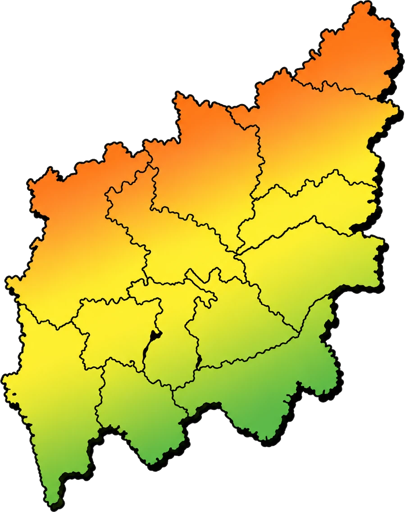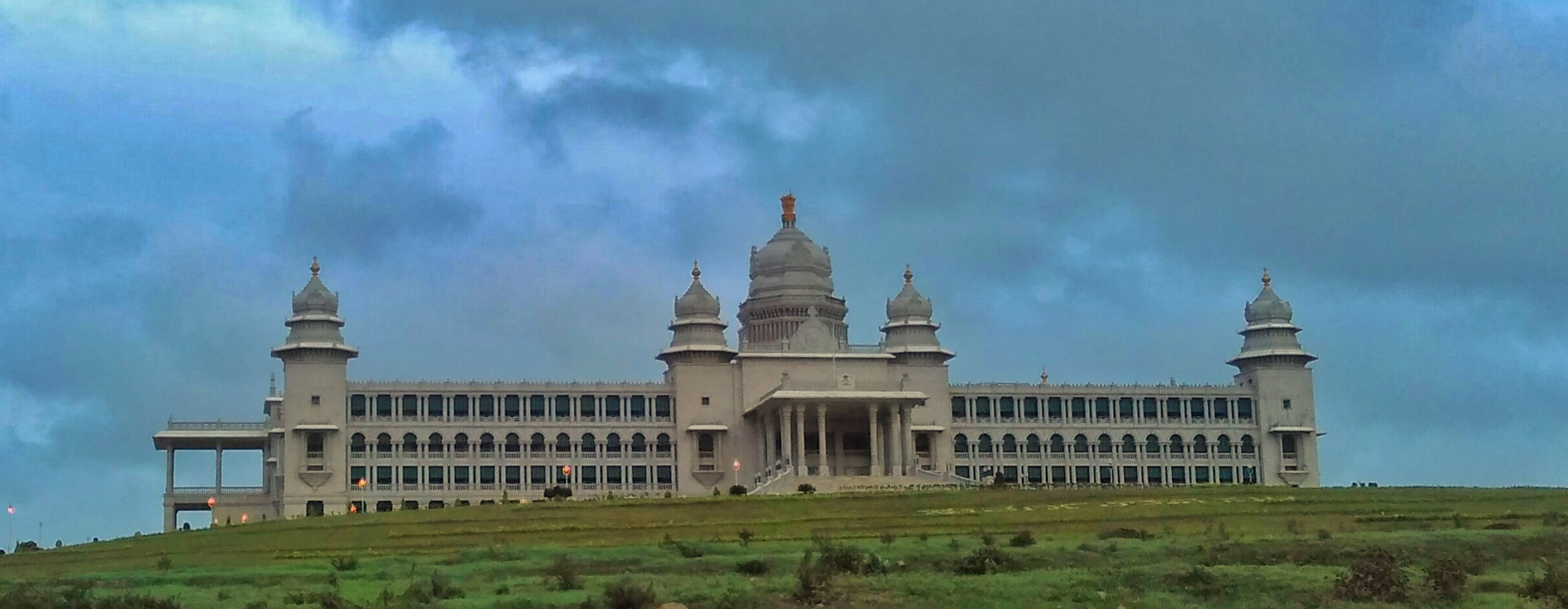
ನೀರು, 371(ಜೆ), ಉದ್ಯೋಗ, ರೈತ — ವಾಸ್ತವಾಂಶ ಆಧಾರಿತ.Water, 371(J), jobs, farmers — fact-anchored.
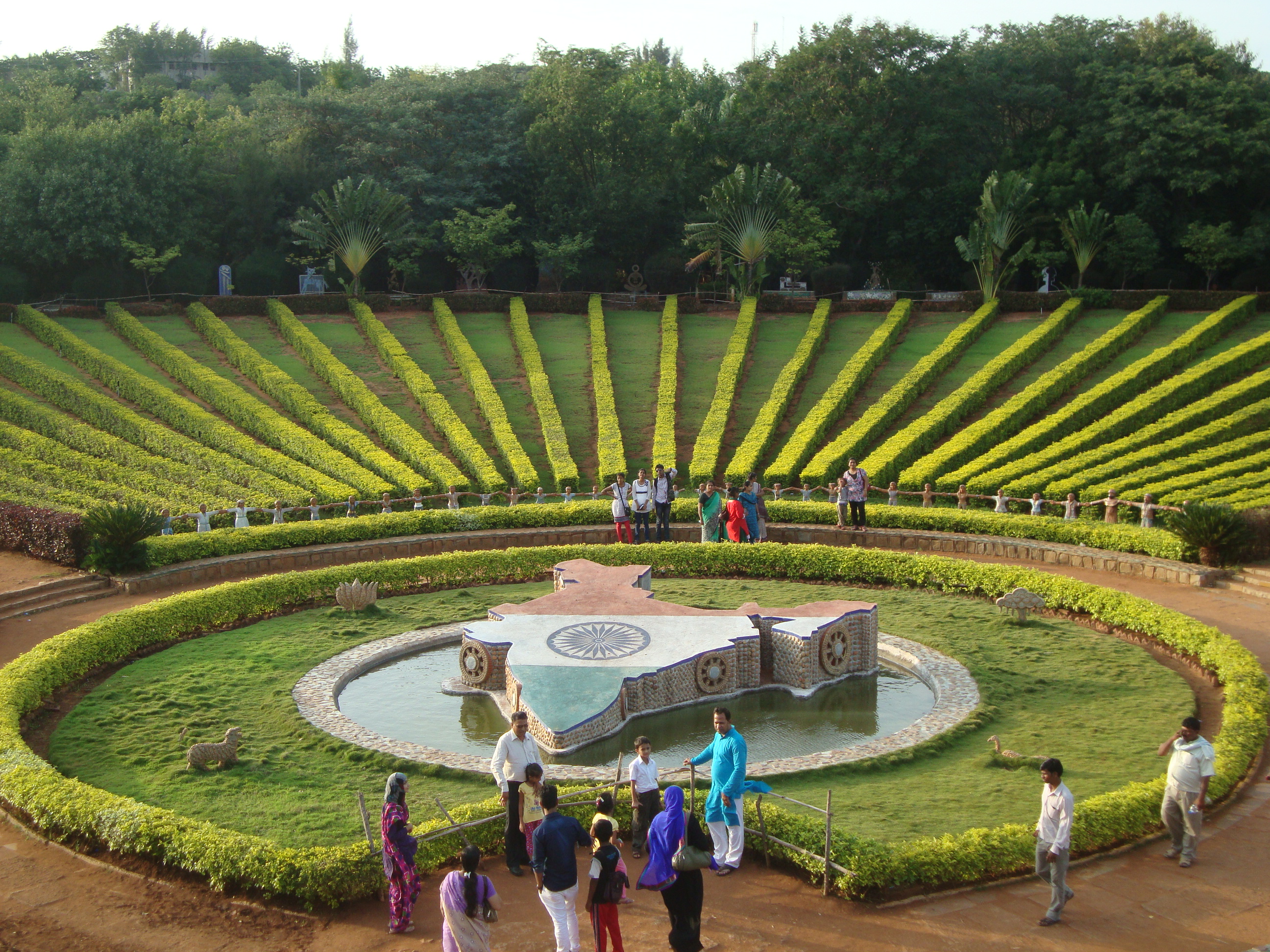
ಉತ್ತರ ಕರ್ನಾಟಕ ನದಿಗಳಿಂದ ಸಮೃದ್ಧವಾಗಿದೆ — ಕೃಷ್ಣಾ ಮತ್ತು ಅದರ ಉಪನದಿಗಳು (ಘಟಪ್ರಭಾ, ಮಲಪ್ರಭಾ, ಭೀಮಾ, ದೋಣಿ) ಹಾಗೂ ಮಹಾದಾಯಿ — ಆದರೂ ಇಲ್ಲಿನ ಜಿಲ್ಲೆಗಳು ಪದೇಪದೇ ಕುಡಿಯುವ ನೀರಿನ ರೇಷನಿಂಗ್ ಮತ್ತು ವಿಶಾಲವಾದ ಬರಪೀಡಿತ ಹೊಲಗಳನ್ನು ಎದುರಿಸುತ್ತಿವೆ. ಮುಖ್ಯ ಸಮಸ್ಯೆ ಇದು: ರಾಷ್ಟ್ರೀಯ ನ್ಯಾಯಮಂಡಳಿಗಳು ಕರ್ನಾಟಕಕ್ಕೆ ಕಾನೂನುಬದ್ಧವಾಗಿ ಹಂಚಿಕೆ ಮಾಡಿದ ನೀರು, ತಲುಪಿಸುವ ಯೋಜನೆಗಳು ಸ್ಥಗಿತಗೊಂಡಿರುವ ಕಾರಣ ಬಳಕೆಗೆ ಬರುತ್ತಿಲ್ಲ. ಕೃಷ್ಣಾ ಜಲ ವಿವಾದ ನ್ಯಾಯಮಂಡಳಿ-II (2010) ಕರ್ನಾಟಕಕ್ಕೆ 911 ಟಿಎಂಸಿ ನೀರನ್ನು ಹಂಚಿಕೆ ಮಾಡಿ, ಆಲಮಟ್ಟಿ ಜಲಾಶಯವನ್ನು 519.6 ಮೀ.ನಿಂದ 524.256 ಮೀ.ಗೆ ಎತ್ತರಿಸಲು ಅನುಮತಿ ನೀಡಿತು, ಆದರೆ ಕೇಂದ್ರ ಸರ್ಕಾರ ಈ ತೀರ್ಪನ್ನು ಅಧಿಕೃತ ಗೆಜೆಟ್ನಲ್ಲಿ ಅಧಿಸೂಚನೆಗೊಳಿಸಿಲ್ಲ — ಇದರಿಂದ ಮೇಲ್ಮಟ್ಟದ ಕೃಷ್ಣಾ ಯೋಜನೆ (ಯುಕೆಪಿ) ಹಂತ-III ತಡೆಗೊಂಡಿದೆ. ಮಹಾದಾಯಿ ನ್ಯಾಯಮಂಡಳಿ (2018) ಕರ್ನಾಟಕಕ್ಕೆ 13.42 ಟಿಎಂಸಿ ನೀರು ಹಂಚಿಕೆ ಮಾಡಿತು (2020ರ ಫೆಬ್ರವರಿಯಲ್ಲಿ ಅಧಿಸೂಚನೆ), ಆದರೆ ಮಲಪ್ರಭಾ ಜಲಾನಯನಕ್ಕೆ ಕಳಸಾ-ಬಂಡೂರಿ ಕುಡಿಯುವ ನೀರಿನ ತಿರುವು ಯೋಜನೆ ಬಾಕಿ ಇರುವ ಅರಣ್ಯ/ವನ್ಯಜೀವಿ ಅನುಮತಿಗಳು ಮತ್ತು ಗೋವಾದ ಸುಪ್ರೀಂ ಕೋರ್ಟ್ ದಾವೆಗಳ ಎದುರು ನಿಂತಿದೆ.North Karnataka is rich in rivers — the Krishna and its tributaries (Ghataprabha, Malaprabha, Bhima, Doni) and the Mahadayi — yet its districts face repeated drinking-water rationing and vast drought-prone farmland. The cause is rarely natural shortage: it is water already legally awarded to Karnataka by national tribunals that cannot be used because the delivering projects are stalled. The Krishna Water Disputes Tribunal-II (2010) awarded Karnataka 911 TMC and permitted raising the Almatti dam from 519.6 m to 524.256 m, but the Central Government has still not notified that award in the official Gazette — blocking the Upper Krishna Project Phase-III, which also remains stuck on land acquisition and rehabilitation. The Mahadayi Tribunal (2018) awarded Karnataka 13.42 TMC and was notified in February 2020, but the Kalasa-Banduri drinking-water diversion to the Malaprabha basin (serving Belagavi, Dharwad, Hubballi, Bagalkot, Gadag) is held up by pending forest and wildlife clearances and Goa's Supreme Court litigation. The Kittur Kalyan Karnataka Sena holds that North Karnataka's water rights are settled in principle but stalled in practice — a form of the step-motherly neglect the party was founded to oppose — and demands implementation of awards already made, within the law and with dignity for displaced families.
ನಾವು ಎಲ್ಲಿ ನಿಂತಿದ್ದೇವೆ ನೋಡಿSee where we stand →ಸಂವಿಧಾನದ ಕಲಂ 371(ಜೆ) ಕಲ್ಯಾಣ-ಕರ್ನಾಟಕದ (ಹಳೆಯ ಹೈದರಾಬಾದ್-ಕರ್ನಾಟಕ ಭಾಗದ) ಏಳು ಜಿಲ್ಲೆಗಳಿಗೆ ವಿಶೇಷ ಸಂವಿಧಾನಿಕ ರಕ್ಷಣೆ ನೀಡುತ್ತದೆ — ಒಂದು ಪ್ರತ್ಯೇಕ ಅಭಿವೃದ್ಧಿ ಮಂಡಳಿ, ಸಮಾನ ಅನುದಾನ ಹಂಚಿಕೆ, ಮತ್ತು ಶಿಕ್ಷಣ ಹಾಗೂ ಸರ್ಕಾರಿ ಉದ್ಯೋಗಗಳಲ್ಲಿ 70% ರವರೆಗೆ ಸ್ಥಳೀಯ ಮೀಸಲಾತಿ. ಆದರೆ ಕಿತ್ತೂರು-ಕರ್ನಾಟಕದ ಏಳು ಜಿಲ್ಲೆಗಳಿಗೆ (ಹಳೆಯ ಬಾಂಬೆ/ಮುಂಬೈ-ಕರ್ನಾಟಕ ಭಾಗ: ಬೆಳಗಾವಿ, ಧಾರವಾಡ, ವಿಜಯಪುರ, ಬಾಗಲಕೋಟೆ, ಗದಗ, ಹಾವೇರಿ ಮತ್ತು ಉತ್ತರ ಕನ್ನಡ) ಇದರಲ್ಲಿ ಯಾವುದೂ ಸಿಗುವುದಿಲ್ಲ — ಸರ್ಕಾರದ್ದೇ ಆದ ಡಾ. ಡಿ.ಎಂ. ನಂಜುಂಡಪ್ಪ ಸಮಿತಿ (2002) ಇಡೀ ಉತ್ತರ ಕರ್ನಾಟಕದಾದ್ಯಂತ ತೀವ್ರ, ನಿರಂತರ ಹಿಂದುಳಿದಿರುವಿಕೆಯನ್ನು ಗುರುತಿಸಿದ್ದರೂ ಸಹ. ಒಂದು ಹೊಸ ಸಂವಿಧಾನಿಕ ತಿದ್ದುಪಡಿಯ ಮೂಲಕ ಇದೇ ಸಂವಿಧಾನಿಕ ಗುರಾಣಿ — ಕಲಂ 371(ಜೆ) — ಯನ್ನು ಕಿತ್ತೂರು-ಕರ್ನಾಟಕ ಜಿಲ್ಲೆಗಳಿಗೂ ವಿಸ್ತರಿಸಬೇಕು, ಬಹುಕಾಲದಿಂದ ಭರವಸೆ ಕೊಟ್ಟಿರುವ ಪ್ರತ್ಯೇಕ ಉತ್ತರ-ಕರ್ನಾಟಕ ಸಚಿವಾಲಯ ಸ್ಥಾಪಿಸಬೇಕು, ಮತ್ತು ನಂಜುಂಡಪ್ಪ ವಿಶೇಷ ಅಭಿವೃದ್ಧಿ ಯೋಜನೆಯನ್ನು ಸಂಪೂರ್ಣವಾಗಿ ಜಾರಿ ಮಾಡಬೇಕು ಎಂದು ಕಿತ್ತೂರು ಕಲ್ಯಾಣ ಕರ್ನಾಟಕ ಸೇನೆ ಆಗ್ರಹಿಸುತ್ತದೆ. ನಮ್ಮ ನಿಲುವು ಸರಳ: ಕರ್ನಾಟಕದ ಒಂದು ಭಾಗಕ್ಕೆ ಸಂವಿಧಾನಿಕ ಖಾತರಿ ಇರುವಾಗ, ಅಷ್ಟೇ ಹಿಂದುಳಿದ ಪಕ್ಕದ ಭಾಗವನ್ನು ಕೇವಲ ಸದ್ಭಾವನೆಯ ಮೇಲೆ ಅವಲಂಬಿಸುವಂತೆ ಬಿಡಲಾಗದು. ಸಮಾನ ಹಿಂದುಳಿದಿರುವಿಕೆಗೆ ಸಮಾನ ರಕ್ಷಣೆ ಸಿಗಲೇಬೇಕು.Article 371(J) of the Constitution gives the seven districts of Kalyana-Karnataka (the old Hyderabad-Karnataka region) special constitutional protection — a dedicated development board, equitable fund allocation, and up to 70% local reservation in education and government jobs. The seven Kittur-Karnataka districts (the old Bombay/Mumbai-Karnataka region: Belagavi, Dharwad, Vijayapura, Bagalkot, Gadag, Haveri and Uttara Kannada) get none of this — even though the Government's own Dr. D.M. Nanjundappa Committee (2002) found severe, persistent backwardness across the whole of North Karnataka. The Kittur Kalyan Karnataka Sena demands that the same constitutional shield, Article 371(J), be extended by a fresh constitutional amendment to the Kittur-Karnataka districts, that the long-promised separate North-Karnataka secretariat be established, and that the Nanjundappa Special Development Plan finally be implemented in full. Our position is simple: one region of Karnataka cannot have a constitutional guarantee while an equally backward neighbouring region is left to depend on goodwill alone. Equal backwardness deserves equal protection.
ನಾವು ಎಲ್ಲಿ ನಿಂತಿದ್ದೇವೆ ನೋಡಿSee where we stand →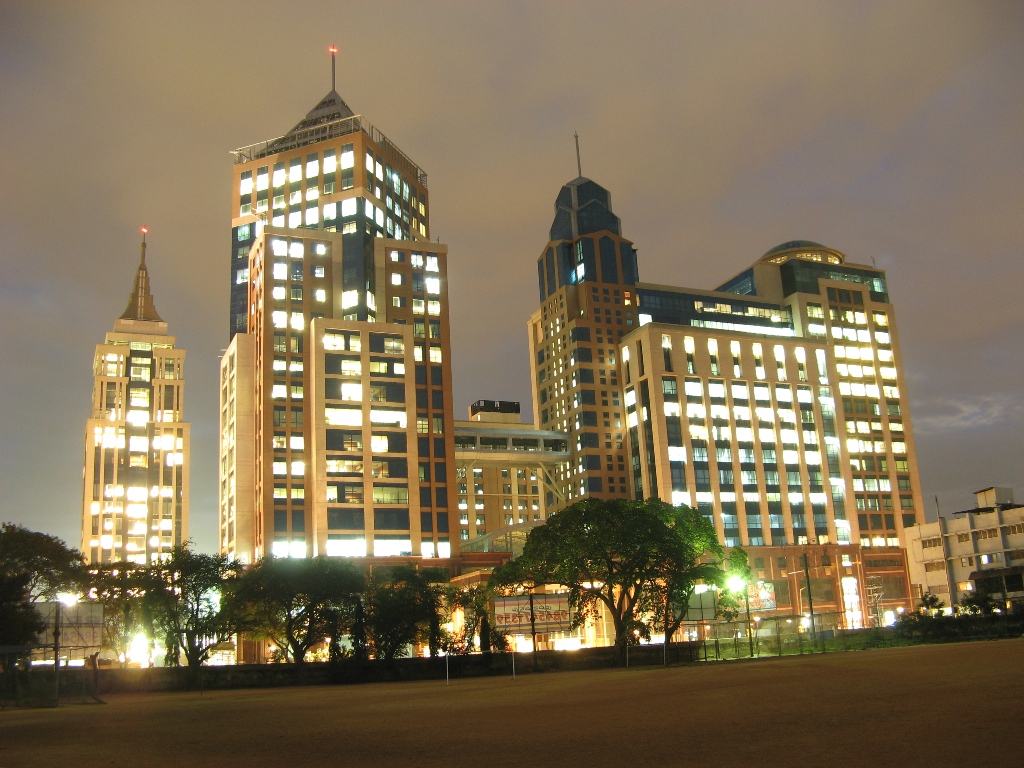
ಉತ್ತರ ಕರ್ನಾಟಕ ಅನ್ನ ಬೆಳೆಯುತ್ತದೆ, ಆದರೆ ಒಳ್ಳೆಯ ಕೆಲಸಗಳು ಬೆಂಗಳೂರಿನಲ್ಲಿ ಬೆಳೆಯುತ್ತಾವೆ. ಬೆಂಗಳೂರು ನಗರ ಜಿಲ್ಲೆ ಒಂದೇ ಕರ್ನಾಟಕದ ಇಡೀ ಆರ್ಥಿಕತೆಯ ಸುಮಾರು 37-39% ಉತ್ಪಾದಿಸುತ್ತದೆ ಮತ್ತು ರಾಜ್ಯದ IT ಚಟುವಟಿಕೆಯ 90%ಕ್ಕಿಂತ ಹೆಚ್ಚು ಹಿಡಿದಿಟ್ಟುಕೊಂಡಿದೆ; ಬೇರೆ ಯಾವ ಜಿಲ್ಲೆಯೂ 10% ಸಹ ಕೊಡುಗೆ ಕೊಡುತ್ತಿಲ್ಲ. ಬೆಂಗಳೂರಿನ ಒಬ್ಬ ವ್ಯಕ್ತಿ ಸರಾಸರಿಯಾಗಿ ಕಲಬುರಗಿಯ ಒಬ್ಬ ವ್ಯಕ್ತಿಗಿಂತ ಸುಮಾರು ಐದು ಪಟ್ಟು ಹೆಚ್ಚು ಆದಾಯ ಗಳಿಸುತ್ತಾನೆ (ತಲಾ ಆದಾಯ ~ರೂ 6.2 ಲಕ್ಷ ಮತ್ತು ~ರೂ 1.25 ಲಕ್ಷ). ಇದರ ಫಲಿತಾಂಶ ಬಲವಂತದ ವಲಸೆ: 2011ರ ಜನಗಣತಿ ಪ್ರಕಾರ ಬೆಂಗಳೂರಿಗೆ ಬಂದ ವಲಸಿಗರಲ್ಲಿ ಸುಮಾರು 64% ಮಂದಿ ಕರ್ನಾಟಕದ ಒಳಗಿನಿಂದಲೇ ಬಂದವರು, ಮತ್ತು ರಾಯಚೂರು, ಕಲಬುರಗಿಯಂತಹ ಕೃಷಿ-ಆಧಾರಿತ ಉತ್ತರ-ಕರ್ನಾಟಕ ಜಿಲ್ಲೆಗಳಿಂದ ಹೊರಹೋಗುವಿಕೆ ದಾಖಲಾಗಿದೆ. ವಲಸೆ ಹೋದವರೂ ಕೂಡ ಬಹಳಸಲ ಮುಂದೆ ಬರುವುದಿಲ್ಲ — ರಾಯಚೂರಿನ ಒಂದು ಕ್ಷೇತ್ರ ಅಧ್ಯಯನದ ಪ್ರಕಾರ ತರಬೇತಿ ಪಡೆದ ಯುವಕರನ್ನು ಬೆಂಗಳೂರಿನಲ್ಲಿ ಬರೀ ತಿಂಗಳಿಗೆ ರೂ 8,000-10,000ಕ್ಕೆ ನೇಮಿಸಲಾಗಿತ್ತು, ರೂ 4,500 ಬಾಡಿಗೆ ಕಟ್ಟಿ, ಏನೂ ಉಳಿತಾಯ ಮಾಡದೆ ಊರಿಗೆ ಮರಳಿದರು. ಇನ್ನೊಂದೆಡೆ ಕರ್ನಾಟಕದ ಎಂಜಿನಿಯರಿಂಗ್ ಪದವೀಧರರಲ್ಲಿ ಬರೀ ~17% ಮಂದಿ ಉದ್ಯೋಗಯೋಗ್ಯರು, 47,000ಕ್ಕೂ ಹೆಚ್ಚು ನಿರುದ್ಯೋಗಿ ಎಂಜಿನಿಯರಿಂಗ್ ಪದವೀಧರರು ಯುವ ನಿಧಿ ಅಡಿಯಲ್ಲಿ ನೋಂದಾಯಿಸಿಕೊಂಡಿದ್ದಾರೆ, ಮತ್ತು ಈ ಭಾಗಕ್ಕೆ ಮೀಸಲಾದ ಹಣ (KKRDB, ನಂಜುಂಡಪ್ಪ ವಿಶೇಷ ಅಭಿವೃದ್ಧಿ ಯೋಜನೆ) ಖರ್ಚಾಗದೆ ಬಿದ್ದಿದೆ. ಕಿತ್ತೂರ ಕಲ್ಯಾಣ ಕರ್ನಾಟಕ ಸೇನೆಯ ನಿಲುವು: ವಲಸೆ ಒಂದು ಆಯ್ಕೆ ಆಗಿರಬೇಕು, ಎಂದಿಗೂ ಒತ್ತಾಯ ಆಗಬಾರದು. ನಾವು ಶಾಶ್ವತ ಉತ್ತರ-ಕರ್ನಾಟಕ ಉದ್ಯೋಗ ಆಯೋಗ, ಸ್ಥಳೀಯರಿಗೆ-ಮೊದಲ ಆದ್ಯತೆಯ ಉದ್ಯೋಗ ನೀತಿ, ಕಿತ್ತೂರ-ಕರ್ನಾಟಕ ಜಿಲ್ಲೆಗಳಿಗೆ ಆರ್ಟಿಕಲ್ 371(J)ರ ವಿಸ್ತರಣೆ, ಬೆಳೆ ಬೆಳೆಯುವ ಕಡೆಯೇ ಸಂಸ್ಕರಣಾ ಉದ್ಯಮ, ಮತ್ತು ದೂರದ ನಗರಕ್ಕೆ ಒನ್ವೇ ಬಸ್ ಟಿಕೆಟ್ ಅಲ್ಲ — ಮನೆಯ ಹತ್ತಿರವೇ ನಿಜವಾದ ಉದ್ಯೋಗದಲ್ಲಿ ಮುಗಿಯುವ ಕೌಶಲ್ಯ ತರಬೇತಿಯನ್ನು ಆಗ್ರಹಿಸುತ್ತೇವೆ.North Karnataka grows the food, but the good jobs grow in Bengaluru. Bengaluru Urban alone produces roughly 37-39% of Karnataka's entire economy and holds over 90% of the state's IT activity, while no other district contributes even 10%. A person in Bengaluru, on average, generates nearly five times the income of someone in Kalaburagi (per-capita income ~Rs 6.2 lakh vs ~Rs 1.25 lakh). The result is forced migration: as per the 2011 Census about 64% of migrants into Bengaluru came from within Karnataka, with a documented outflow from agrarian North-Karnataka districts like Raichur and Kalaburagi. Even those who migrate often do not get ahead — a Raichur field study found trained youth placed in Bengaluru on just Rs 8,000-10,000/month, paying Rs 4,500 in rent, and returning home with nothing saved. Meanwhile only ~17% of Karnataka's engineering graduates are employable, 47,000+ unemployed engineering graduates are registered under Yuva Nidhi, and money meant for the region (KKRDB, the Nanjundappa Special Development Plan) sits under-spent. The Kittur Kalyan Karnataka Sena's position: migration must be a choice, never a compulsion. We demand a permanent North-Karnataka Employment Commission, a local-first jobs policy, extension of Article 371(J) to the Kittur-Karnataka districts, processing industry built where the crops are, and skill training that ends in a real job near home — not a one-way bus ticket to a far city.
ನಾವು ಎಲ್ಲಿ ನಿಂತಿದ್ದೇವೆ ನೋಡಿSee where we stand →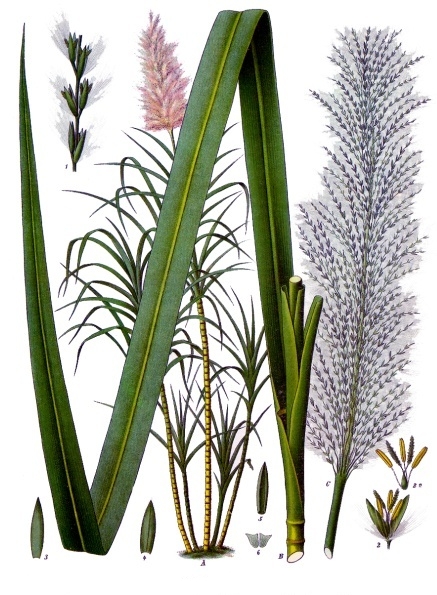
ಉತ್ತರ ಕರ್ನಾಟಕ — ರಾಜ್ಯದ ಅನ್ನದ ಬುಟ್ಟಿ, ಕರ್ನಾಟಕದ ಸುಮಾರು 40% ತೊಗರಿ ಬೇಳೆ (ಜಿಐ-ಮಾನ್ಯತೆ ಪಡೆದ ಕಲಬುರಗಿ ಕೆಂಪು ತೊಗರಿ) ಜೊತೆಗೆ ಬಹುಪಾಲು ಸಕ್ಕರೆ ಮತ್ತು ಹತ್ತಿಯನ್ನು ಬೆಳೆಯುವ ನಾಡು — ಇದೇ ರೈತರು ಅತ್ಯಂತ ಆಳವಾದ ಸಂಕಷ್ಟದಲ್ಲಿ ಸಿಲುಕಿರುವ ನಾಡೂ ಆಗಿದೆ. ಪ್ರತಿ ಹಂಗಾಮಿನಲ್ಲೂ ಇದೇ ಕತೆ ಮರುಕಳಿಸುತ್ತದೆ: ಹವಾಮಾನವು 44 ವರ್ಷಗಳಲ್ಲೇ ಅತ್ಯಂತ ಭೀಕರ ಬರಗಾಲದಿಂದ (ಮುಂಗಾರು 2023: 236 ತಾಲ್ಲೂಕುಗಳ ಪೈಕಿ 223 ಬರಪೀಡಿತ ಎಂದು ಘೋಷಣೆ, ~48 ಲಕ್ಷ ಹೆಕ್ಟೇರ್ ಬೆಳೆ ನಷ್ಟ) ಒಮ್ಮೆ, ಮತ್ತೊಮ್ಮೆ ವಿನಾಶಕಾರಿ ಅತಿವೃಷ್ಟಿ ಮತ್ತು ಪ್ರವಾಹದತ್ತ (2024-25: ~13.65 ಲಕ್ಷ ಹೆಕ್ಟೇರ್ ಹಾನಿ, ತೊಗರಿ ಇಳುವರಿ ~50% ಕುಸಿತ) ಹೊಯ್ದಾಡುತ್ತದೆ; ಮಾರುಕಟ್ಟೆಯು ಸರ್ಕಾರದ್ದೇ ಎಂಎಸ್ಪಿಗಿಂತ ಕೆಳಗೆ ಬೆಲೆಗಳನ್ನು ಕುಸಿಸುತ್ತದೆ (₹8,000 ಎಂಎಸ್ಪಿಗೆ ಎದುರಾಗಿ ತೊಗರಿ ~₹6,250; ₹7,710-8,110ಕ್ಕೆ ಎದುರಾಗಿ ಹತ್ತಿ ~₹6,900; ಮೆಕ್ಕೆಜೋಳ ಎಂಎಸ್ಪಿಗಿಂತ ಕೆಳಗೆ); ಮತ್ತು ವ್ಯವಸ್ಥೆಯು ಪಾವತಿಯಲ್ಲಿ ನಿಧಾನ — 31 ಡಿಸೆಂಬರ್ 2025ರ ಲೆಕ್ಕದಂತೆ 2025-26ರ ಸಾಲಿಗೆ ಸಕ್ಕರೆ ಕಾರ್ಖಾನೆಗಳು ಇನ್ನೂ ರೈತರಿಗೆ ~₹4,390 ಕೋಟಿ ಬಾಕಿ ಉಳಿಸಿಕೊಂಡಿವೆ, ಬರ ಪರಿಹಾರವಂತೂ ಸುಪ್ರೀಂ ಕೋರ್ಟ್ ಮೊರೆ ಹೋದ ಬಳಿಕ, ಕೇಳಿದ್ದರ ಬಹುಪಾಲು ಕಡಿಮೆ ಮೊತ್ತದಲ್ಲಿ ಮಾತ್ರ ರಾಜ್ಯವನ್ನು ತಲುಪಿತು. ಈ ಅಂಕಿ-ಅಂಶಗಳ ಹಿಂದೆ ಮಾನವೀಯ ದುರಂತ ಅಡಗಿದೆ: ರೈತ ಆತ್ಮಹತ್ಯೆಗಳಲ್ಲಿ ಉತ್ತರ ಕರ್ನಾಟಕದ ಜಿಲ್ಲೆಗಳು (ಹಾವೇರಿ, ಬೆಳಗಾವಿ, ಕಲಬುರಗಿ, ಧಾರವಾಡ, ಬೀದರ್) ರಾಜ್ಯದಲ್ಲೇ ಮುಂಚೂಣಿಯಲ್ಲಿವೆ. ಇದು ದುರದೃಷ್ಟವಲ್ಲ, ನಿರ್ಲಕ್ಷ್ಯ — ಮತ್ತು ಇದನ್ನು ಸರಿಪಡಿಸಬಹುದು ಎಂಬುದು ಕಿತ್ತೂರ ಕಲ್ಯಾಣ ಕರ್ನಾಟಕ ಸೇನೆಯ ನಿಲುವು; ನಿಜವಾದ (ಸಾಂಕೇತಿಕವಲ್ಲದ) ಎಂಎಸ್ಪಿ ಖರೀದಿ, ನ್ಯಾಯಯುತ ಹಾಗೂ ಸಕಾಲಿಕ ಬೆಳೆ ಪಾವತಿ, ಸಕಾಲದಲ್ಲಿ ಪರಿಹಾರ ಮತ್ತು ವಿಮೆ, ನೀರಿನ ಭದ್ರತೆ, ಮತ್ತು ಈ ಭಾಗದ ಕೃಷಿ ಕುಟುಂಬಗಳಿಗೆ ಸಾಲ-ಪರಿಹಾರ ಚೌಕಟ್ಟಿನ ಮೂಲಕ ಇದು ಸಾಧ್ಯ.North Karnataka — the state's food bowl, growing ~40% of Karnataka's tur dal (GI-tagged Kalaburagi red gram) plus most of its sugar and cotton — is also where farmers are in deepest distress. The pattern repeats every season: the weather swings from the worst drought in 44 years (Kharif 2023: 223 of 236 taluks declared drought-hit, ~48 lakh hectares lost) to destructive excess rain and floods (2024-25: ~13.65 lakh hectares damaged, tur yields down ~50%); the market crashes prices below the government's own MSP (tur at ~₹6,250 against an ₹8,000 MSP; cotton at ~₹6,900 against ₹7,710-8,110; maize below MSP); and the system is slow to pay — sugar mills still owed farmers ~₹4,390 crore for 2025-26 as on 31 Dec 2025, while drought relief reached the state only after a Supreme Court case and at a fraction of what was sought. Behind the numbers is a human toll: North Karnataka districts (Haveri, Belagavi, Kalaburagi, Dharwad, Bidar) lead the state in farmer suicides. The Kittur Kalyan Karnataka Sena holds that this is not bad luck but neglect — and that it is fixable through real (not symbolic) MSP procurement, fair and on-time crop payments, timely relief and insurance, water security, and a debt-relief framework for the region's farming families.
ನಾವು ಎಲ್ಲಿ ನಿಂತಿದ್ದೇವೆ ನೋಡಿSee where we stand →ಹಲವು ದಶಕಗಳಿಂದ ಕರ್ನಾಟಕದ ಬಹುಪಾಲು ಕಾರ್ಖಾನೆಗಳು, ಐಟಿ ಸಂಪತ್ತು ಮತ್ತು ಸರಕಾರಿ ಹೂಡಿಕೆ ದಕ್ಷಿಣದ ಬೆಂಗಳೂರು ಮತ್ತು ಹಳೇ ಮೈಸೂರು ಭಾಗದ ಸುತ್ತಮುತ್ತಲೇ ಕೇಂದ್ರೀಕೃತವಾಗಿ ಉಳಿದಿದೆ; ಇತ್ತ ಉತ್ತರ ಕರ್ನಾಟಕದ 14 ಜಿಲ್ಲೆಗಳು — ಕಿತ್ತೂರು-ಕರ್ನಾಟಕ ಮತ್ತು ಕಲ್ಯಾಣ-ಕರ್ನಾಟಕ — ತಲಾ ಆದಾಯ, ಉದ್ಯೋಗ ಹಾಗೂ ಮೂಲಸೌಕರ್ಯಗಳಲ್ಲಿ ಹಿಂದೆ ಬಿದ್ದಾವ. ಇದು ಬರೀ ಅಭಿಪ್ರಾಯ ಅಲ್ಲ: ರಾಜ್ಯದ ಸ್ವಂತ ಡಾ. ಡಿ. ಎಂ. ನಂಜುಂಡಪ್ಪ ಉನ್ನತಾಧಿಕಾರ ಸಮಿತಿಯೇ (2002) 35 ಸೂಚಕಗಳನ್ನು ಬಳಸಿ 175ರಲ್ಲಿ 114 ತಾಲೂಕುಗಳನ್ನು ಹಿಂದುಳಿದವು ಅಂತ ವರ್ಗೀಕರಿಸಿತ್ತು, ಮತ್ತು "ಅತ್ಯಂತ ಹಿಂದುಳಿದ" ತಾಲೂಕುಗಳ ದೊಡ್ಡ ಪಾಲು ಉತ್ತರ ಕರ್ನಾಟಕದಲ್ಲೇ ಇತ್ತು. ಎರಡು ದಶಕಕ್ಕೂ ಮ್ಯಾಲ ಮತ್ತು ಹತ್ತಾರು ಸಾವಿರ ಕೋಟಿ "ವಿಶೇಷ ಅಭಿವೃದ್ಧಿ ಯೋಜನೆ" ಹಣ ಖರ್ಚಾದ ಮ್ಯಾಲೂ ಆ ಅಂತರ ಹಂಗ ಉಳಿದೈತಿ — ಬೆಂಗಳೂರು ನಗರ ಒಂದೇ ರಾಜ್ಯದ ಜಿಡಿಪಿಯ ಸುಮಾರು ಮೂರನೇ ಒಂದು ಭಾಗ ಹುಟ್ಟಿಸ್ತದ, ಆದರೆ ಕಲಬುರಗಿಯ ತಲಾ ಆದಾಯ ಕರ್ನಾಟಕದಲ್ಲೇ ಅತ್ಯಂತ ಕಡಿಮೆ, ಬೆಂಗಳೂರಿಗಿಂತ ಸುಮಾರು ಐದು ಪಟ್ಟು ಕೆಳಗ. ಕಿತ್ತೂರು ಕಲ್ಯಾಣ ಕರ್ನಾಟಕ ಸೇನೆ ಹೇಳುವದೇನಂದರ — ಈ ಅಸಮತೋಲನ ರಚನಾತ್ಮಕವಾದದ್ದು, ಸತತವಾಗಿ ಉಳಿದದ್ದು ಮತ್ತು ಪ್ರಾದೇಶಿಕ ನ್ಯಾಯದ ಪ್ರಶ್ನೆ — ಮತ್ತು ಇದನ್ನ ಸರಿಪಡಿಸಲಿಕ್ಕೆ ಪ್ರತಿ ಚುನಾವಣೆಗೆ ಹೊಸ ಭರವಸೆ ಅಲ್ಲ, ಬದಲಿಗೆ ಖಾತ್ರಿಯಾದ ನಿಧಿ, ಪ್ರದೇಶ ಆಧಾರಿತ ನೇಮಕಾತಿ, ಪೂರ್ಣ 371(J) ವ್ಯಾಪ್ತಿ ಮತ್ತು ಉತ್ತರಕ್ಕೆ ಕೈಗಾರಿಕೆ ಹಾಗೂ ನೀರಾವರಿ ತರೋ ವಿಶ್ವಾಸಾರ್ಹ, ಲೆಕ್ಕಪರಿಶೋಧಿತ ಯೋಜನೆ ಬೇಕು.For decades, the lion's share of Karnataka's factories, IT wealth and government investment has stayed concentrated around Bengaluru and the old Mysore region in the south, while the 14 districts of North Karnataka — Kittur-Karnataka and Kalyana-Karnataka — have lagged in per-capita income, jobs and infrastructure. This is not opinion alone: the State's own Dr. D. M. Nanjundappa High-Power Committee (2002) used 35 indicators to classify 114 of 175 taluks as backward, with North Karnataka holding the largest share of the "most backward" taluks. More than two decades and tens of thousands of crores of "Special Development Plan" money later, the gap persists — Bengaluru Urban alone generates roughly a third of the State's GDP, while Kalaburagi's per-capita income remains the lowest in Karnataka, about five times below Bengaluru's. The Kittur Kalyan Karnataka Sena holds that this imbalance is structural, persistent and a matter of regional justice — and that fixing it requires guaranteed funds, region-based recruitment, full Article 371(J) coverage and a credible, audited plan to bring industry and irrigation to the North, not fresh promises every election cycle.
ನಾವು ಎಲ್ಲಿ ನಿಂತಿದ್ದೇವೆ ನೋಡಿSee where we stand →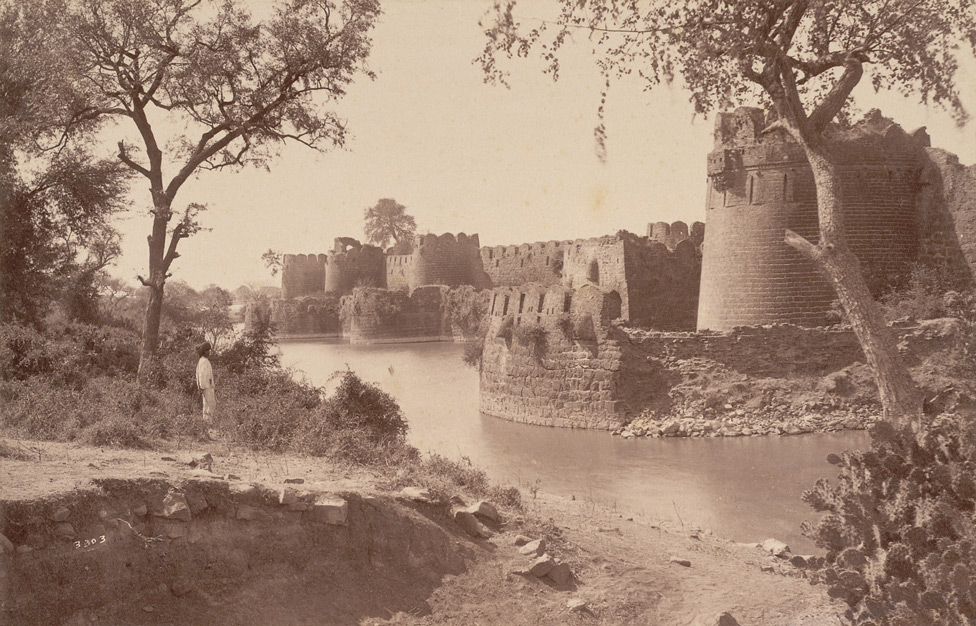
ಉತ್ತರ ಕರ್ನಾಟಕದ ಜಿಲ್ಲಾ ಮತ್ತು ತಾಲೂಕು ಆಸ್ಪತ್ರೆಗಳಲ್ಲಿ ತಜ್ಞ ವೈದ್ಯರ ಕೊರತೆ ದೀರ್ಘಕಾಲದಿಂದ ಇದೆ, ಸೂಪರ್-ಸ್ಪೆಷಾಲಿಟಿ ಸೇವೆ (ಹೃದ್ರೋಗ, ಅಪಘಾತ, ನವಜಾತ ಶಿಶು ಐಸಿಯು) ಬಹುಮಟ್ಟಿಗೆ ಇಲ್ಲವೇ ಇಲ್ಲ, ಮತ್ತು ತಾಯಂದಿರ ಆರೋಗ್ಯದ ಅತಿ ದೊಡ್ಡ ಹೊರೆಯನ್ನು ಈ ಭಾಗವೇ ಹೊತ್ತಿದೆ. ಕರ್ನಾಟಕದ ತಾಯಿ ಮರಣ ಪ್ರಮಾಣ (ಪ್ರತಿ ೧,೦೦,೦೦೦ ಜೀವಂತ ಜನನಗಳಿಗೆ ೬೯, SRS ೨೦೧೮-೨೦) ಐದು ದಕ್ಷಿಣ ರಾಜ್ಯಗಳ ಪೈಕಿ ಅತಿ ಹೆಚ್ಚು, ಮತ್ತು ರಾಜ್ಯದೊಳಗೆ ಈ ಮರಣಗಳು ಉತ್ತರ ಕರ್ನಾಟಕದ ಜಿಲ್ಲೆಗಳಾದ ಬೆಳಗಾವಿ, ಕಲಬುರಗಿ, ಯಾದಗಿರಿ, ಕೊಪ್ಪಳ ಮತ್ತು ರಾಯಚೂರಿನಲ್ಲೇ ಗುಂಪುಗೂಡಿವೆ. ಸರ್ಕಾರದ ಸ್ವಂತ ದಾಖಲೆಯೇ ಈ ಕೊರತೆಯನ್ನು ಧೃಡೀಕರಿಸುತ್ತದೆ — ಕಲ್ಯಾಣ ಕರ್ನಾಟಕದಲ್ಲಿ ೬೫ ಪ್ರಾಥಮಿಕ ಆರೋಗ್ಯ ಕೇಂದ್ರಗಳ ಕೊರತೆಯನ್ನು ಒಪ್ಪಿಕೊಂಡಿರುವುದು, ಹೃದ್ರೋಗ ಘಟಕ ಅಥವಾ ಅಪಘಾತ ಕೇಂದ್ರವೇ ಇಲ್ಲದ ಜಿಲ್ಲಾ ವೈದ್ಯಕೀಯ ಕಾಲೇಜುಗಳು, ಮತ್ತು ಒಂದೇ ಒಂದು ಅರ್ಜಿಯೂ ಬಾರದ ನೇಮಕಾತಿ ಪ್ರಯತ್ನಗಳು. ಇದನ್ನು ಉತ್ತರ ಕರ್ನಾಟಕದ ನಿರ್ಲಕ್ಷ್ಯದ ಅಳೆಯಬಹುದಾದ ಮುಖ ಎಂದು KKKS ಪರಿಗಣಿಸುತ್ತದೆ ಮತ್ತು ಕಾಲಮಿತಿಯ ತಜ್ಞ ವೈದ್ಯ ನೇಮಕಾತಿ, ಪ್ರತಿ ಜಿಲ್ಲಾ ಕಾಲೇಜಿನಲ್ಲಿ ಹೃದ್ರೋಗ/ಅಪಘಾತ ಘಟಕಗಳು, ವೈದ್ಯರನ್ನು ಸೆಳೆಯಲು ಕಠಿಣ-ಪ್ರದೇಶ ಪ್ರೋತ್ಸಾಹ ಪ್ಯಾಕೇಜ್, ಉತ್ತರ ಕರ್ನಾಟಕ ತಾಯಿ ಮತ್ತು ನವಜಾತ ಶಿಶು ಆರೋಗ್ಯ ಆಂದೋಲನ, ಮತ್ತು ಎಲ್ಲ ೧೪ ಜಿಲ್ಲೆಗಳಿಗೆ ವಿಸ್ತರಿಸಿದ ೩೭೧(ಜೆ) ಕಲಮಿನಡಿ ಆರೋಗ್ಯ ವೆಚ್ಚವನ್ನು ಬೇಲಿಹಾಕಿ ಕಾಯ್ದಿಡಬೇಕೆಂದು ಬೇಡಿಕೆ ಇಡುತ್ತದೆ. ಈ ವಾದ ಸಂಪೂರ್ಣವಾಗಿ SRS, NFHS-5, ಗ್ರಾಮೀಣ ಆರೋಗ್ಯ ಅಂಕಿಅಂಶ, CAG ಲೆಕ್ಕಪರಿಶೋಧನೆ ಮತ್ತು ಆರೋಗ್ಯ ಸಚಿವರ ಸ್ವಂತ ಹೇಳಿಕೆಗಳ ಮೇಲೆ ನಿಂತಿದೆ — ಯಾವುದೇ ಸಮುದಾಯದ ಮೇಲಾಗಲಿ ಅಥವಾ ಸಿಬ್ಬಂದಿ ಕೊರತೆಯಲ್ಲಿರುವ ವೈದ್ಯರ ಮೇಲಾಗಲಿ ಯಾವುದೇ ಆರೋಪ ಮಾಡುವುದಿಲ್ಲ.North Karnataka's district and taluk hospitals are chronically short of specialists, super-speciality care (cardiac, trauma, neonatal ICU) is largely absent, and the region carries Karnataka's worst maternal-health burden. Karnataka's maternal mortality ratio (69 per 100,000, SRS 2018-20) is the highest of the five southern states, and within the state the maternal deaths cluster in North-Karnataka districts — Belagavi, Kalaburagi, Yadgir, Koppal and Raichur. The government's own record confirms the gap: a 65-PHC shortfall acknowledged in Kalyana Karnataka, district medical colleges with no cardiology unit or trauma centre, and recruitment drives that draw zero applications. KKKS frames this as the measurable face of North Karnataka's neglect and demands time-bound specialist recruitment, cardiac/trauma units in every district college, a hard-area incentive package to attract doctors, a North-Karnataka maternal & newborn health mission, and health spending ring-fenced under Article 371(J) extended to all 14 districts. The case is built entirely on SRS, NFHS-5, Rural Health Statistics, CAG audit findings and the Health Minister's own statements — making no accusation against any community or against the short-staffed doctors themselves.
ನಾವು ಎಲ್ಲಿ ನಿಂತಿದ್ದೇವೆ ನೋಡಿSee where we stand →
ಉತ್ತರ ಕರ್ನಾಟಕ — ಕಿತ್ತೂರು-ಕರ್ನಾಟಕ ಮತ್ತು ಕಲ್ಯಾಣ-ಕರ್ನಾಟಕ ಭಾಗಗಳ 14 ಜಿಲ್ಲೆಗಳು — ಕರ್ನಾಟಕದ ಶಿಕ್ಷಣ ಕೊರತೆಯ ಅತಿ ಹೆಚ್ಚಿನ ಹೊರೆಯನ್ನು ಹೊತ್ತಿದೆ. ಕರ್ನಾಟಕದ ಪ್ರೌಢಶಾಲಾ (9-10ನೇ ತರಗತಿ) ಶಾಲೆ ಬಿಡುವ ಪ್ರಮಾಣವೇ ಶೇ.22.2 ಇದ್ದು, ಇದು ಶೇ.14.1ರ ರಾಷ್ಟ್ರೀಯ ಸರಾಸರಿಗಿಂತ ಹೆಚ್ಚಾಗಿ ಭಾರತದಲ್ಲೇ ಅತ್ಯಂತ ಕೆಟ್ಟ ಸ್ಥಿತಿಗಳಲ್ಲಿ ಒಂದಾಗಿದೆ (UDISE+ 2023-24); ರಾಜ್ಯದೊಳಗೆ ಈ ಹೊರೆ ಉತ್ತರದ ಜಿಲ್ಲೆಗಳ ಮೇಲೆಯೇ ಅತಿ ಹೆಚ್ಚು ಬೀಳುತ್ತದೆ. 2011ರ ಜನಗಣತಿಯಲ್ಲಿ ಯಾದಗಿರಿ ರಾಜ್ಯದ ಅತಿ ಕಡಿಮೆ ಸಾಕ್ಷರತಾ ಪ್ರಮಾಣವನ್ನು (ಶೇ.51.83, ರಾಜ್ಯದ ಶೇ.75.6ಕ್ಕೆ ಎದುರಾಗಿ) ದಾಖಲಿಸಿತು ಮತ್ತು ಅತಿ ಹೆಚ್ಚು ಶಾಲೆ ಬಿಡುವ ಪ್ರಮಾಣಗಳಲ್ಲಿ ಒಂದನ್ನು ಹೊಂದಿತ್ತು; 2025ರ ಎಸ್ಎಸ್ಎಲ್ಸಿ (10ನೇ ತರಗತಿ) ಮಂಡಳಿ ಪರೀಕ್ಷೆಯಲ್ಲಿ ಕಲಬುರಗಿ ಶೇ.42.43ರೊಂದಿಗೆ ಕರ್ನಾಟಕದಲ್ಲೇ ಕೊನೆಯ ಸ್ಥಾನ ಪಡೆಯಿತು ಮತ್ತು ಯಾದಗಿರಿ ತಳಮಟ್ಟದ ಸಮೀಪವೇ (~ಶೇ.51.6) ಇತ್ತು, ಹಾಗೆಯೇ 2024-25ರ ಪಿಯುಸಿ ದ್ವಿತೀಯ ವರ್ಷದಲ್ಲಿ ಯಾದಗಿರಿ ಶೇ.48.45ರೊಂದಿಗೆ ಅತಿ ಕೆಳಮಟ್ಟದಲ್ಲಿತ್ತು — ಇವೆಲ್ಲ ರಾಜ್ಯದ ಶೇ.66.14ರ ಎಸ್ಎಸ್ಎಲ್ಸಿ ಉತ್ತೀರ್ಣ ಪ್ರಮಾಣಕ್ಕಿಂತ ಬಹಳ ಕೆಳಗಿವೆ; ಆ ರಾಜ್ಯದ ಪ್ರಮಾಣವೇ ಹಿಂದಿನ ವರ್ಷದ ಶೇ.73.4ರಿಂದ ಕುಸಿದಿದೆ. ಮೂಲ ಕಾರಣಗಳು ನಿಖರ ಮತ್ತು ಪರಿಹರಿಸಬಹುದಾದವು: ರಾಜ್ಯವ್ಯಾಪಿ 45,590 ಪ್ರಾಥಮಿಕ ಮತ್ತು 12,134 ಪ್ರೌಢಶಾಲಾ ಶಿಕ್ಷಕರ ಕೊರತೆ (ಗ್ರಾಮೀಣ ಉತ್ತರ ಭಾಗದಲ್ಲಿ ಅತ್ಯಂತ ತೀವ್ರ), ಏಕ-ಶಿಕ್ಷಕ ಶಾಲೆಗಳು, ಶೌಚಾಲಯ ಮತ್ತು ಕುಡಿಯುವ ನೀರಿನ ಕೊರತೆ — ಇದು ಹದಿಹರೆಯದ ಹೆಣ್ಣುಮಕ್ಕಳನ್ನು ಶಾಲೆಯಿಂದ ಹೊರದೂಡುತ್ತದೆ — ಮತ್ತು ಸರ್ಕಾರಿ ಕಾಲೇಜು ಹಾಗೂ ವಸತಿನಿಲಯಗಳ ತೆಳುವಾದ ಹರಡುವಿಕೆ, ಇದು ಉತ್ತರದ ಯುವಜನರನ್ನು ತಮಗೆ ಬಹುಶಃ ಭರಿಸಲಾಗದ ಉನ್ನತ ಶಿಕ್ಷಣಕ್ಕಾಗಿ ದಕ್ಷಿಣಕ್ಕೆ ವಲಸೆ ಹೋಗುವಂತೆ ಮಾಡುತ್ತದೆ. ಕಾಲೇಜು ಸಾಂದ್ರತೆಯಲ್ಲಿ ಕರ್ನಾಟಕ ಭಾರತದಲ್ಲೇ ಮುಂಚೂಣಿಯಲ್ಲಿದೆ (ಪ್ರತಿ ಲಕ್ಷ ಜನಸಂಖ್ಯೆಗೆ 66 ಕಾಲೇಜುಗಳು), ಆದರೆ ಆ ಸಂಪತ್ತು ಬೆಂಗಳೂರು ಮತ್ತು ಕರಾವಳಿಯಲ್ಲಿ ಕೇಂದ್ರೀಕೃತವಾಗಿದೆಯೇ ಹೊರತು ಯಾದಗಿರಿ, ರಾಯಚೂರು, ಕೊಪ್ಪಳ ಅಥವಾ ಕಲಬುರಗಿಯಲ್ಲಿ ಅಲ್ಲ. ಸಂವಿಧಾನದ 371(ಜೆ) ವಿಧಿಯು ಆರು ಕಲ್ಯಾಣ-ಕರ್ನಾಟಕ ಜಿಲ್ಲೆಗಳಿಗೆ ರಾಜ್ಯವ್ಯಾಪಿ ಶೇ.8 ಶಿಕ್ಷಣ-ಮತ್ತು-ಉದ್ಯೋಗ ಮೀಸಲಾತಿ ಜೊತೆಗೆ ~ಶೇ.70 ಸ್ಥಳೀಯ ಪ್ರದೇಶ ಮೀಸಲಾತಿ ನೀಡುತ್ತದೆ, ಆದರೆ ಅನುಷ್ಠಾನ ಹಿಂದುಳಿದಿದೆ ಮತ್ತು ಏಳು ಕಿತ್ತೂರು-ಕರ್ನಾಟಕ ಜಿಲ್ಲೆಗಳಿಗೆ ಇಂಥ ಯಾವ ರಕ್ಷಣೆಯೂ ಇಲ್ಲ. ಕಿತ್ತೂರು ಕಲ್ಯಾಣ ಕರ್ನಾಟಕ ಸೇನೆಯ ನಿಲುವು: ಉತ್ತರ-ದಕ್ಷಿಣ ಅಂತರವನ್ನು ಮುಚ್ಚಲು ಶಿಕ್ಷಣವೇ ಅತಿ ಹೆಚ್ಚು ಪ್ರಭಾವದ ಸಾಧನವಾಗಿದೆ; ಪಕ್ಷವು ಈ ಪ್ರದೇಶಕ್ಕೆ ಪೂರ್ಣ ಶಿಕ್ಷಕ ನೇಮಕಾತಿ, ಪ್ರತಿ ಉತ್ತರದ ಜಿಲ್ಲೆಯಲ್ಲಿ ಸರ್ಕಾರಿ ಪದವಿ ಮತ್ತು ವೃತ್ತಿಪರ ಕಾಲೇಜುಗಳು ಹಾಗೂ ವಸತಿನಿಲಯಗಳು, ಕಿತ್ತೂರು-ಕರ್ನಾಟಕ ಜಿಲ್ಲೆಗಳಿಗೂ 371(ಜೆ) ಮಾದರಿಯ ಶಿಕ್ಷಣ ರಕ್ಷಣೆಗಳ ವಿಸ್ತರಣೆ, ಮತ್ತು ಕಲ್ಯಾಣ ಕರ್ನಾಟಕ ಪ್ರದೇಶ ಅಭಿವೃದ್ಧಿ ಮಂಡಳಿಯ ಶಿಕ್ಷಣ ಬಜೆಟ್ನ ಪ್ರಾಮಾಣಿಕ, ಲೆಕ್ಕಪರಿಶೋಧಿತ ಬಳಕೆಯನ್ನು ಒತ್ತಾಯಿಸುತ್ತದೆ.North Karnataka — the 14 districts of the Kittur-Karnataka and Kalyana-Karnataka regions — carries the heaviest share of Karnataka's education deficit. Karnataka's own secondary-school (Class 9-10) dropout rate is 22.2% against a national average of 14.1% (UDISE+ 2023-24), among the worst in India; within the state the burden falls hardest on the northern districts. Yadgir recorded the state's lowest 2011 literacy rate (51.83%, versus the state's 75.6%) and one of the highest reported school-dropout shares; in the 2025 SSLC (Class 10) board exam Kalaburagi finished last in Karnataka at 42.43% and Yadgir near the bottom (~51.6%), while in PUC II 2024-25 Yadgir was lowest at 48.45% — all far below the state's 66.14% SSLC pass rate, which itself fell from 73.4% the previous year. The root causes are concrete and fixable: a statewide shortfall of 45,590 primary and 12,134 high-school teachers (worst in the rural north), single-teacher schools, missing toilets and drinking water that push adolescent girls out, and a thin spread of government colleges and hostels that forces northern youth to migrate south for higher education they often cannot afford. Karnataka leads India in college density (66 colleges per lakh population), but that wealth is concentrated in Bengaluru and the coast, not in Yadgir, Raichur, Koppal or Kalaburagi. Article 371(J) gives the six Kalyana-Karnataka districts an 8% statewide education-and-jobs reservation plus ~70% local-area reservation, yet implementation has lagged and the seven Kittur-Karnataka districts get no such protection at all. The Kittur Kalyan Karnataka Sena's position: education is the single highest-leverage lever for closing the North-South gap, and it demands full teacher recruitment for the region, government degree and professional colleges and hostels in every northern district, extension of 371(J)-style education safeguards to the Kittur-Karnataka districts, and honest, audited use of the Kalyana Karnataka Region Development Board's education budget.
ನಾವು ಎಲ್ಲಿ ನಿಂತಿದ್ದೇವೆ ನೋಡಿSee where we stand →
ದಶಕಗಳಿಂದ ಉತ್ತರ ಕರ್ನಾಟಕ — ಕಿತ್ತೂರ-ಕರ್ನಾಟಕ ಮತ್ತು ಕಲ್ಯಾಣ-ಕರ್ನಾಟಕದ 14 ಜಿಲ್ಲೆಗಳು — ರಾಜ್ಯದ ಹೊಲ-ಗದ್ದೆ, ಕಣಜ ಹಾಗೂ ದುಡಿಮೆಯ ಭಾರವನ್ನು ಹೊತ್ತುಕೊಂಡು ಬಂದಿದೆ; ಆದರೆ ರಸ್ತೆ, ರೈಲು, ಸೇತುವೆ ಮತ್ತು ಮೂಲಭೂತ ಸೌಕರ್ಯಗಳಲ್ಲಿ ಸಿಗುತ್ತಿರುವುದು ಮಾತ್ರ ಅದರ ಪಾಲಿನ ಒಂದು ಸಣ್ಣ ಭಾಗ. ರಾಜ್ಯದ್ದೇ ಆದ ತಜ್ಞರ ಸಮಿತಿ (ಡಿ.ಎಂ. ನಂಜುಂಡಪ್ಪ ಸಮಿತಿ, 2002) ಈ ಭಾಗದ 59 ತಾಲ್ಲೂಕುಗಳನ್ನು "ಹಿಂದುಳಿದ" ಎಂದು ಗುರುತಿಸಿತ್ತು; ಆದರೆ ಎರಡು ದಶಕಗಳ ನಂತರವೂ ಆ ಅಂತರ ಮುಚ್ಚಿಲ್ಲ. ಕರ್ನಾಟಕದ್ದೇ 2024-25ನೇ ಸಾಲಿನ ಆರ್ಥಿಕ ಸಮೀಕ್ಷೆ ತೋರಿಸುವಂತೆ ಕಲಬುರಗಿಯ ತಲಾ ಆದಾಯ (ಸುಮಾರು ₹1.44 ಲಕ್ಷ) ಬೆಂಗಳೂರಿನದ್ದರ (ಸುಮಾರು ₹8.56 ಲಕ್ಷ) ಸುಮಾರು ಆರನೇ ಒಂದು ಭಾಗದಷ್ಟಿದೆ. 1990ರ ಹಾಗೂ 2010ರ ದಶಕಗಳಲ್ಲಿ ಮಂಜೂರಾದ ರೈಲು ಮಾರ್ಗಗಳು — ಗಿಣಿಗೇರಾ-ರಾಯಚೂರು, ಬಾಗಲಕೋಟೆ-ಕುಡಚಿ ಮತ್ತು ಇತರವು — 15ರಿಂದ 25 ವರ್ಷಗಳ ನಂತರವೂ ಅಪೂರ್ಣವಾಗಿಯೇ ಉಳಿದಿವೆ; ಹೆದ್ದಾರಿ, ಸೇತುವೆ ಹಾಗೂ ಸಮರ್ಪಕ ವಿಮಾನ ನಿಲ್ದಾಣ ಜಾಲ ದಕ್ಷಿಣ ಭಾಗಕ್ಕಿಂತ ಬಹಳ ಹಿಂದುಳಿದಿವೆ. ಕಿತ್ತೂರ ಕಲ್ಯಾಣ ಕರ್ನಾಟಕ ಸೇನೆಯ ನಿಲುವು ಇದು — ಇದು ಕೆಟ್ಟ ಅದೃಷ್ಟವಲ್ಲ, ಬದಲಾಗಿ ನಿರ್ಲಕ್ಷ್ಯದ ಒಂದು ಮಾದರಿ ("ಮಲತಾಯಿ ಧೋರಣೆ"); ಮತ್ತು ಈ ಮೂಲಸೌಕರ್ಯ ಅಂತರವನ್ನು ಮುಚ್ಚುವುದು ದಾನ-ಧರ್ಮವಲ್ಲ, ಸಂವಿಧಾನಾತ್ಮಕ ನ್ಯಾಯ ಹಾಗೂ ಪ್ರಾದೇಶಿಕ ನ್ಯಾಯದ ವಿಷಯ. ಈ ಪುಟವು ಸತ್ಯಾಂಶಗಳನ್ನು, ಪಕ್ಷದ ನಿಲುವನ್ನು ಹಾಗೂ ನಿರ್ದಿಷ್ಟ-ವೆಚ್ಚಸಹಿತ ಬೇಡಿಕೆಗಳನ್ನು ಮಂಡಿಸುತ್ತದೆ — ಪ್ರತಿಯೊಂದು ಅಂಕಿ-ಅಂಶವೂ ಸರ್ಕಾರಿ ವರದಿಗಳಿಂದ ಹಾಗೂ ವಿಶ್ವಾಸಾರ್ಹ ಸಾರ್ವಜನಿಕ ಮೂಲಗಳಿಂದ ಪಡೆದದ್ದು, ಅನಿಶ್ಚಿತತೆಗಳನ್ನು ಪ್ರಾಮಾಣಿಕವಾಗಿ ತಿಳಿಸಲಾಗಿದೆ.For decades, North Karnataka — the 14 districts of Kittur-Karnataka and Kalyana-Karnataka — has carried the weight of the state's farms, granaries and labour while receiving a fraction of its roads, railways, bridges and basic facilities. The State's own expert committee (the D.M. Nanjundappa Committee, 2002) found that 59 of the region's taluks were "backward," and more than two decades later the gap has not closed: Karnataka's own 2024-25 Economic Survey shows Kalaburagi's per-capita income (around ₹1.44 lakh) at roughly one-sixth of Bengaluru's (around ₹8.56 lakh). Railway lines sanctioned in the 1990s and 2010s — Ginigera-Raichur, Bagalkot-Kudachi and others — remain unfinished after 15 to 25 years, while highways, bridges and an adequate airport network lag far behind the south. The Kittur Kalyan Karnataka Sena holds that this is not bad luck but a pattern of neglect ("ಮಲತಾಯಿ ಧೋರಣೆ" — step-motherly treatment), and that closing the infrastructure gap is a matter of constitutional fairness and regional justice, not charity. This page sets out the facts, the party's position, and concrete, costed demands — every figure drawn from government reports and credible public sources, with uncertainties flagged honestly.
ನಾವು ಎಲ್ಲಿ ನಿಂತಿದ್ದೇವೆ ನೋಡಿSee where we stand →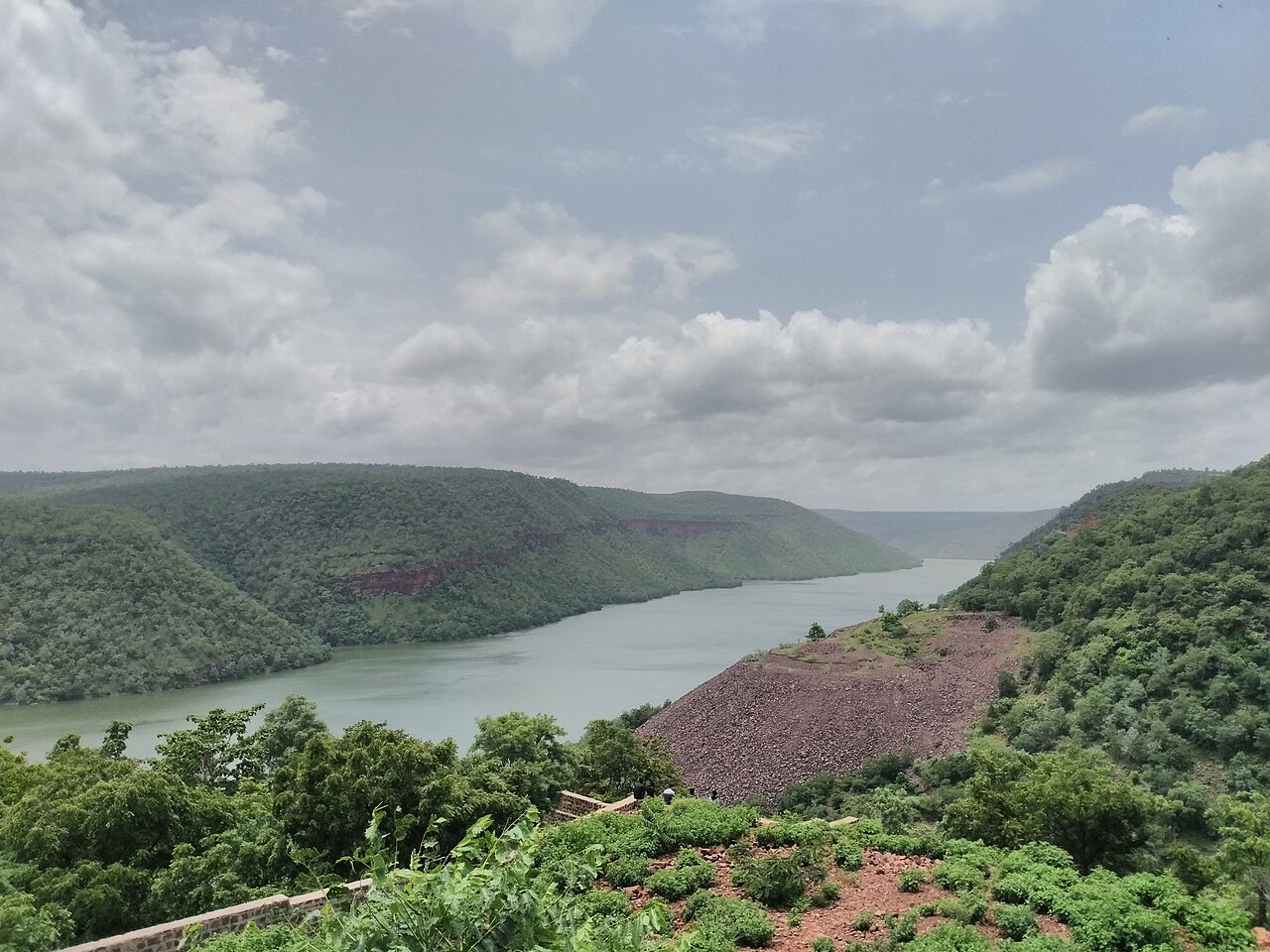
ಕಲ್ಯಾಣ ಕರ್ನಾಟಕದ ಆರು ಜಿಲ್ಲೆಗಳಾದ ಕಲಬುರಗಿ, ಬೀದರ್, ಯಾದಗಿರಿ, ರಾಯಚೂರು, ಕೊಪ್ಪಳ ಮತ್ತು ಬಳ್ಳಾರಿಯಾದ್ಯಂತ ಲಕ್ಷಾಂತರ ನಮ್ಮ ಜನರು ಇಂದಿಗೂ ಫ್ಲೋರೈಡ್ ಬೆರೆತ — ಕೆಲವೆಡೆ ಆರ್ಸೆನಿಕ್ ಮತ್ತು ಯುರೇನಿಯಂ ಸಹ ಬೆರೆತ — ಅಂತರ್ಜಲವನ್ನೇ ಕುಡಿಯುತ್ತಿದ್ದಾರೆ. ಇದರ ಪರಿಣಾಮವೇ ಫ್ಲೋರೋಸಿಸ್: ನಮ್ಮ ಮಕ್ಕಳಲ್ಲಿ ಕಂದು ಬಣ್ಣಕ್ಕೆ ತಿರುಗಿದ, ಸವೆದ ಹಲ್ಲುಗಳು; ನಮ್ಮ ಹಿರಿಯರಲ್ಲಿ ಬಾಗಿದ, ನೋವಿನ, ಊನಗೊಂಡ ಮೂಳೆಗಳು. ಇದು ಚಿಕ್ಕ ಸಮಸ್ಯೆ ಅಲ್ಲ. ಸರ್ಕಾರಿ ಮತ್ತು ವೈಜ್ಞಾನಿಕ ಸಮೀಕ್ಷೆಗಳು ಕರ್ನಾಟಕದಾದ್ಯಂತ ಸಾವಿರಾರು ಕಲುಷಿತ ನೀರಿನ ಮೂಲಗಳನ್ನು ಹಾಗೂ ವಸತಿ ಪ್ರದೇಶಗಳನ್ನು ಗುರುತಿಸಿವೆ; ಈ ಪೈಕಿ ಈಶಾನ್ಯ ಭಾಗ — ಅಂದರೆ ನಮ್ಮ ಭಾಗ — ರಾಜ್ಯದಲ್ಲೇ ಅತಿ ಹೆಚ್ಚು ಫ್ಲೋರೈಡ್ ಮಟ್ಟವನ್ನು ದಾಖಲಿಸಿದೆ. 2023ರಲ್ಲಿ ರಾಯಚೂರಿನ ಮಾನ್ವಿ ಮತ್ತು ದೇವದುರ್ಗ ತಾಲ್ಲೂಕುಗಳಲ್ಲಿ ನಡೆದ ಅಧ್ಯಯನವೊಂದು ಪರೀಕ್ಷಿಸಿದ ಪ್ರತಿ 100 ಶಾಲಾ ಮಕ್ಕಳಲ್ಲಿ 46 ಮಕ್ಕಳಿಗೆ ದಂತ ಫ್ಲೋರೋಸಿಸ್ ಇರುವುದನ್ನು ಕಂಡುಕೊಂಡಿತು. ವಿಷಪೂರಿತ ನೀರಿನ ಜೊತೆಗೆ ಇಡೀ ಪ್ರದೇಶದ ನಿರ್ಲಕ್ಷ್ಯವೂ ಸೇರಿಕೊಂಡಿದೆ — ಇದನ್ನು ಭಾರತದ ಮಹಾಲೆಕ್ಕಪರಿಶೋಧಕ (CAG) 2022ರಲ್ಲೇ ದಾಖಲಿಸಿದ್ದಾರೆ: 371-ಜೆ ವಿಧಿಯ ವಿಶೇಷ ಸ್ಥಾನಮಾನ ನೀಡಿ ಒಂದು ದಶಕವಾದರೂ ಕಲ್ಯಾಣ ಕರ್ನಾಟಕ ರಾಜ್ಯದ ಅತ್ಯಂತ ಹಿಂದುಳಿದ ಭಾಗವಾಗಿಯೇ ಉಳಿದಿದೆ — ಹೆಚ್ಚಿನ ಶಿಶು ಮರಣ ಪ್ರಮಾಣ, ರಾಜ್ಯದಲ್ಲೇ ಅತಿ ಕೆಟ್ಟ ಮಕ್ಕಳ ರಕ್ತಹೀನತೆ, ಮತ್ತು ಅತಿ ಕಡಿಮೆ ಮಾನವ ಅಭಿವೃದ್ಧಿ ಸೂಚ್ಯಂಕ. ಇದರ ನಡುವೆ, ಕಲ್ಯಾಣ ಕರ್ನಾಟಕ ಪ್ರದೇಶ ಅಭಿವೃದ್ಧಿ ಮಂಡಳಿಯ (KKRDB) ಮೂಲಕ ಈ ಭಾಗದ ಅಭಿವೃದ್ಧಿಗೆ ಮೀಸಲಿಟ್ಟ ಹಣ ಪದೇಪದೇ ಖರ್ಚಾಗದೆ ಉಳಿದಿದೆ. ಶುದ್ಧ ಕುಡಿಯುವ ನೀರು ಒಂದು ಉಪಕಾರವಲ್ಲ, ಮೂಲಭೂತ ಹಕ್ಕು — ಮತ್ತು ಫ್ಲೋರೋಸಿಸ್ ಹಾಗೂ ನೈರ್ಮಲ್ಯವನ್ನು ಸರಿಪಡಿಸುವುದೇ ಪ್ರಾದೇಶಿಕ ನ್ಯಾಯದ ಮೊದಲ, ರಾಜಿಯಿಲ್ಲದ ಪರೀಕ್ಷೆ ಎಂದು ಕಿತ್ತೂರು ಕಲ್ಯಾಣ ಕರ್ನಾಟಕ ಸೇನೆ ದೃಢವಾಗಿ ಪ್ರತಿಪಾದಿಸುತ್ತದೆ.Across the six districts of Kalyana Karnataka — Kalaburagi, Bidar, Yadgir, Raichur, Koppal and Ballari — lakhs of our people still drink groundwater laced with fluoride, and in places arsenic and uranium too. The result is fluorosis: brown and broken teeth in our children, and bent, painful, crippled bones in our elders. This is not a small problem. Government and scientific surveys have found thousands of contaminated water sources and habitations across Karnataka, with the north-eastern belt — our region — recording the State's highest fluoride levels. A 2023 study in Raichur's Manvi and Devadurga talukas found dental fluorosis in 46 out of every 100 schoolchildren examined. Alongside poisoned water sits the wider neglect that the Comptroller and Auditor General (CAG) of India itself documented in 2022: Kalyana Karnataka remained the most backward part of the State even a decade after Article 371-J special status was granted, with higher infant mortality, the State's worst child anaemia, and the lowest human-development scores. Meanwhile, money earmarked for the region's development under the Kalyana Karnataka Region Development Board (KKRDB) has repeatedly gone unspent. The Kittur Kalyan Karnataka Sena holds that clean drinking water is a fundamental right, not a favour — and that fixing fluorosis and sanitation is the first, non-negotiable test of regional justice.
ನಾವು ಎಲ್ಲಿ ನಿಂತಿದ್ದೇವೆ ನೋಡಿSee where we stand →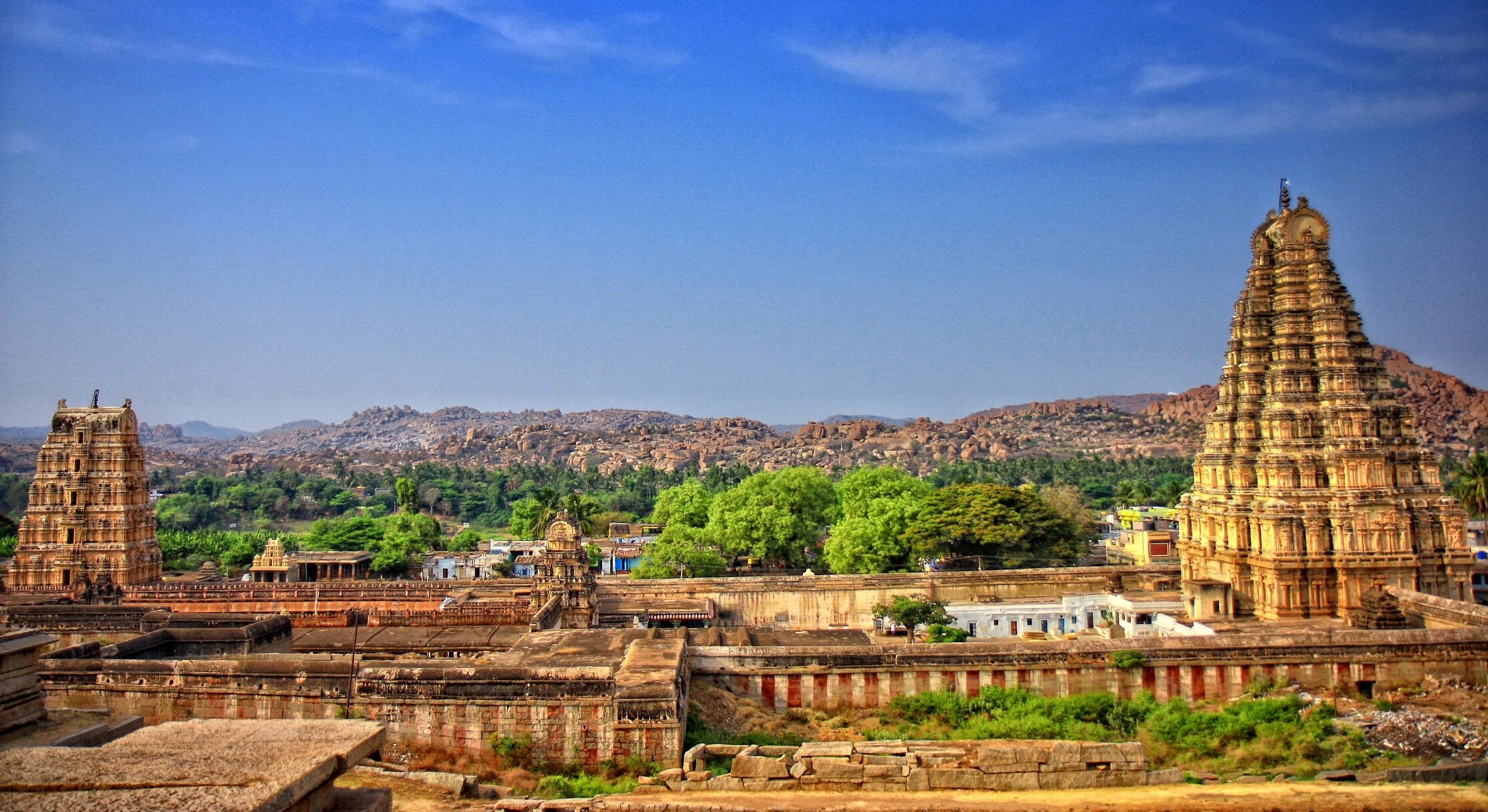
ದಶಕಗಳಿಂದ ಉತ್ತರ ಕರ್ನಾಟಕ — ಕನ್ನಡ ಮಾತಾಡುವ ನಾಡುಗಳನ್ನು ಒಂದುಗೂಡಿಸುವ ಚಳವಳಿಯ ತೊಟ್ಟಿಲೇ ಆಗಿದ್ದ ಭಾಗ — ಒಂದು ಆಳವಾದ ನೋವನ್ನು ಹೊತ್ತುಕೊಂಡು ಬಂದಿದೆ: 1956ರ ಪುನರ್ ರಚನೆಯ ನಂತರ ಅಧಿಕಾರ, ಹಣ ಮತ್ತು ಅವಕಾಶಗಳೆಲ್ಲ ಬೆಂಗಳೂರು ಮತ್ತು ಹಳೆಯ ಮೈಸೂರು ದಕ್ಷಿಣ ಭಾಗದಲ್ಲಿ ಕೇಂದ್ರೀಕೃತವಾದವು, ಉತ್ತರ ಭಾಗ ಮಾತ್ರ ಹಿಂದೆ ಉಳಿದುಬಿಟ್ಟಿತು ಎಂಬ ನೋವು. ಕಿತ್ತೂರ ಕಲ್ಯಾಣ ಕರ್ನಾಟಕ ಸೇನೆಯು ಪ್ರಾದೇಶಿಕ ನ್ಯಾಯ ಮತ್ತು ಅಭಿವೃದ್ಧಿಯನ್ನು ಪ್ರಮುಖ ಬೇಡಿಕೆಯಾಗಿ ಮುಂದಿಡುತ್ತದೆ; ಪ್ರತ್ಯೇಕ ರಾಜ್ಯವನ್ನು ಕೊನೆಯ ಆಯ್ಕೆಯಾಗಿ ಮಾತ್ರ ಪರಿಗಣಿಸುತ್ತದೆ.For decades, North Karnataka — the region that was the cradle of the very movement to unify Kannada-speaking lands — has carried a deep grievance: that since the 1956 reorganisation, power, money and opportunity have concentrated in Bengaluru and the old Mysore south, while the north was left behind. This grievance has periodically erupted into a demand for a separate North Karnataka state. The data is real and uncomfortable: the Karnataka government's own D.M. Nanjundappa Committee (2002) found more "most backward" taluks in the north than the south, and human-development, income, health and poverty indicators continue to show a stark north-south gap. The Kittur Kalyan Karnataka Sena's position is that this debate must be honestly faced, not dismissed. The party's primary demand is regional justice — full and fair development, the extension of Article 371(J) special-status protections to the Kittur-Karnataka (Bombay-Karnataka) districts that do not yet have them, a dedicated North Karnataka secretariat, and region-based shares in jobs, water and budgets. The party makes clear that a separate state is the last resort, not the first — an outcome that becomes "inevitable" only if the discrimination is allowed to continue. This page sets out the history, the honest arguments on both sides, and the party's concrete, achievable demands.
ನಾವು ಎಲ್ಲಿ ನಿಂತಿದ್ದೇವೆ ನೋಡಿSee where we stand →