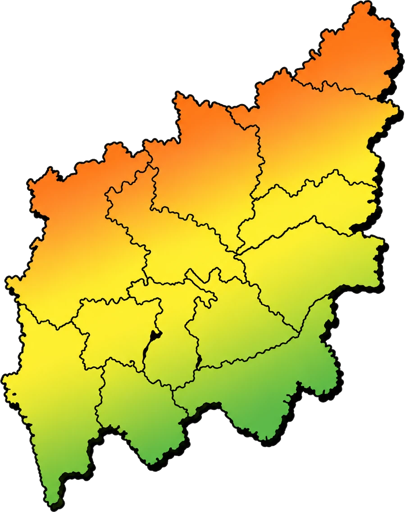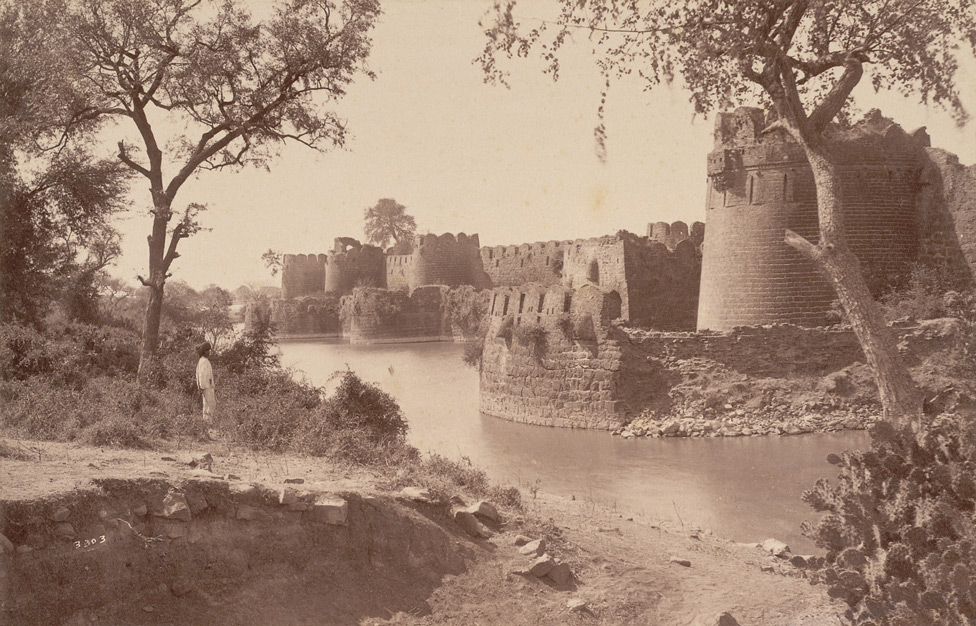
ಉತ್ತರ ಕರ್ನಾಟಕದ ನ್ಯಾಯ, ನೀರು, ಉದ್ಯೋಗ ಮತ್ತು ಸ್ವಾಭಿಮಾನಕ್ಕಾಗಿ ಜನರ ಒಂದು ಚಳವಳಿ.Tur bowl of India, last in income: Kalaburagi has fed the nation's dal and waited a decade for the development it was promised.
ದೇಶದ ತೊಗರಿ ಬಟ್ಟಲು, ಆದರ ಆದಾಯದಾಗ ಕಡೆ ಸ್ಥಾನ: ಕಲಬುರಗಿ ದೇಶಕ್ಕ ಬೇಳಿ-ಬೆಲೆ ಬೆಳಿಸಿ ಕೊಟ್ಟೈತಿ, ಆದರ ತನಗ ಸಿಗಬೇಕಿದ್ದ ಅಭಿವೃದ್ಧಿಗಾಗಿ ಹತ್ತು ವರ್ಷ ಕಾಯಾಕ ಬಿದೈತಿ. ಈ ಜಿಲ್ಲೆ ಕರ್ನಾಟಕದ ಸುಮಾರ 60% ತೊಗರಿ ಬೆಳಿ ಬೆಳಿತೈತಿ, ಭಾರತದ ಬೇಳಿ ಉತ್ಪಾದನೆಯಾಗ ಸುಮಾರ ಹತ್ತನೇ ಒಂದು ಭಾಗ ಇದೇ ಜಿಲ್ಲೆಯಿಂದ ಬರ್ತೈತಿ. ಆದರೂ ತಲಾವಾರ ಆದಾಯದಾಗ ಇದು ಎಲ್ಲಕ್ಕಿಂತ ಕಡೆ ಸ್ಥಾನದಾಗ ಐತಿ — ಸುಮಾರ ₹1.44 ಲಕ್ಷ, ಬೆಂಗಳೂರು ನಗರದ ₹8.56 ಲಕ್ಷಕ್ಕ ಹೋಲಿಸಿದರ ಸುಮಾರ 500% ಅಂತರ ಐತಿ. ಇದು ದಾಖಲೆಯಾಗ ಮೊದಲ ಸಲ ಆದಾಯ ಕುಸಿದ ಪ್ರಸಂಗ. ಈ ಜಿಲ್ಲೆ ಗಂಭೀರ ಮಾನವ ಅಭಿವೃದ್ಧಿ ಸವಾಲುಗಳು, ರೈತರ ಸಂಕಷ್ಟ, ಕುಸಿದ ದಾಲ್-ಮಿಲ್ ಆರ್ಥಿಕತೆ, ಫ್ಲೋರೈಡ್ ಕಲುಷಿತ ನೀರಿನ ಅಭಾವ, ಕಲಂ 371J/ಕೆಕೆಆರ್ಡಿಬಿ (KKRDB) ಯ ಅಪೂರ್ಣ ಅನುಷ್ಠಾನ ಮತ್ತು ಕಳಪೆ ಆರೋಗ್ಯ ಸ್ಥಿತಿಯ ಸಮಸ್ಯೆಗಳ ಎದುರಸ್ತೈತಿ.Kalaburagi (formerly Gulbarga) is the largest district of the Kalyana Karnataka region and one of the most development-starved in the state. It grows the bulk of Karnataka's tur (pigeon pea / red gram) — roughly 60% of the state's crop and close to a tenth of India's pulse production — yet it sits at the very bottom of Karnataka's per-capita income table. The state's own 2024-25 Economic Survey records Kalaburagi's per-capita income at about Rs 1.44 lakh against Bengaluru Urban's roughly Rs 8.56 lakh — a gap of nearly 500%. Several reports note this is the first time the district's per-capita income has actually fallen rather than just lagged. The official cause cited in the survey is plain: almost no industry and services activity, leaving the district dependent on rain-fed agriculture in a chronically drought-prone belt. The human cost is severe. Kalyana Karnataka districts cluster at the bottom of Karnataka's Human Development Index (Kalaburagi ~0.539, among the three lowest with Yadgir and Raichur), and the district is repeatedly flagged for high child malnutrition, anaemia, and sanitation-linked diarrhoeal disease. Above all, the tur belt has become a farmer-distress epicentre: erratic monsoons, wilt disease and floods have repeatedly wiped out lakhs of hectares, dal mills have shut by the hundreds, and the district has recorded a heavy toll of farmer suicides. Article 371J and the Kalyana Karnataka Region Development Board were created in 2013 precisely to close this gap — but a decade on, backlog jobs remain unfilled, allocated funds go unspent, and last-mile water and roads still elude villages. Kittur Kalyan Karnataka Sena's case for Kalaburagi is regional justice: the district that feeds India's dal pot deserves the irrigation, industry, health and education investment its own state board was set up to deliver.
ಕರ್ನಾಟಕದ 2024-25ನೇ ಸಾಲಿನ ಆರ್ಥಿಕ ಸಮೀಕ್ಷೆಯಾಗ ಕಲಬುರಗಿ ಎಲ್ಲಾ ಜಿಲ್ಲೆಗಳಾಗ ಕಡೆ ಸ್ಥಾನದಾಗ ಐತಿ — ಸುಮಾರ ₹1.44 ಲಕ್ಷ ತಲಾವಾರ ಆದಾಯ, ಬೆಂಗಳೂರು ನಗರದ ಸುಮಾರ ₹8.56 ಲಕ್ಷಕ್ಕ ಹೋಲಿಸಿದರ ಸುಮಾರ 500% ಅಂತರ ಐತಿ.Karnataka's 2024-25 Economic Survey places Kalaburagi last among all districts at roughly Rs 1.44 lakh per-capita income vs about Rs 8.56 lakh for Bengaluru Urban — a near-500% gap. Multiple reports note this is the first recorded DECLINE (from ~Rs 1,45,377 to ~Rs 1,44,449), attributed to almost no industrial or services base. Kalyana Karnataka's seven districts contribute only ~10.8% of state industrial GDP and ~8.8% of services. (Note: the survey year labelling varies slightly across reports — treat the ~Rs 1.44 lakh figure as the latest available.)
ಅನಿಯಮಿತ ಮಳಿ, ಸೊರಗು ರೋಗ (ವಿಲ್ಟ್) ಮತ್ತು ಪ್ರವಾಹಗಳಿಂದ ಬೆಳಿ ಮತ್ತೆಮತ್ತೆ ಹಾಳಾಗೇತಿ — 2024-25ನೇ ಸಾಲಿನಾಗ ಸುಮಾರ 1.29 ಲಕ್ಷ ಹೆಕ್ಟೇರ್ನ ಬೆಳಿ ಮಳಿ/ಪ್ರವಾಹಕ್ಕ ಹಾಳಾಗೈತಿ ಮತ್ತು ಸುಮಾರ 1.9 ಲಕ್ಷ ಹೆಕ್ಟೇರ್ನ ಬೆಳಿ ಸೊರಗು ರೋಗದಿಂದ ಹಾನಿಗೊಳಗಾಗೈತಿ. ಜಿಲ್ಲೆಯಾಗ ಸುಮಾರ 88 ರೈತರ ಆತ್ಮಹತ್ಯೆ (ಏಪ್ರಿಲ್ 2023-ಮಾರ್ಚ್ 2024) ಮತ್ತು ಸುಮಾರ 63 (ಏಪ್ರಿಲ್ 2024-ಮಾರ್ಚ್ 2025) ದಾಖಲಾಗೈತಿ. ಮಾರ್ಚ್ 2025ರಾಗ ಸುಮಾರ 2.37 ಲಕ್ಷ ರೈತರಿಗ ₹667.73 ಕೋಟಿ ಪರಿಹಾರ ಘೋಷಣೆ ಆಗೈತಿ, ಆದರ ಪರಿಹಾರ ನೀಡೋ ನಿಯಮಗಳಾಗ ದೋಷ ಐತಿ ಅಂತ ವರದಿ ಆಗೈತಿ.Kalaburagi is Karnataka's tur (red gram) bowl. Erratic rainfall, wilt disease and floods have repeatedly destroyed crops — in the 2024-25 cycle, crops on ~1.29 lakh hectares were lost to rain/floods and ~1.9 lakh hectares damaged by wilt. The district recorded one of the state's worst farmer-suicide tolls (reported ~88 in Apr 2023-Mar 2024, ~63 in Apr 2024-Mar 2025, per news reports citing district crime records). A Rs 667.73 crore relief package was announced in March 2025 for ~2.37 lakh affected farmers, but farmers say compensation rules are flawed and payouts delayed.
ಕಲಬುರಗಿ ಮತ್ತು ಯಾದಗಿರಿ ಭಾಗದಾಗ ಇದ್ದ ಸುಮಾರ 400 ದಾಲ್ ಮಿಲ್ಗಳಾಗ, ಹೆಚ್ಚುತ್ತಿರೋ ನಷ್ಟದಿಂದ ಸುಮಾರ 340 ಮಿಲ್ಗಳು ಬಾಗಿಲು ಮುಚ್ಚೈತಿ, ಇದರಿಂದ ನೇರ ಇಲ್ಲವೆ ಪರೋಕ್ಷವಾಗಿ ಅವಲಂಬಿತ ಆಗಿದ್ದ ಅಂದಾಜು 50,000 ಕಾರ್ಮಿಕರು ಕೆಲಸ ಕಳಕೊಂಡಾರ.Pulse processing once anchored local employment. News reports cite that of roughly 400 dal mills across Kalaburagi and Yadgir, around 340 had shut down amid mounting losses, rendering an estimated ~50,000 directly or indirectly dependent workers jobless. With no large industry to absorb them, daily-wage labourers migrate out of the district for work — a structural jobs crisis, not a seasonal one.
ನಾಲ್ಕು ದೊಡ್ಡ ನದಿ ಯೋಜನೆಗಳಿದ್ದರೂ ಜಿಲ್ಲೆ ಇನ್ನೂ ಮಳಿ-ಆಶ್ರಿತ ಮತ್ತು ಬರಪೀಡಿತ ಆಗೇ ಉಳಿದೈತಿ (ಸಾಮಾನ್ಯ ಮಳಿ ಸುಮಾರ 770 ಮಿ.ಮೀ.). ಜಿಲ್ಲೆಯ ಕೆಲ ಭಾಗದ ಅಂತರ್ಜಲದಾಗ ಫ್ಲೋರೈಡ್ ಪ್ರಮಾಣ ಡಬ್ಲ್ಯೂಎಚ್ಒ (WHO) ನಿಗದಿಪಡಿಸಿದ 1.5 ಮಿ.ಗ್ರಾಂ/ಲೀ ಮಿತಿಗಿಂತ ಭಾಳ ಹೆಚ್ಚಾಗಿ (ವರದಿ ಆದ ಗರಿಷ್ಠ ಸುಮಾರ 7.4 ಮಿ.ಗ್ರಾಂ/ಲೀ) ಅಳತೆ ಆಗೈತಿ, ಇದು ನೇರ ಸಾರ್ವಜನಿಕ ಆರೋಗ್ಯಕ್ಕ ಅಪಾಯ. ಎತ್ತುವಳಿ ನೀರಾವರಿ (ಲಿಫ್ಟ್-ಇರಿಗೇಷನ್) ಯೋಜನೆಗಳು ಆರ್ಥಿಕ ಒತ್ತಡದಾಗ ಐತಿ; ಕೊನೆಯ-ಹಂತದ ಕೊಳವೆ ನೀರು ಭಾಳ ಹಳ್ಳಿಗಳಿಗ ತಲುಪವಲ್ತು.Despite the Bhima, Kagina, Karanja and Bennethora rivers/projects, much of the district remains rain-fed and drought-prone (normal rainfall ~770 mm; all 11 taluks were declared drought-hit after an 82% August rain deficit in a recent year). Groundwater fluoride in parts of the district has been measured well above the WHO 1.5 mg/L limit (reported peaks ~7.4 mg/L), a direct public-health hazard. Lift-irrigation schemes like Bhima have faced financial strain (e.g. unpaid power bills), and 'last-mile' piped water still fails to reach many villages.
ಗುರುತಿಸಲಾದ ದೊಡ್ಡ ಸಂಖ್ಯೆಯ ಅನುಶೇಷ/ನೇರ-ನೇಮಕಾತಿ ಹುದ್ದೆಗಳಾಗ, ಹತ್ತಾರು ಸಾವಿರ ಹುದ್ದೆಗಳು ಇನ್ನೂ ಖಾಲಿ ಉಳಿದಾವ, ಮತ್ತು ಕೆಕೆಆರ್ಡಿಬಿ (KKRDB) ಹಣ ನಿರಂತರವಾಗಿ ಖರ್ಚಾಗದ ಉಳಿದೈತಿ (ಉದಾ. ಬಿಡುಗಡೆ ಆದ ₹8,000 ಕೋಟಿಯಾಗ ಕೇವಲ ಸುಮಾರ ₹6,000 ಕೋಟಿ ಮಾತ್ರ ಖರ್ಚಾಗೈತಿ, ಸಾವಿರಾರು ಕಾಮಗಾರಿಗಳು ಬಾಕಿ ಉಳಿದಾವ ಅಂತ ವರದಿಗಳು ಹೇಳ್ತಾವ).Article 371J (2013) and the Kalyana Karnataka Region Development Board were meant to close the regional gap via local reservations and dedicated grants. But delivery lags: of a large pool of identified backlog/direct-recruitment posts, tens of thousands remain unfilled, and KKRDB funds chronically go unspent (e.g. reports that of Rs 8,000 crore released, only ~Rs 6,000 crore had been spent, with thousands of works pending). A 2022 CAG audit concluded the region remained backward on most development indicators despite the board.
ಕಲಬುರಗಿ ಸೇರಿದಂತೆ ಕಲ್ಯಾಣ ಕರ್ನಾಟಕದ ಜಿಲ್ಲೆಗಳು ಕರ್ನಾಟಕದ ಮಾನವ ಅಭಿವೃದ್ಧಿ ಸೂಚ್ಯಂಕದಾಗ (HDI ಸುಮಾರ 0.539) ಕಡೆ ಸ್ಥಾನದಾಗ ಐತಿ, ಮತ್ತು ಹೆಚ್ಚಿನ ಮಕ್ಕಳ ಬೆಳವಣಿಗೆ ಕುಂಠಿತ, ಕಡಿಮೆ ತೂಕ ಮತ್ತು ರಕ್ತಹೀನತೆ, ಜೊತೆಗ ಐದು ವರ್ಷದೊಳಗಿನ ಮಕ್ಕಳಾಗ ನೈರ್ಮಲ್ಯ-ಸಂಬಂಧಿ ಭೇದಿ ರೋಗ — ಇವುಗಳ ಬಗ್ಗೆ ಮತ್ತೆಮತ್ತೆ ಎಚ್ಚರಿಕೆ ಸೂಚಿಸಲಾಗೈತಿ.Kalyana Karnataka districts including Kalaburagi sit at the bottom of Karnataka's HDI (~0.539) and are repeatedly flagged for high child stunting, underweight and anaemia, plus sanitation-linked diarrhoeal disease among under-fives. Karnataka's overall anaemia burden rose between NFHS-4 and NFHS-5, and aspirational/backward districts of this belt carry some of the heaviest loads. (District-specific NFHS-5 figures should be cited from the official Kalaburagi fact sheet; treat region-level figures as indicative.)
ಭಾರಿ ಮಳಿ ಕಲಬುರಗಿಯ ಹಲವಾರು ಹಳ್ಳಿಗಳ ರಸ್ತೆ ಸಂಪರ್ಕವನ್ನ ಮತ್ತೆಮತ್ತೆ ಕಡಿತಗೊಳಿಸೈತಿ ಮತ್ತು ಮನೆಗಳು ಕುಸಿದು, ಪ್ರವಾಹಕ್ಕ ತುತ್ತಾದ ಹಳ್ಳಿಗಳು ಸಂಪರ್ಕ ಕಳಕೊಂಡಾವ.Rural road quality is poor and monsoon-fragile: heavy rains have repeatedly snapped road connectivity to numerous Kalaburagi villages and collapsed houses, cutting off flood-hit hamlets. Combined with last-mile water gaps, this leaves outlying villages isolated during the very months when crop-loss relief and health access matter most.
ರಾಜ್ಯದ ಸ್ವಂತ ಸಮೀಕ್ಷೆಯ ಪ್ರಕಾರ, ಕೈಗಾರಿಕೆ ಮತ್ತು ಸೇವಾ ಚಟುವಟಿಕೆಯ ಕೊರತೆಯೇ ಈ ಆದಾಯ ಅಂತರಕ್ಕ ಮೂಲ ಕಾರಣ ಅಂತ ಹೆಸರಿಸ್ತೈತಿ.Beyond cement and a handful of MSMEs, Kalaburagi has little large-scale industry. The state's own survey names the absence of industrial and services activity as the core reason for the income gap. Without anchor industries, food-processing/pulse-value-add clusters, and rail/logistics investment, educated youth continue to migrate to Bengaluru and beyond.