ನಾಡಗೀತೆ ಮತ್ತು ನಾರಿಶಕ್ತಿಯ ನೆಲ — ತನ್ನ ಪಾಲಿನ ನೀರು, ಕೆಲಸ ಮತ್ತು ಗೌರವದಿಂದ ವಂಚಿತLand of Naadageethe and Naari Shakti — denied its rightful share of water, work and dignity
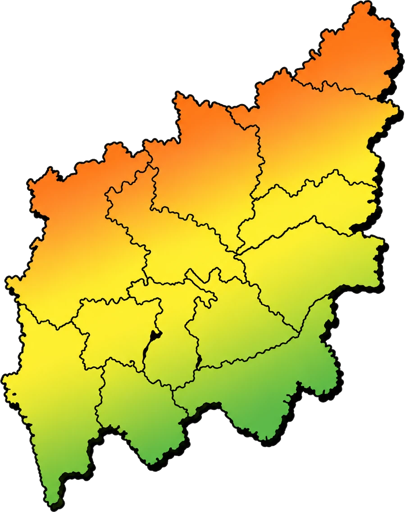
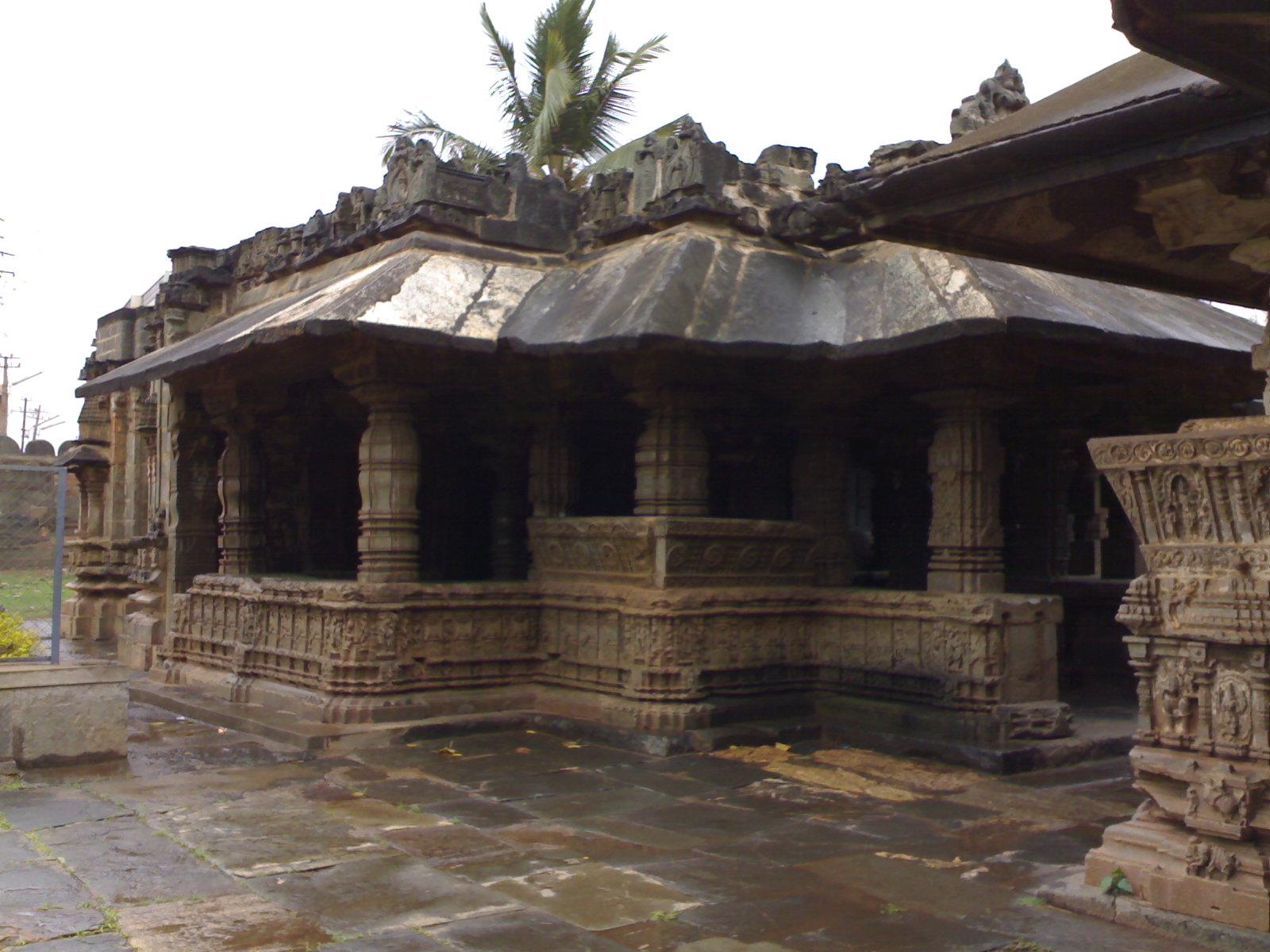
ಗದಗ ಉತ್ತರ ಕರ್ನಾಟಕದ ಕಿತ್ತೂರು ಕರ್ನಾಟಕ ಹೃದಯಭಾಗದಲ್ಲಿರುವ ಚಿಕ್ಕದಾದರೂ ಐತಿಹಾಸಿಕವಾಗಿ ಹೆಮ್ಮೆಯ ಜಿಲ್ಲೆ; ಇಲ್ಲಿ ಸುಮಾರು 10.6 ಲಕ್ಷ ಜನ ವಾಸಿಸುತ್ತಾರೆ (2011ರ ಜನಗಣತಿ: 10,64,570), ಅವರಲ್ಲಿ ಸುಮಾರು 64% ಮಂದಿ ಗ್ರಾಮೀಣರು ಹಾಗೂ ಬಹುತೇಕ ಮಳೆಯಾಶ್ರಿತವಾದ ದುರ್ಬಲ ಕೃಷಿಯ ಮೇಲೆ ಅವಲಂಬಿತರಾಗಿದ್ದಾರೆ. ಇದು ವೀರನಾರಾಯಣ ದೇವಸ್ಥಾನದ, ಕುಮಾರವ್ಯಾಸನ ಸಾಹಿತ್ಯ ಪರಂಪರೆಯ, ಮತ್ತು ಗದಗ-ಬೆಟಗೇರಿ ಅವಳಿ ನಗರಗಳಲ್ಲಿ ಎರಡು ಶತಮಾನಗಳಷ್ಟು ಹಳೆಯ ಕೈಮಗ್ಗ ಪರಂಪರೆಯ ಜಿಲ್ಲೆ. ಆದರೆ ಇಂದು ಗದಗ ಉತ್ತರ ಕರ್ನಾಟಕದ ಅಭಿವೃದ್ಧಿ ಚಳವಳಿಯ ಕೇಂದ್ರ ಅಳಲನ್ನು ಪ್ರತಿನಿಧಿಸುತ್ತದೆ: ಪರಂಪರೆ ಮತ್ತು ಮಾನವ ಸಂಪತ್ತಿನಲ್ಲಿ ಶ್ರೀಮಂತವಾದರೂ ನೀರಾವರಿ, ಉದ್ಯಮ ಮತ್ತು ಮೂಲಭೂತ ನಾಗರಿಕ ಸೌಕರ್ಯಗಳಿಂದ ಹಸಿದ ಭಾಗ. ಜಿಲ್ಲೆ ಹವಾಮಾನದ ಕ್ರೂರ ಎರಡು ಹೊರೆಗಳನ್ನು ಎದುರಿಸುತ್ತಿದೆ — ದುಡಿಯುವ ಕೈಗಳಿಂದ ಊರುಗಳನ್ನು ಬರಿದು ಮಾಡುವ ಪದೇ ಪದೇ ಬರಗಾಲ, ಜೊತೆಗೆ ಭಾರೀ ಮಳೆಯ ವರ್ಷಗಳಲ್ಲಿ ಅದೇ ರೈತರ ಹೊಲಗಳನ್ನು ಮುಳುಗಿಸುವ ಬೆಣ್ಣಿಹಳ್ಳ ಮತ್ತು ಮಲಪ್ರಭೆಯ ಮಿಂಚುಪ್ರವಾಹ. ಅವಳಿ ನಗರಗಳ ಕೆಲವು ಭಾಗಗಳಲ್ಲಿ ಕುಡಿಯುವ ನೀರು 15-20 ದಿನಗಳಿಗೊಮ್ಮೆ ಮಾತ್ರ ಬರುತ್ತದೆ; ಒಂದು ಕಾಲದಲ್ಲಿ 50,000 ಮಂದಿ ಇದ್ದ ಕೈಮಗ್ಗ ಸಮುದಾಯ ಈಗ 5,000 ಕುಟುಂಬಗಳಿಗಿಂತ ಕೆಳಗೆ ಕುಸಿದಿದೆ; ಮತ್ತು ಗದಗ ತಮಗೆ ಏನೂ ನೀಡುತ್ತಿಲ್ಲ ಎಂದು ಯುವಜನರು ಗೋವಾದ ಕಟ್ಟಡ ನಿರ್ಮಾಣ ಸ್ಥಳಗಳಿಗೆ ಮತ್ತು ಬೆಂಗಳೂರಿನ ಗಾರ್ಮೆಂಟ್ ಫ್ಯಾಕ್ಟರಿಗಳಿಗೆ ವಲಸೆ ಹೋಗುತ್ತಾರೆ. ಕಿತ್ತೂರು ಕಲ್ಯಾಣ ಕರ್ನಾಟಕ ಸೇನೆ ಪ್ರಾದೇಶಿಕ ನ್ಯಾಯಕ್ಕಾಗಿ ನಿಂತಿದೆ: ಸತತ ಸರ್ಕಾರಗಳು ಅರ್ಧದಲ್ಲಿ ಬಿಟ್ಟ ನೀರಾವರಿ ಜೀವನಾಡಿಗಳನ್ನು ಪೂರ್ಣಗೊಳಿಸುವುದು, ಗದಗದ ಗುರುತಾದ ನೇಯ್ಗೆ ಆರ್ಥಿಕತೆಯನ್ನು ಪುನರುಜ್ಜೀವಗೊಳಿಸುವುದು, ಮತ್ತು ಪ್ರಾದೇಶಿಕ ನಾಯಕರು ಪಕ್ಷಭೇದ ಮೀರಿ ಪದೇ ಪದೇ ಖಂಡಿಸಿರುವ ದಶಕಗಳ ನಿರ್ಲಕ್ಷ್ಯವನ್ನು ಕೊನೆಗೊಳಿಸುವುದು. (ಗಮನಿಸಿ: ಬಹುತೇಕ ಮೂಲ ಜನಸಂಖ್ಯಾ ಅಂಕಿಅಂಶಗಳು 2011ರ ಜನಗಣತಿಯವು — ಲಭ್ಯವಿರುವ ಅತ್ಯಂತ ಇತ್ತೀಚಿನ ಅಧಿಕೃತ ಅಂಕಿಅಂಶಗಳು; ಪ್ರಸ್ತುತ ಸಂಖ್ಯೆಗಳು ಇದಕ್ಕಿಂತ ಹೆಚ್ಚಿವೆ.)Gadag is a small but historically proud district in the Kittur Karnataka heartland of North Karnataka, home to roughly 10.6 lakh people (Census 2011: 10,64,570), about 64% of them rural and dependent on a fragile, largely rain-fed agriculture. It is the district of the Veeranarayana temple, the literary legacy of Kumaravyasa, and a two-century-old handloom tradition in the Gadag-Betageri twin cities. Yet today Gadag embodies the central grievance of the North Karnataka development movement: a region rich in heritage and human capital but starved of irrigation, industry and basic civic infrastructure. The district faces a cruel double burden of climate — recurring drought that empties villages of working hands, alongside flash flooding of the Bennihalla and Malaprabha that drowns the same farmers' fields in years of heavy rain. Drinking water arrives once every 15-20 days in parts of the twin cities; the once-50,000-strong handloom community has collapsed to under 5,000 families; and young people leave for Goa's construction sites and Bengaluru's garment factories because Gadag offers them little. The Kittur Kalyan Karnataka Sena stands for regional justice: completing the irrigation lifelines that successive governments have left half-built, reviving the weaving economy that is Gadag's identity, and ending the decades of neglect that the region's own leaders across parties have repeatedly condemned. (Note: most baseline demographic figures are Census 2011 — the most recent official figures available; current numbers are higher.)
ಜಿಲ್ಲೆಯಾದ್ಯಂತ ಬೇಸಿಗೆಯಲ್ಲಿ ನೀರು 15-20 ದಿನಗಳಿಗೊಮ್ಮೆ ಮಾತ್ರ ಪೂರೈಕೆಯಾಗುತ್ತದೆ, ಮತ್ತು ಸುಮಾರು 76 ಗ್ರಾಮಗಳು ತೀವ್ರ ನೀರಿನ ಅಭಾವದ ಹೆಚ್ಚಿನ ಅಪಾಯದಲ್ಲಿವೆ ಎಂದು ಗುರುತಿಸಲಾಗಿದೆ. ಗದಗ-ಮುಂಡರಗಿ-ಶಿರಹಟ್ಟಿ ಪಟ್ಟಿಯಲ್ಲಿ ಸುಮಾರು 40 MLD ಬೇಡಿಕೆಗೆ ಕೇವಲ 25-28 MLD ಮಾತ್ರ ಪೂರೈಸಲಾಗುತ್ತದೆ; ರೋಣ-ನರಗುಂದ ಪಟ್ಟಿಗೆ ~26 MLD ಬೇಕು ಆದರೆ 16-20 MLD ಸಿಗುತ್ತದೆ. ಗದಗ-ಬೆಟಗೇರಿ ಅವಳಿ ನಗರಗಳು ಇದನ್ನು ಸರಿಪಡಿಸಲು ಸುಮಾರು 500 ಕೋಟಿ ರೂ. ಯೋಜನೆ ಇದ್ದರೂ ದಶಕಗಳಿಂದ ಇದನ್ನು ಸಹಿಸಿಕೊಂಡಿವೆ. ಜಿಲ್ಲೆಯ ಸುಮಾರು 6,000 ಕೊಳವೆಬಾವಿಗಳಲ್ಲಿ ಅನೇಕವು ಬತ್ತಿಹೋಗಿವೆ; ಟ್ಯಾಂಕರ್ಗಳು (ಒಂದು ಬೇಸಿಗೆಯಲ್ಲಿ ಪುರಸಭೆ ನಿಯೋಜಿಸಿದ ಸುಮಾರು 19) ತಾತ್ಕಾಲಿಕ ಪರಿಹಾರವೇ ಹೊರತು ಶಾಶ್ವತ ಪರಿಹಾರವಲ್ಲ. (ಅಂಕಿಅಂಶಗಳು ಪ್ರಾದೇಶಿಕ ಪತ್ರಿಕಾ ವರದಿಯಿಂದ; MLD ಸಂಖ್ಯೆಗಳನ್ನು ವರದಿಯಾದ ಅಂದಾಜುಗಳೆಂದು ಪರಿಗಣಿಸಿ.)Across the district, water is supplied only once every 15-20 days during summer, and roughly 76 villages are flagged at high risk of severe scarcity. In the Gadag-Mundargi-Shirahatti belt, demand of about 40 MLD is met with only 25-28 MLD; the Ron-Nargund belt needs ~26 MLD but gets 16-20 MLD. The twin cities of Gadag-Betageri have endured this for decades despite a roughly Rs 500-crore plan to fix it. Of ~6,000 district borewells, many have run dry; tankers (about 19 deployed by the municipal council in one summer) are a band-aid, not a fix. (Figures from regional press reporting; treat MLD numbers as reported estimates.)
ಗದಗ ಬಹುತೇಕ ಮಳೆಯಾಶ್ರಿತ ಮತ್ತು ಬರಪೀಡಿತ, ಆದರೆ ಅದನ್ನು ಕಾಪಾಡಬೇಕಿದ್ದ ನೀರಾವರಿ ಯೋಜನೆಗಳು ದಶಕಗಳ ನಂತರವೂ ಅಪೂರ್ಣವಾಗಿಯೇ ಉಳಿದಿವೆ. ತುಂಗಭದ್ರಾ ನದಿಯ ಮೇಲಿನ ಸಿಂಗಟಾಲೂರು ಏತ ನೀರಾವರಿ ಯೋಜನೆ (ಮುಂಡರಗಿ ತಾಲೂಕಿನ ಹಮ್ಮಿಗೆ ಬಳಿ ಬ್ಯಾರೇಜ್) ಸುಮಾರು 1998ರಲ್ಲಿ ರೂಪಿತವಾಯಿತು ಮತ್ತು ಗದಗ, ಕೊಪ್ಪಳ ಹಾಗೂ ಬಳ್ಳಾರಿಯಾದ್ಯಂತ 1,07,000 ಹೆಕ್ಟೇರ್ಗೂ ಹೆಚ್ಚು ಪ್ರದೇಶಕ್ಕೆ ನೀರಾವರಿ ಒದಗಿಸಲು ವಿನ್ಯಾಸಗೊಂಡಿದೆ — ಆದರೆ 13ಕ್ಕೂ ಹೆಚ್ಚು ವರ್ಷಗಳ ಕಾಯುವಿಕೆ ರೈತರ ನಂಬಿಕೆಯನ್ನು ಸವೆಸಿತು; ~10,080 ಹೆಕ್ಟೇರ್ನ ಪ್ರಾಯೋಗಿಕ ಪ್ಯಾಕೇಜ್ ಅನ್ನು 2017-18ರಲ್ಲಷ್ಟೇ ನೀಡಲಾಯಿತು. ಉತ್ತರ ಕರ್ನಾಟಕದ ನಾಲ್ಕು ಜಿಲ್ಲೆಗಳಲ್ಲಿ ಗದಗಕ್ಕೂ ಲಾಭ ನೀಡಬೇಕಿದ್ದ ಕಳಸಾ-ಬಂಡೂರಿ (ಮಹದಾಯಿ) ಕುಡಿಯುವ ನೀರಿನ ತಿರುವು ಯೋಜನೆ, ಅಂತರ್ರಾಜ್ಯ ವಿವಾದದ ನಡುವೆ 1980ರ ದಶಕದ ಆರಂಭದಿಂದ ಕಾಗದದ ಮೇಲೆಯೇ ನಿಂತಿದೆ. ಇವು ಜಿಲ್ಲೆಯ ಕಾಣೆಯಾದ ನೀರಿನ ಭದ್ರತೆ.Gadag is overwhelmingly rain-fed and drought-prone, yet the irrigation projects meant to rescue it remain incomplete after decades. The Singatalur Lift Irrigation Scheme on the Tungabhadra (barrage near Hammige, Mundargi taluk) was conceived around 1998 and is designed to irrigate over 1,07,000 hectares across Gadag, Koppal and Ballari — but a 13-plus year wait eroded farmers' faith, with a pilot package of ~10,080 ha only awarded in 2017-18. The Kalasa-Banduri (Mahadayi) drinking-water diversion, meant to benefit Gadag among four NK districts, has been stuck on paper since the early 1980s amid an inter-state dispute. These are the district's missing water security.
ಗದಗ-ಬೆಟಗೇರಿಯ ಕೈಮಗ್ಗ ನೇಯ್ಗೆ ಕ್ಲಸ್ಟರ್ ಒಂದು ಕಾಲದಲ್ಲಿ 50,000ಕ್ಕೂ ಹೆಚ್ಚು ಕುಟುಂಬಗಳಿಗೆ ಆಧಾರವಾಗಿತ್ತು (ಮತ್ತು ಬೆಟಗೇರಿಯಲ್ಲೇ ಐತಿಹಾಸಿಕವಾಗಿ ಸುಮಾರು 20,000 ನೇಕಾರರನ್ನು ತೊಡಗಿಸಿಕೊಂಡಿತ್ತು), ಪ್ರಸಿದ್ಧ ಇಳಕಲ್ ಮತ್ತು ಗದಿ-ದಾದಿ ಸೀರೆಗಳನ್ನು ತಯಾರಿಸುತ್ತಿತ್ತು. ಆ ಸಂಖ್ಯೆ 5,000 ಕುಟುಂಬಗಳಿಗಿಂತ ಕೆಳಗೆ ಕುಸಿದಿದೆ — ಸುಮಾರು 90% ಇಳಿಕೆ — ಪವರ್ಲೂಮ್ಗಳಿಂದ (1960-70ರ ದಶಕದ ಅಂತ್ಯದಿಂದ), ಅಗ್ಗದ ಪಾಲಿಯೆಸ್ಟರ್ನಿಂದ, ಕೈಮಗ್ಗ ಬಟ್ಟೆಯ ಮೇಲಿನ ಹೊಸ 5% ಜಿಎಸ್ಟಿಯಿಂದ, ಮತ್ತು ದುರ್ಬಲ ಯೋಜನಾ ಜಾರಿಯಿಂದ ಹೊರದೂಡಲ್ಪಟ್ಟಿದೆ. ನೇಕಾರ ಸಮ್ಮಾನ ಯೋಜನೆ (ನೇಕಾರನಿಗೆ 5,000 ರೂ.) ಮುಂತಾದ ಯೋಜನೆಗಳು ಲಂಚ ಕೇಳಿದ ನಂತರವಷ್ಟೇ ತಮಗೆ ತಲುಪುತ್ತವೆ ಎಂದು ನೇಕಾರರು ಆರೋಪಿಸುತ್ತಾರೆ. ಯುವ ಕಾರ್ಮಿಕರು ಮಗ್ಗವನ್ನು ಬಿಟ್ಟು ಬೆಂಗಳೂರಿನ ಗಾರ್ಮೆಂಟ್ ಫ್ಯಾಕ್ಟರಿಗಳ ಕಡೆ ಹೋಗುತ್ತಾರೆ.The handloom weaving cluster of Gadag-Betageri once supported over 50,000 families (and historically engaged around 20,000 weavers in Betageri alone), producing famed Ilkal and Gadi-dadi sarees. That number has crashed to under 5,000 families — a roughly 90% decline — pushed out by power looms (from the late 1960s-70s), cheap polyester, a new 5% GST on handloom fabric, and weak scheme delivery. Weavers allege schemes like Nekara Saman Yojana (Rs 5,000/weaver) reach them only after demanding bribes. Younger workers abandon the loom for garment factories in Bengaluru.
ಪದೇ ಪದೇ ಬರಗಾಲ ಗ್ರಾಮಸ್ಥರನ್ನು ಕೆಲಸಕ್ಕಾಗಿ ವಲಸೆ ಹೋಗುವಂತೆ ಒತ್ತಾಯಿಸುತ್ತದೆ — ಗೋವಾ, ಮಂಗಳೂರು, ಮಹಾರಾಷ್ಟ್ರ ಮತ್ತು ಅದರಾಚೆಗೆ. ಲಕ್ಷ್ಮೇಶ್ವರ ಬಳಿಯ ವರವಿ, ಚಬ್ಬಿ ಮತ್ತು ಕುಂದ್ರಳ್ಳಿಯಂತಹ ಗ್ರಾಮಗಳಿಂದ 500ಕ್ಕೂ ಹೆಚ್ಚು ಜನ ಹೊರಟಿರುವುದನ್ನು, ಮತ್ತು ಮುಂಡರಗಿ ತಾಲೂಕಿನ ದೋಣಿ ತಾಂಡಾ ಹಾಡಿಯಿಂದ ಸುಮಾರು 150 ಕುಟುಂಬಗಳು ಮಹಾರಾಷ್ಟ್ರ ಮತ್ತು ಗೋವಾದಲ್ಲಿ ಉದ್ಯೋಗ ಅರಸಿ ಊರು ತೊರೆದಿರುವುದನ್ನು ವರದಿಗಳು ದಾಖಲಿಸಿವೆ. ವಲಸಿಗರು ದಿನಕ್ಕೆ ಸುಮಾರು 600 ರೂ.ಗೆ ಕಟ್ಟಡ ಕಾರ್ಮಿಕರಾಗಿ ದುಡಿಯುತ್ತಾರೆ, ಮತ್ತು ಊರಲ್ಲೇ ಉಳಿಯುವಂತೆ ಮಾಡುವ ಅನಿಯಮಿತ ಎಂಜಿಎನ್ಆರ್ಇಜಿಎಸ್ ಕೆಲಸ ಹಾಗೂ ವಿಳಂಬವಾದ ಕೂಲಿಯ ಬಗ್ಗೆ ಅಳಲುಗಳು ಮುಂದುವರಿದಿವೆ.Recurrent drought forces villagers to migrate for work — to Goa, Mangaluru, Maharashtra and beyond. Reporting has documented over 500 people leaving villages such as Varavi, Chabbi and Kundralli near Lakshmeshwar, and around 150 families deserting the hamlet of Doni Thanda in Mundargi taluk in search of jobs in Maharashtra and Goa. Migrants work as construction labour for roughly Rs 600/day, and grievances persist over irregular MGNREGS work and delayed wages that would let them stay home.
ಮಳೆ ಹೆಚ್ಚಿರುವ ವರ್ಷಗಳಲ್ಲಿ, ಕುಡಿಯುವ ನೀರಿಗಾಗಿ ಬೇಡುವ ಅದೇ ಜಿಲ್ಲೆ ಬೆಣ್ಣಿಹಳ್ಳ ಮತ್ತು ಮಲಪ್ರಭಾ ನದಿ ಅಪಾಯ ಮಟ್ಟ ಮೀರಿ ಉಕ್ಕಿ ಹೊಲಗಳನ್ನು ಮುಳುಗಿಸುವುದನ್ನು ಕಾಣುತ್ತದೆ. ಒಂದೇ ಮಳೆಗಾಲದಲ್ಲಿ ಬೆಣ್ಣಿಹಳ್ಳ ಬಳಿ ಸುಮಾರು 800 ಹೆಕ್ಟೇರ್ ಮತ್ತು ನರಗುಂದ ತಾಲೂಕಿನಲ್ಲಿ ಸುಮಾರು 500 ಹೆಕ್ಟೇರ್ ಪ್ರದೇಶಕ್ಕೆ ಭಾರೀ ಮಳೆ ಹಾನಿ ಮಾಡಿದೆ, ಮೆಣಸಿನಕಾಯಿ, ಈರುಳ್ಳಿ, ಮೆಕ್ಕೆಜೋಳ, ಸೂರ್ಯಕಾಂತಿ, ಜೋಳ ಮತ್ತು ಸಜ್ಜೆಗೆ ಪೆಟ್ಟು ಬಿದ್ದಿದೆ. ಪ್ರವಾಹ ನಿಯಂತ್ರಣ ಮತ್ತು ನೀರು ಸಂಗ್ರಹ ಮೂಲಸೌಕರ್ಯದ ಕೊರತೆಯಿಂದ ಗದಗ ಮುಂಗಾರಿನ ಎರಡೂ ತೀವ್ರತೆಗಳಲ್ಲಿ ನೋವುಣ್ಣುತ್ತದೆ.In wet years the same district that begs for drinking water sees the Bennihalla stream and Malaprabha river overflow danger levels, inundating fields. Heavy rain has damaged roughly 800 hectares near Bennihalla and around 500 hectares in Nargund taluk in a single spell, hitting chilli, onion, maize, sunflower, jowar and bajra. The absence of flood-control and water-harvesting infrastructure means Gadag is hurt at both extremes of the monsoon.
ಗದಗದಲ್ಲಿ ಈಗ ಗದಗ ವೈದ್ಯಕೀಯ ವಿಜ್ಞಾನ ಸಂಸ್ಥೆ ಮತ್ತು ಸುಮಾರು 410 ಹಾಸಿಗೆಗಳ ಜಿಲ್ಲಾ ಆಸ್ಪತ್ರೆ ಇದ್ದರೂ, ಗ್ರಾಮೀಣ ಆರೋಗ್ಯ ಸೇವೆ ತೀರಾ ತೆಳುವಾಗಿದೆ. ಒಂದು ಜಿಲ್ಲಾ ಅಧ್ಯಯನದ ಪ್ರಕಾರ ಕೇವಲ ಒಂದು ಸಮುದಾಯ ಆರೋಗ್ಯ ಕೇಂದ್ರದಲ್ಲಿ ಮಾತ್ರ ವೈದ್ಯ ಮತ್ತು ಸಾಮಾನ್ಯ ಶಸ್ತ್ರಚಿಕಿತ್ಸಕ ಇದ್ದರು, ಯಾವ ಸಿಎಚ್ಸಿಯಲ್ಲೂ ಪ್ರಸೂತಿ-ಸ್ತ್ರೀರೋಗ ತಜ್ಞರಿರಲಿಲ್ಲ, ಮತ್ತು ಕೆಲವು ಉಪ-ಜಿಲ್ಲಾ ಆಸ್ಪತ್ರೆಗಳಲ್ಲಷ್ಟೇ ಮಕ್ಕಳ ತಜ್ಞರು ಅಥವಾ ಸಾಮಾನ್ಯ ವೈದ್ಯರಿದ್ದರು — ಇದರಿಂದ ಗರ್ಭಿಣಿಯರು ಮತ್ತು ಗ್ರಾಮೀಣ ಬಡವರು ಸೇವೆಯಿಂದ ವಂಚಿತರಾಗಿದ್ದಾರೆ. (ಪ್ರಕಟಿತ ಸೌಲಭ್ಯ-ಮೌಲ್ಯಮಾಪನ ಅಧ್ಯಯನದ ಫಲಿತಾಂಶಗಳು; ತಜ್ಞ ಸಿಬ್ಬಂದಿ ನಿಯೋಜನೆಯನ್ನು ಪ್ರಸ್ತುತ ಹುದ್ದೆಗಳಿಗೆ ಹೋಲಿಸಿ ಮರು-ಪರಿಶೀಲಿಸಬೇಕು.)While Gadag now has the Gadag Institute of Medical Sciences and a ~410-bed district hospital, rural healthcare remains thin. A district study found only one Community Health Centre had a physician and general surgeon, none of the CHCs had an obstetrician-gynaecologist, and only some sub-district hospitals had paediatricians or general physicians — leaving expecting mothers and the rural poor under-served. (Findings from a published facility-assessment study; specialist staffing should be re-verified against current posts.)
ಗದಗದಲ್ಲಿ ತನ್ನ ವಿದ್ಯಾವಂತ ಯುವಜನರನ್ನು ಹೀರಿಕೊಳ್ಳುವಂತಹ ದೊಡ್ಡ ಪ್ರಮಾಣದ ಕೈಗಾರಿಕೆ ಬಹುತೇಕ ಇಲ್ಲ; ಸ್ಥಳೀಯ ಕೈಮಗ್ಗ ಅಥವಾ ಕೃಷಿ ಕೆಲಸಕ್ಕಿಂತ ಹೆಚ್ಚಿನ ಕೂಲಿಗಾಗಿ ಅವರು ಬೆಂಗಳೂರಿನ ಗಾರ್ಮೆಂಟ್ ಫ್ಯಾಕ್ಟರಿಗಳಿಗೆ ಮತ್ತು ಇತರ ನಗರಗಳಿಗೆ ಹೋಗುತ್ತಾರೆ. ಕರ್ನಾಟಕ ಮಾನವ ಅಭಿವೃದ್ಧಿ ವರದಿ 2022ರಲ್ಲಿ ಜಿಲ್ಲೆಯನ್ನು ಬಡತನ ಮತ್ತು ಪೌಷ್ಟಿಕಾಂಶದ ಕಳವಳಗಳಿಗೆ ಗುರುತಿಸಲಾಗಿದೆ. ಬಹುಕಾಲದಿಂದ ಭರವಸೆ ನೀಡಲಾದ ಗದಗ-ವಾಡಿ ರೈಲ್ವೆ (257 ಕಿ.ಮೀ, ಮೂಲತಃ ~1,922 ಕೋಟಿ ರೂ., ನಂತರ ಮೇಲ್ಮುಖವಾಗಿ ಪರಿಷ್ಕರಿಸಲಾಗಿದೆ) — ಮೇ 2025ರಲ್ಲಿ ಭಾಗಶಃ ತೆರೆಯಲ್ಪಟ್ಟು ಮಾರ್ಚ್ 2026ರ ವೇಳೆಗೆ ಪೂರ್ಣಗೊಳ್ಳುವ ಗುರಿ ಹೊಂದಿದೆ — ಈ ತೆರನಾದ ಸಂಪರ್ಕವನ್ನು ಈಗ ಕೇವಲ ರೈಲು ಹಳಿಗಳಲ್ಲ, ನಿಜವಾದ ಕೈಗಾರಿಕೆ, ಜವಳಿ ಪಾರ್ಕ್ ಮತ್ತು ಮೌಲ್ಯವರ್ಧನೆಯೊಂದಿಗೆ ಹೊಂದಿಸಬೇಕು.Gadag has almost no large-scale industry to absorb its educated youth, who leave for Bengaluru's garment factories and other cities for higher wages than local handloom or farm work can offer. The district is also flagged for poverty and nutrition concerns in the Karnataka Human Development Report 2022. The long-promised Gadag-Wadi railway (257 km, ~Rs 1,922 crore originally, since revised upward) — partially opened in May 2025 and targeted for completion by March 2026 — is the kind of connectivity that must now be matched with actual industry, a textile park and value-addition, not just rail tracks.