ಉತ್ತರ ಕರ್ನಾಟಕದ ನ್ಯಾಯ, ನೀರು, ಉದ್ಯೋಗ ಮತ್ತು ಸ್ವಾಭಿಮಾನಕ್ಕಾಗಿ ಜನರ ಚಳವಳಿ.Bagalkot gave its homes to the Krishna — now it asks the State to keep its promises.
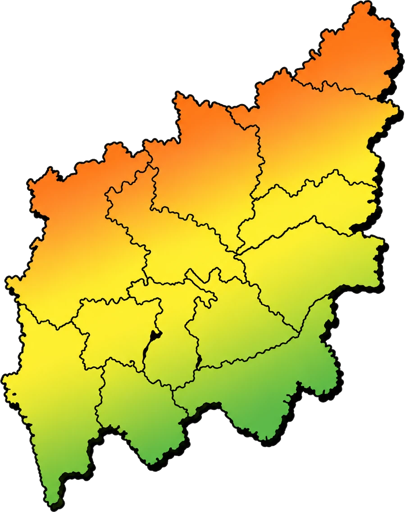
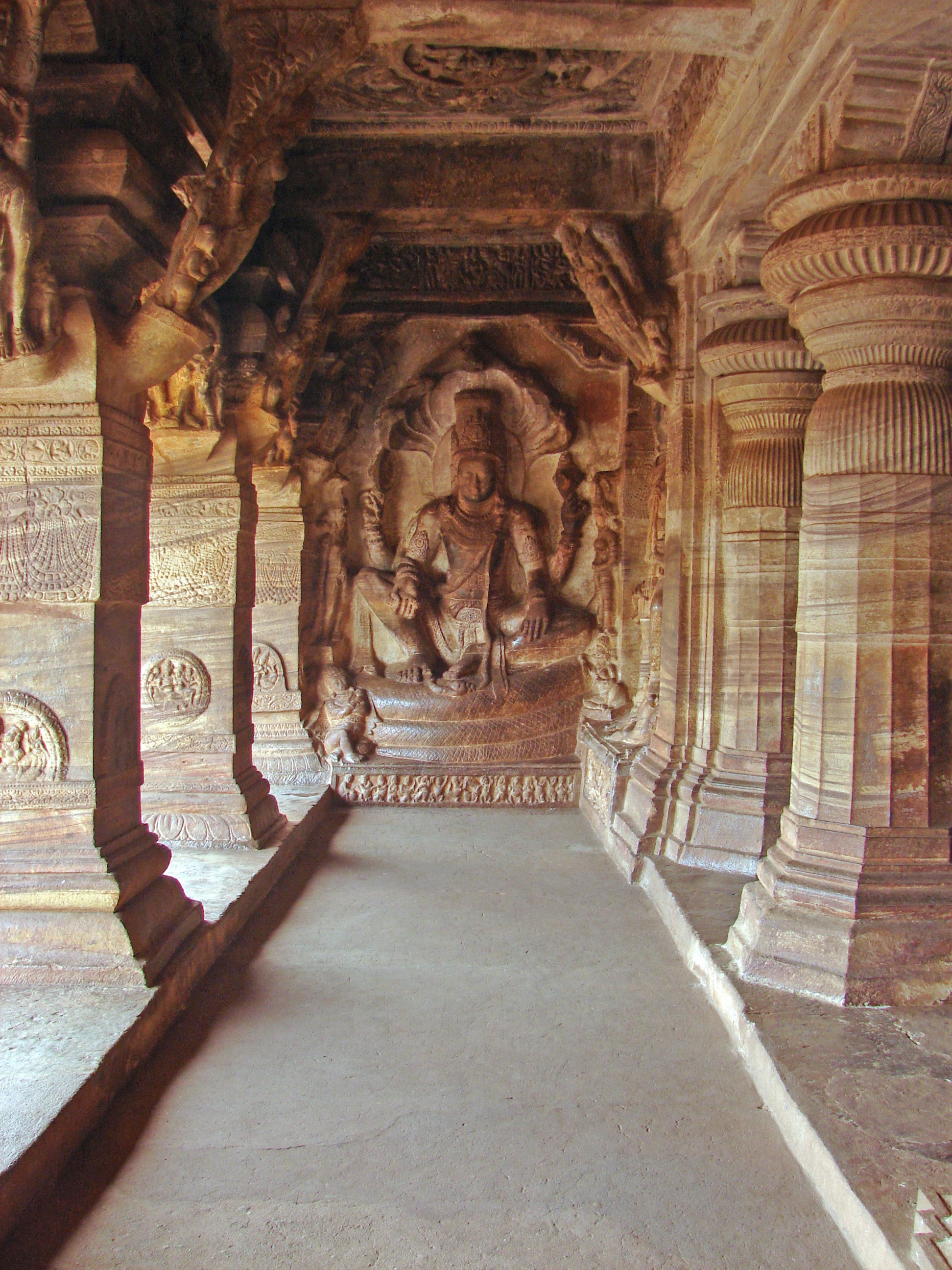
"ಬಾಗಲಕೋಟೆ ತನ್ನ ಮನೆಗಳನ್ನು ಕೃಷ್ಣೆಗೆ ಒಪ್ಪಿಸಿತು — ಈಗ ತನ್ನ ಮಾತು ಉಳಿಸಿಕೊಳ್ಳಬೇಕೆಂದು ಸರಕಾರವನ್ನು ಕೇಳುತ್ತಿದೆ." ಬಾಗಲಕೋಟೆ ನದಿಗಳಿಂದ ಸಮೃದ್ಧವಾದ ಜಿಲ್ಲೆ — 18.89 ಲಕ್ಷ ಜನಸಂಖ್ಯೆ ಇದ್ದರೂ ವಿಚಿತ್ರ ವಿರೋಧಾಭಾಸಗಳನ್ನು ಎದುರಿಸುತ್ತಿದೆ. ಒಂದು ಕಡೆ ಯಥೇಚ್ಛ ನೀರಿನ ಸಂಪತ್ತು, ಮತ್ತೊಂದು ಕಡೆ ಬೇಸಿಗೆಯಲ್ಲಿ ಕುಡಿಯುವ ನೀರಿಗೆ ಹಾಹಾಕಾರ; ದಶಕಗಟ್ಟಲೆ ಭೂಮಿಯನ್ನು ಮೇಲ್ದಂಡೆ ಕೃಷ್ಣಾ ಯೋಜನೆಗೆ (Upper Krishna Project) ಒಪ್ಪಿಸಿದರೂ ಸರಿಯಾದ ಪರಿಹಾರ ದೊರೆಯಲಿಲ್ಲ. ಮುಖ್ಯ ಸಮಸ್ಯೆಗಳು — ಯುಕೆಪಿ 3ನೇ ಹಂತದ ಸಂತ್ರಸ್ತತೆ ಸುಮಾರು 1 ಲಕ್ಷ ಜನರ ಮೇಲೆ ಪರಿಣಾಮ ಬೀರುತ್ತದೆ; ಅಂತರ್ಜಲದಲ್ಲಿ ತೀವ್ರ ಫ್ಲೋರೈಡ್ ಮಾಲಿನ್ಯ (ಸುರಕ್ಷಿತ ಮಿತಿ 1.0 mg/L ಆದರೆ ಇಲ್ಲಿ 6-6.5 mg/L ತನಕ); ಕಬ್ಬಿನ ಬಿಲ್ಲು ಪಾವತಿ ವಿಳಂಬ; ಮತ್ತು 2000ರಿಂದ ದಾಖಲಾಗಿರುವ ಪ್ರಾದೇಶಿಕ ಹಿಂದುಳಿದಿರುವಿಕೆ.Bagalkot is a sugar-and-stone district of roughly 1.9 million people (1,889,752 as per Census 2011, so the figure today is materially higher) on the banks of the Krishna, Malaprabha and Ghataprabha rivers, and the cradle of Chalukya architecture at Badami, Aihole and the UNESCO World Heritage site of Pattadakal. It is also one of North Karnataka's most striking paradoxes: a river-rich district that struggles every summer for safe drinking water, and a district that has literally surrendered its land to a State irrigation dream for over six decades without being made whole. The defining wound is the Upper Krishna Project (UKP). Foundation laid by PM Lal Bahadur Shastri in 1964, its Almatti dam submerged much of old Bagalkot town, forcing the creation of the relocated township of Navanagar (master-planned by architect Charles Correa). Phase 3 of UKP — raising the Almatti dam height (reported from 519m to 524m) to add about 130 TMC of storage — requires roughly 1.33 lakh acres and would submerge around 20 villages in Bagalkot and Vijayapura, displacing on the order of a lakh people. Decades on, thousands of land-losers still await fair compensation and rehabilitation; tens of thousands have gone to court for higher payouts. This is the single largest live grievance in the district. Layered on top is acute agrarian distress (sugarcane dues running into hundreds of crores, recurring price agitations), the highest-end groundwater contamination in the country (a 2024 assessment ranked Bagalkot among India's most polluted districts for groundwater, with severe fluoride and fluorosis risk), summer drinking-water shortages, and the structural backwardness of North Karnataka documented since the Nanjundappa Committee (2000). The Kittur Kalyan Karnataka Sena's stand for Bagalkot is simple: finish UKP, pay the land-losers fairly and fast, give every village safe drinking water, clear cane dues on time, and end the decades of regional neglect that the data itself confirms. Note: figures below are drawn from press reports and official/census sources and are cited; where numbers are approximate or disputed (e.g., exact displaced-population counts, dam height), this is flagged explicitly.
ಆಲಮಟ್ಟಿ ಅಣೆಕಟ್ಟೆಯ ಎತ್ತರ ಹೆಚ್ಚಿಸುವುದರಿಂದ (519 ಮೀ.ನಿಂದ 524 ಮೀ.ಗೆ, +130 TMC ಸಂಗ್ರಹ) 1.33 ಲಕ್ಷ ಎಕರೆ ಭೂಮಿ ಬೇಕಾಗುತ್ತದೆ ಹಾಗೂ ಸುಮಾರು 20 ಹಳ್ಳಿಗಳು ಮುಳುಗಡೆಯಾಗಿ ಸುಮಾರು 1 ಲಕ್ಷ ಜನ ಸಂತ್ರಸ್ತರಾಗುತ್ತಾರೆ. 2024-25ರ ಹೊತ್ತಿಗೆ ಸುಮಾರು 45,000 ಭೂಮಾಲೀಕರು ನ್ಯಾಯಯುತ ಪರಿಹಾರಕ್ಕಾಗಿ ನ್ಯಾಯಾಲಯದ ಮೆಟ್ಟಿಲೇರಿದ್ದಾರೆ. ಸರಕಾರದ ಪರಿಹಾರ ಪ್ಯಾಕೇಜ್: "ಎಕರೆಗೆ 40 ಲಕ್ಷ ರೂ. (ನೀರಾವರಿ) ಮತ್ತು ಎಕರೆಗೆ 30 ಲಕ್ಷ ರೂ. (ಒಣಭೂಮಿ)."UKP-3 (raising the Almatti dam, reported ~519m to ~524m, adding ~130 TMC storage) needs roughly 1.33 lakh acres and is set to submerge about 20 villages across Bagalkot and Vijayapura, affecting on the order of a lakh people. As of 2024-25, notifications had been issued for only a fraction of the required land, large stretches were still un-acquired, and nearly 45,000 landowners had approached courts seeking fairer compensation. The State indicated a relief package of around Rs 40 lakh/acre (irrigated) and Rs 30 lakh/acre (dry land), but disbursement and rehabilitation remain slow. Exact current displaced-family counts vary by source and stage of acquisition.
ಮೂರು ನದಿಗಳಿದ್ದರೂ ಬೇಸಿಗೆಯಲ್ಲಿ ತೀವ್ರ ನೀರಿನ ಕೊರತೆ; ಹಾಳುಬಿದ್ದ RO ಘಟಕಗಳು; ಹೆಚ್ಚು ಫ್ಲೋರೈಡ್ ಇರುವ ಬೋರ್ವೆಲ್ಗಳ ಮೇಲೆ ಅವಲಂಬನೆ. "2024ರ ರಾಷ್ಟ್ರೀಯ ಅಂತರ್ಜಲ ಮೌಲ್ಯಮಾಪನವು ಬಾಗಲಕೋಟೆಯನ್ನು ಭಾರತದ ಅತ್ಯಂತ ಮಾಲಿನ್ಯಗೊಂಡ ಜಿಲ್ಲೆಗಳಲ್ಲೊಂದು ಎಂದು ಪಟ್ಟಿ ಮಾಡಿದ್ದು, ಆರು ಗುಣಮಟ್ಟ ಸೂಚಕಗಳಲ್ಲಿ ಐದು ಅಸುರಕ್ಷಿತ." ಸುರಕ್ಷಿತ ಮಿತಿ 1.0 mg/L ಆದರೆ ಫ್ಲೋರೈಡ್ ಪ್ರಮಾಣ 6-6.5 mg/L ತನಕ ದಾಖಲಾಗಿದ್ದು, ವ್ಯಾಪಕ ಫ್ಲೋರೋಸಿಸ್ಗೆ ಕಾರಣವಾಗುತ್ತಿದೆ.Despite three rivers, Bagalkot faces acute summer drinking-water shortage (reported from early March 2025) as the Krishna's level and the water table drop, many village RO plants lie defunct, and people fall back on high-fluoride borewell water. A 2024 national groundwater assessment ranked Bagalkot among India's most contaminated districts, with five of six quality indicators unsafe; granite-belt fluoride has been recorded as high as ~6 to 6.5 mg/L against a 1.0 mg/L safe limit, driving endemic fluorosis. This is a direct public-health emergency.
ಜಿಲ್ಲೆಯಲ್ಲಿ ಸುಮಾರು 12 ಸಕ್ಕರೆ ಕಾರ್ಖಾನೆಗಳಿವೆ. ಕಾರ್ಖಾನೆಗಳು ಒಂದು ಹಂತದಲ್ಲಿ "ಸುಮಾರು 203 ಕೋಟಿ ರೂ. ಕಬ್ಬಿನ ಬಾಕಿ" ಉಳಿಸಿಕೊಂಡಿದ್ದವು. 2025ರ ನವೆಂಬರ್ ಮುಧೋಳ ಘಟನೆ: ಕಾರ್ಖಾನೆಗಳು "ಟನ್ಗೆ 3,300 ರೂ. ಹಾಗೂ ಬಾಕಿ ಮೊತ್ತವನ್ನು 14 ದಿನಗಳೊಳಗೆ ತೀರಿಸಲು" ಒಪ್ಪುವ ಮೊದಲು "20ಕ್ಕೂ ಹೆಚ್ಚು ಟ್ರಾಕ್ಟರ್ಗಳು ಮತ್ತು 100ಕ್ಕೂ ಹೆಚ್ಚು ಕಬ್ಬಿನ ಲೋಡ್ಗಳು ಸುಟ್ಟುಹೋದವು."Bagalkot is one of Karnataka's largest sugar belts (about 12 operating sugar factories). Farmers have repeatedly been forced to agitate over delayed payments — at one point factories in the district owed roughly Rs 203 crore in cane arrears, and the DC had to order clearance. As recently as November 2025, a stir near Mudhol (Godavari/Sameerwadi factory) turned violent (20-plus tractors and 100-plus cane loads gutted) before factories agreed to Rs 3,300/tonne and to clear pending dues within 14 days. Late payment of FRP and arbitrary pricing remain a structural grievance every crushing season.
ಸ್ಥಳಾಂತರಗೊಂಡ ನವನಗರ ಪಟ್ಟಣ ಕಳಪೆ ಸಾರಿಗೆ, ನಿರುದ್ಯೋಗ ಮತ್ತು ಅಪೂರ್ಣ ಮೂಲಸೌಕರ್ಯದಿಂದ ನರಳುತ್ತಿದೆ. ಹಿಂದಿನ ಪುನರ್ವಸತಿ ಹಂತಗಳಲ್ಲಿ ಆದ ವಿಳಂಬ ಮತ್ತು ಲೋಪಗಳು 3ನೇ ಹಂತದ ವಿಶ್ವಾಸಾರ್ಹತೆಯನ್ನು ಕುಗ್ಗಿಸಿವೆ.The relocated township of Navanagar, built to rehouse those submerged by the Almatti dam, has long suffered poor transport, joblessness and incomplete civic infrastructure, and earlier phases of rehabilitation were dogged by delays and lacunae. Many families displaced in earlier UKP stages were never fully resettled or compensated — a credibility deficit that now haunts the Phase-3 promise.
"ಕೈಗಾರಿಕಾ/ಸೇವಾ ಕ್ಷೇತ್ರದ ಉದ್ಯೋಗಗಳು ಕಡಿಮೆ" ಇರುವುದರಿಂದ ಜನ ಹುಬ್ಬಳ್ಳಿ, ಬೆಂಗಳೂರು, ಪುಣೆ ಕಡೆಗೆ ಸಂಕಷ್ಟ ವಲಸೆ ಹೋಗುತ್ತಾರೆ. ಅಸಮರ್ಪಕ MGNREGA ಅನುಷ್ಠಾನ ನಗರ ಆದಾಯವನ್ನು ಬದಲಿಸಲು ಸಾಲದು.With incomes tied to rain-fed and cane farming and few industrial/service jobs, Bagalkot sees distress out-migration of labour and youth, and patchy MGNREGA implementation does not fully substitute for urban earnings. The district lacks a large employment anchor beyond sugar and tourism, pushing working-age people toward Hubballi, Bengaluru, Pune and beyond.
"ನಂಜುಂಡಪ್ಪ ಸಮಿತಿ (2000) ಈ ಭಾಗವನ್ನು ಅತಿ ಹೆಚ್ಚು ಹಿಂದುಳಿದಿದೆ ಎಂದು ಗುರುತಿಸಿತು — ಉತ್ತರ ಕರ್ನಾಟಕದಲ್ಲಿ 59 ಹಿಂದುಳಿದ ತಾಲ್ಲೂಕುಗಳಿದ್ದು (26 'ಅತ್ಯಂತ ಹಿಂದುಳಿದ'), ದಕ್ಷಿಣದಲ್ಲಿ 55 (13 'ಅತ್ಯಂತ ಹಿಂದುಳಿದ')." "2019-20ರಲ್ಲಿ ಕರ್ನಾಟಕದ ಬಡವರಲ್ಲಿ ಸುಮಾರು 47% ಮಂದಿ ಉತ್ತರ ಕರ್ನಾಟಕದ ಐದು ಜಿಲ್ಲೆಗಳಲ್ಲೇ ಕೇಂದ್ರೀಕೃತರಾಗಿದ್ದರು."Bagalkot sits in a region the State's own Nanjundappa Committee (2000) flagged as disproportionately backward — North Karnataka had 59 backward taluks (26 'most backward') versus the south's 55 (13 'most backward'). In 2019-20, about 47% of Karnataka's poor were concentrated in five North Karnataka districts. Per-capita income, sanitation and health indicators trail the south, and Special Development Plan / regional-board funds have historically been under-utilised.
ಘಟಪ್ರಭಾ ಮತ್ತು ಮಲಪ್ರಭಾ ಯೋಜನೆಗಳಿದ್ದರೂ ಹಳೆಯ, ಲೈನಿಂಗ್ ಇಲ್ಲದ ಕಾಲುವೆಗಳಿಂದ ನೀರು ಪೂರೈಕೆ ಕಡಿಮೆಯಾಗಿದೆ. "ಸುಮಾರು 573 ಕೋಟಿ ರೂ. ಘಟಪ್ರಭಾ ಆಧುನೀಕರಣ" ಘೋಷಿಸಲಾಗಿದ್ದರೂ ಅದು ಅಪೂರ್ಣವಾಗಿಯೇ ಉಳಿದಿದೆ. ಹುಬ್ಬಳ್ಳಿ-ಧಾರವಾಡ ಕೈಗಾರಿಕೆಗೆ ನೀರು ತಿರುಗಿಸುವ ವಿಚಾರದಲ್ಲಿ ಘರ್ಷಣೆ ಇದೆ.Even within the command areas of the Ghataprabha (Hidkal dam) and Malaprabha systems, tail-end farmers complain of insufficient water due to ageing, unlined canals. Canal modernisation has been announced in stages (e.g., a roughly Rs 573 crore Ghataprabha modernisation), but delivery to the last field remains uneven — and there is friction over diverting Hidkal/Ghataprabha water to Hubballi-Dharwad industry.
ಜಿಲ್ಲೆ ಹೆಚ್ಚಾಗಿ ಎಸ್. ನಿಜಲಿಂಗಪ್ಪ ವೈದ್ಯಕೀಯ ಕಾಲೇಜು ಮತ್ತು HSK ಆಸ್ಪತ್ರೆಯ ಮೇಲೆ ಅವಲಂಬಿತವಾಗಿದೆ (2004ರಲ್ಲಿ 114 ಎಕರೆ ನವನಗರ ಕ್ಯಾಂಪಸ್ಗೆ ಸ್ಥಳಾಂತರ). ಸಾಮರ್ಥ್ಯ ಮತ್ತು ಗುಣಮಟ್ಟದ ಬಗ್ಗೆ ದೂರುಗಳು ಮುಂದುವರಿದಿವೆ. ಫ್ಲೋರೋಸಿಸ್ ಹೊರೆ ಮತ್ತು ಬೇಸಿಗೆಯ ನೀರಿನ ಒತ್ತಡದ ಜೊತೆಗೆ, ಸೇವೆಗಳನ್ನು ಬಲಪಡಿಸಬೇಕಿದೆ.The district leans heavily on the S. Nijalingappa Medical College and HSK Hospital (relocated to a 114-acre Navanagar campus in 2004) and government hospitals that face capacity and quality complaints. Combined with fluorosis load, summer water stress and a largely rural population (rural literacy ~64% vs 78.6% urban; district literacy 68.82% per Census 2011), primary health and civic services need significant strengthening.