ಉತ್ತರ ಕರ್ನಾಟಕದ 14 ಜಿಲ್ಲೆಗಳಿಗೆ ಪ್ರತ್ಯೇಕ ಸಚಿವಾಲಯ — ಅದು ನಿಜವಾಗಿ ಏನು ಮಾಡುತ್ತದೆA separate secretariat for the 14 North-Karnataka districts — what it would actually do
ಉತ್ತರ ಕರ್ನಾಟಕದ 14 ಜಿಲ್ಲೆಗಳು ತಮ್ಮ ನೆಲದಲ್ಲಿಯೇ ಕೂತು ಕೆಲಸ ಮಾಡುವ ಆಡಳಿತಕ್ಕಾಗಿ ದಶಕಗಳಿಂದ ಕಾಯುತ್ತಿವೆ. ಕಲ್ಯಾಣ ಕರ್ನಾಟಕಕ್ಕೆ ಒಂದು ಸಚಿವಾಲಯ ಈಗ ಮಂಜೂರಾಗಿದೆ, ಕಿತ್ತೂರು ಕರ್ನಾಟಕದ್ದು ಚರ್ಚೆಯಲ್ಲಿದೆ. ಇಂಥದ್ದೊಂದು ಸಚಿವಾಲಯ ನಿಜವಾಗಿ ಏನು ಮಾಡುತ್ತದೆ — ಮತ್ತು ಕಿತ್ತೂರು ಕಲ್ಯಾಣ ಕರ್ನಾಟಕ ಸೇನೆ ಇದನ್ನು ದಯೆಯ ಪ್ರಶ್ನೆಯಾಗಿ ಅಲ್ಲ, ನ್ಯಾಯದ ಪ್ರಶ್ನೆಯಾಗಿ ಯಾಕೆ ನೋಡುತ್ತದೆ — ಇಲ್ಲಿದೆ.North Karnataka's 14 districts have waited decades for an administration that sits where they live. With a Kalyana Karnataka secretariat now approved and a Kittur Karnataka one under discussion, here is what such a secretariat would actually do — and why Kittur Kalyan Karnataka Sena treats it as a question of justice, not favour.
ನಮ್ಮಲ್ಲಿ ಬಹುತೇಕರಿಗೆ ನೆನಪಿರುವಷ್ಟು ಕಾಲದಿಂದ, ಉತ್ತರ ಕರ್ನಾಟಕದಲ್ಲಿ ಸರ್ಕಾರದಿಂದ ಒಂದು ಕೆಲಸ ಮಾಡಿಸಿಕೊಳ್ಳುವುದು ಅಂದರೆ ಒಂದೇ ಅರ್ಥ — ಬೆಂಗಳೂರಿಗೆ ದೂರದ ಪ್ರಯಾಣ. ತಡವಾದ ಮಂಜೂರಾತಿ, ಸಿಕ್ಕಿಬಿದ್ದ ಕಡತ, ಇನ್ನೊಂದು ಸಹಿ ಬೇಕಾಗಿರುವ ಅನುದಾನ — ಇದಕ್ಕಾಗಿ ರಾಯಚೂರು ಇಲ್ಲವೇ ಬೆಳಗಾವಿಯ ಒಬ್ಬ ರೈತ, ಗುತ್ತಿಗೆದಾರ ಇಲ್ಲವೇ ಗುಮಾಸ್ತ 600 ಕಿಲೋಮೀಟರ್ ದೂರದ ನಗರಕ್ಕೆ ರಾತ್ರಿ ಬಸ್ಸು ಹತ್ತುತ್ತಾನೆ. ಉತ್ತರ ಕರ್ನಾಟಕದ 14 ಜಿಲ್ಲೆಗಳಿಗೆ ಒಂದು ಪ್ರತ್ಯೇಕ ಸಚಿವಾಲಯ ಎಂಬುದು, ಮೂಲತಃ, ಆ ಪ್ರಯಾಣವನ್ನು ನಿಲ್ಲಿಸುವ ಭರವಸೆ. ಹಾಗಾದರೆ ಅದು ನಿಜವಾಗಿ ಏನು ಮಾಡುತ್ತದೆ?
ಮೊದಲು ಮೂಲ ಸಂಗತಿ — ಆ 14 ಜಿಲ್ಲೆಗಳು ಯಾವುವು?
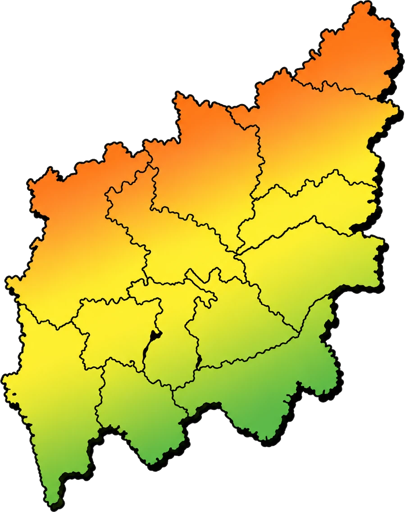
ಉತ್ತರ ಕರ್ನಾಟಕ ಎರಡು ಐತಿಹಾಸಿಕ ಪ್ರದೇಶಗಳಿಂದ ಆಗಿದೆ. ಕಲ್ಯಾಣ ಕರ್ನಾಟಕ (ಹಳೆಯ ಹೈದರಾಬಾದ್-ಕರ್ನಾಟಕ) ಏಳು ಜಿಲ್ಲೆಗಳನ್ನು ಒಳಗೊಂಡಿದೆ: ಕಲಬುರಗಿ, ಬೀದರ್, ಯಾದಗಿರಿ, ರಾಯಚೂರು, ಕೊಪ್ಪಳ, ಬಳ್ಳಾರಿ ಮತ್ತು ವಿಜಯನಗರ. ಕಿತ್ತೂರು ಕರ್ನಾಟಕ (ಹಳೆಯ ಮುಂಬೈ-ಕರ್ನಾಟಕ, 2021ರಲ್ಲಿ ಕಿತ್ತೂರಿನ ರಾಣಿ ಚೆನ್ನಮ್ಮನ ಹೆಸರಿನಲ್ಲಿ ಮರುನಾಮಕರಣಗೊಂಡಿದ್ದು) ಉಳಿದ ಏಳು ಜಿಲ್ಲೆಗಳನ್ನು ಒಳಗೊಂಡಿದೆ: ಬೆಳಗಾವಿ, ಧಾರವಾಡ, ವಿಜಯಪುರ, ಬಾಗಲಕೋಟೆ, ಗದಗ, ಹಾವೇರಿ ಮತ್ತು ಉತ್ತರ ಕನ್ನಡ. ಒಟ್ಟು ಹದಿನಾಲ್ಕು ಜಿಲ್ಲೆಗಳು — ಮತ್ತು ಐತಿಹಾಸಿಕವಾಗಿ, ಸಾಲಿನ ಕೊನೆಯಲ್ಲಿ ನಿಂತವು.
ಸಚಿವಾಲಯ ಎಂದರೆ ಒಂದು ಕಟ್ಟಡ ಅಲ್ಲ. ಜನರು ಎಲ್ಲಿ ಬದುಕುತ್ತಾರೋ ಅಲ್ಲಿಯೇ ನೆಲೆಸುವ ನಿರ್ಧಾರ ತೆಗೆದುಕೊಳ್ಳುವ ಅಧಿಕಾರ ಅದು.
ಇಂದು ಈ ಜಿಲ್ಲೆಗಳ ಬಹುತೇಕ ಆಡಳಿತ ಕಡತಗಳು ಬೆಂಗಳೂರಿನಲ್ಲಿ ಪ್ರಕ್ರಿಯೆಗೊಳ್ಳುತ್ತವೆ. ಈ ಪ್ರದೇಶಕ್ಕೊಂದು ಸಚಿವಾಲಯ ಆ ಕಡತ-ಪ್ರಕ್ರಿಯೆಯನ್ನು ಮನೆಯ ಬಳಿಗೇ ತರುತ್ತದೆ — ಹಿರಿಯ ಅಧಿಕಾರಿಗಳು, ಇಲಾಖಾ ಮೇಜುಗಳು, ಮತ್ತು ರಾಜ್ಯ ರಾಜಧಾನಿಯ ಬದಲು ಕಲಬುರಗಿ ಇಲ್ಲವೇ ಬೆಳಗಾವಿಯಲ್ಲಿ ಕೂತು ಯೋಜನೆಗಳಿಗೆ ಒಪ್ಪಿಗೆ ನೀಡುವ ಅಧಿಕಾರ. ಪ್ರದೇಶವನ್ನು *ಪ್ರತಿನಿಧಿಸುವ* ಕಚೇರಿಗೂ, ಪ್ರದೇಶವನ್ನು ನಿಜವಾಗಿ *ಆಳುವ* ಕಚೇರಿಗೂ ಇರುವ ವ್ಯತ್ಯಾಸ ಇದು.
ಇದು ಇನ್ನು ಮುಂದೆ ಒಂದು ಮೂಲೆಯ ಬೇಡಿಕೆ ಅಲ್ಲ. 2025ರ ಸೆಪ್ಟೆಂಬರ್ 17ರಂದು, ಕರ್ನಾಟಕ ಸಚಿವ ಸಂಪುಟ ಕಲ್ಯಾಣ ಕರ್ನಾಟಕ ಪ್ರದೇಶಕ್ಕೆ ಪ್ರತ್ಯೇಕ ಸಚಿವಾಲಯವನ್ನು ಮಂಜೂರು ಮಾಡಿತು, ಅದಕ್ಕೆ ಕಲಬುರಗಿಯನ್ನು ನೆಲೆಯಾಗಿಸಿತು, ಮತ್ತು ಈ ಪ್ರದೇಶಕ್ಕಾಗಿ ಕೇಂದ್ರದಿಂದ ವರ್ಷಕ್ಕೆ ₹5,000 ಕೋಟಿ ಕೋರುವ ನಿರ್ಣಯವನ್ನು ಅಂಗೀಕರಿಸಿತು (Outlook Business; Deccan Herald). ವರದಿಯಾದ ಉದ್ದೇಶ: ಕಲ್ಯಾಣ ಕರ್ನಾಟಕ ಪ್ರಾದೇಶಿಕ ಅಭಿವೃದ್ಧಿ ಮಂಡಳಿಯಲ್ಲಿ ಮತ್ತು ಏಳು ಜಿಲ್ಲೆಗಳ ಜಿಲ್ಲಾಧಿಕಾರಿಗಳ ಕಚೇರಿಗಳಲ್ಲಿ ಹೆಚ್ಚು ಉದ್ಯೋಗಗಳು. ಆಮೇಲೆ, 2025ರ ಅಕ್ಟೋಬರ್ 25ರಂದು ಕಿತ್ತೂರಿನಲ್ಲಿ, ಮುಖ್ಯಮಂತ್ರಿ ಸಿದ್ದರಾಮಯ್ಯ ಅವರು ಕಿತ್ತೂರು ಕರ್ನಾಟಕ ಪ್ರದೇಶಕ್ಕೂ ಪ್ರತ್ಯೇಕ ಸಚಿವಾಲಯವನ್ನು ಸರ್ಕಾರ ಪರಿಶೀಲಿಸಲಿದೆ ಎಂದು ಹೇಳಿದರು (Deccan Herald). ಇವೆರಡನ್ನೂ ಒಟ್ಟಿಗೆ ಇಟ್ಟರೆ, ಕಿತ್ತೂರು ಕಲ್ಯಾಣ ಕರ್ನಾಟಕ ಸೇನೆ ಮೊದಲಿನಿಂದಲೂ ಪ್ರತಿಪಾದಿಸುತ್ತಾ ಬಂದಿರುವ ಗುರಿಯೇ ಸಿಗುತ್ತದೆ: ಏಳಲ್ಲ, ಹದಿನಾಲ್ಕೂ ಜಿಲ್ಲೆಗಳಿಗೆ ಆಡಳಿತ.
ಈ ಪ್ರದೇಶಕ್ಕೆ ಬಹುತೇಕರಿಗಿಂತ ಬಲವಾದ ಹಕ್ಕು ಯಾಕಿದೆ?
ಯಾಕೆಂದರೆ ಈ ಅಸಮತೋಲನ ಊಹೆಯದ್ದಲ್ಲ, ಅಧಿಕೃತವಾಗಿ ದಾಖಲಾದದ್ದು. ಡಾ. ಡಿ. ಎಂ. ನಂಜುಂಡಪ್ಪ ಸಮಿತಿ (2002) ಕರ್ನಾಟಕದ 175 ತಾಲ್ಲೂಕುಗಳಲ್ಲಿ 114 ಹಿಂದುಳಿದವು ಎಂದು ಕಂಡುಕೊಂಡಿತು — ಅವುಗಳಲ್ಲಿ ಬಹುಪಾಲು ಉತ್ತರದಲ್ಲಿ — ಮತ್ತು "ಅತ್ಯಂತ ಹಿಂದುಳಿದ" ಗುಂಪು ನೇರವಾಗಿ ಕಲ್ಯಾಣ ಕರ್ನಾಟಕದಲ್ಲಿಯೇ ನೆಲೆಸಿತ್ತು. ಕಲ್ಯಾಣ ಕರ್ನಾಟಕ 371J ವಿಧಿಯಡಿ ವಿಶೇಷ ಸಾಂವಿಧಾನಿಕ ಸ್ಥಾನಮಾನವನ್ನೂ ಹೊಂದಿದೆ (98ನೇ ತಿದ್ದುಪಡಿ, 2013ರಿಂದ ಜಾರಿ), ಇದು ಸ್ಥಳೀಯ ಉದ್ಯೋಗ ಮತ್ತು ಶಿಕ್ಷಣ ಸೀಟುಗಳನ್ನು ಮೀಸಲಿಡುತ್ತದೆ. ಆದರೂ ಬಹುತೇಕ ಲೆಕ್ಕಾಚಾರಗಳ ಪ್ರಕಾರ 2007ರಿಂದ 2023ರ ನಡುವೆ ಹಿಂದುಳಿದ-ಪ್ರದೇಶ ಯೋಜನೆಗಳಿಗೆ ಸುಮಾರು ₹32,000 ಕೋಟಿ ಖರ್ಚಾಯಿತು, ಮತ್ತು ಈ ಜಿಲ್ಲೆಗಳು ಹಿಂದುಳಿದೇ ಉಳಿದಿವೆ (Deccan Herald). ನೆಲದ ಮೇಲೆ ಆಡಳಿತವಿಲ್ಲದ ಹಣ ಉಳಿಯುವುದಿಲ್ಲ. (ಈ ಅಂಕಿಅಂಶಗಳು ಅಧಿಕೃತ ಸಮಿತಿ ವರದಿಗಳು ಮತ್ತು ಪತ್ರಿಕಾ ವರದಿಗಳಿಂದ ಬಂದವು; ನಿಖರ ಖರ್ಚು ಮೂಲದಿಂದ ಮೂಲಕ್ಕೆ ಬದಲಾಗುತ್ತದೆ.)
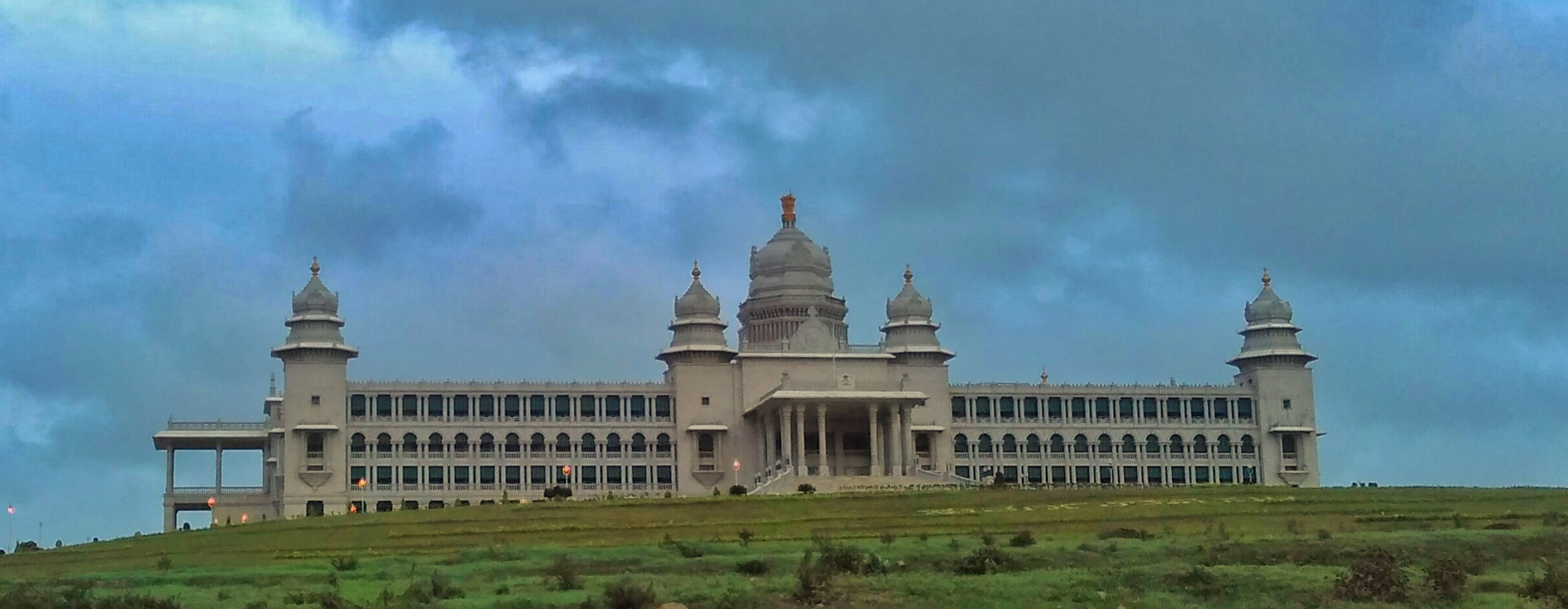
ಎಚ್ಚರಿಕೆಯ ಗಂಟೆಯನ್ನು ನಾವು ಮೊದಲೇ ನೋಡಿದ್ದೇವೆ. 2012ರಲ್ಲಿ ಸುಮಾರು ₹400 ಕೋಟಿ ವೆಚ್ಚದಲ್ಲಿ ಉದ್ಘಾಟನೆಗೊಂಡ ಬೆಳಗಾವಿಯ ಸುವರ್ಣ ವಿಧಾನ ಸೌಧ, ಉತ್ತರ ಕರ್ನಾಟಕದ ಅಧಿಕಾರ ಕೇಂದ್ರವಾಗಬೇಕಿತ್ತು. ಆದರೆ ವಾಸ್ತವದಲ್ಲಿ ಅದು ಮುಖ್ಯವಾಗಿ ಪ್ರತಿ ವರ್ಷದ ಹತ್ತು ದಿನಗಳ ಚಳಿಗಾಲದ ಅಧಿವೇಶನಕ್ಕೆ ಮಾತ್ರ ಚೇತರಿಸಿಕೊಳ್ಳುತ್ತದೆ (Deccan Herald). ಒಂದು ಭವ್ಯ ಸಭಾಂಗಣ ಆಡಳಿತವಲ್ಲ. ಅಲ್ಲಿಯೇ ಅಧಿಕಾರಿಗಳು ನಿಯೋಜಿತರಾಗಿ, ಅಲ್ಲಿಯೇ ಕಡತಗಳಿಗೆ ಒಪ್ಪಿಗೆ ಸಿಕ್ಕು, ಅಲ್ಲಿಯೇ ಬಜೆಟ್ಗಳ ತೀರ್ಮಾನ ಆಗುವ — ಒಂದು ಕಾರ್ಯನಿರತ ಸಚಿವಾಲಯ ಆಡಳಿತ.
ಹಾಗಾದರೆ ನಿಜವಾದ 14-ಜಿಲ್ಲೆಗಳ ಸಚಿವಾಲಯ *ಏನು ಮಾಡುತ್ತದೆ*?
ಬೆಂಗಳೂರಿನ ಬದಲು ಸ್ಥಳೀಯವಾಗಿಯೇ ಯೋಜನೆಯ ಕಡತಗಳಿಗೆ ಒಪ್ಪಿಗೆ ನೀಡುತ್ತದೆ. ಇಲಾಖಾ ನಿರ್ಧಾರ ತೆಗೆದುಕೊಳ್ಳುವವರನ್ನು ನಾಗರಿಕರ ಕೈಗೆಟುಕುವಷ್ಟು ಹತ್ತಿರ ಇರಿಸುತ್ತದೆ. 371J ವಿಧಿಯ ವೆಚ್ಚವನ್ನು ಎಲ್ಲಿಗೆ ಸಲ್ಲಬೇಕೋ ಅಲ್ಲಿಯೇ ನೆಲೆಗೊಳಿಸುತ್ತದೆ. ಉತ್ತರದಲ್ಲಿ ಶಾಶ್ವತ ಆಡಳಿತ ಉದ್ಯೋಗಗಳನ್ನು ಸೃಷ್ಟಿಸುತ್ತದೆ. ಮತ್ತು ಪ್ರತಿ ತಾಲ್ಲೂಕಿಗೂ — ಮಧ್ಯಾಹ್ನದ ಊಟದ ಮೊದಲೇ ಬಸ್ಸಿನಲ್ಲಿ ತಲುಪಬಹುದಾದ — ಒಂದು ಸರ್ಕಾರವನ್ನು ಕೊಡುತ್ತದೆ.
ಇದೇ ಪ್ರಾದೇಶಿಕ ನ್ಯಾಯದ ತಿರುಳು: ಮೇಲಿನಿಂದ ಕೈಗೆ ಇಳಿಸಿದ ದಯೆ ಅಲ್ಲ, ಬದಲಾಗಿ ನ್ಯಾಯವಾದ ಪಾಲನ್ನು ಕೇಳಿ ಪಡೆಯುವುದು. ಸಚಿವಾಲಯ ಹದಿನಾಲ್ಕೂ ಜಿಲ್ಲೆಗಳನ್ನು ಒಳಗೊಳ್ಳುವವರೆಗೆ — ಮತ್ತು ಅದು ನಿಜವಾಗಿ ಕೆಲಸ ಮಾಡುವವರೆಗೆ — ಕಿತ್ತೂರು ಕಲ್ಯಾಣ ಕರ್ನಾಟಕ ಸೇನೆ ಒತ್ತಡ ಹೇರುತ್ತಲೇ ಇರುತ್ತದೆ.
For as long as most of us can remember, getting work done from the government has meant one thing in North Karnataka: a long journey to Bengaluru. A delayed sanction, a stuck file, a grant that needs one more signature — and a farmer, a contractor or a clerk from Raichur or Belagavi boards a night bus to a city 600 kilometres away. A separate secretariat for the 14 districts of North Karnataka is, at heart, a promise to end that journey. So what would it actually do?
First, the basics — what are the 14 districts? North Karnataka is made of two historic regions. Kalyana Karnataka (the old Hyderabad-Karnataka) covers seven districts: Kalaburagi, Bidar, Yadgir, Raichur, Koppal, Ballari and Vijayanagara. Kittur Karnataka (the old Bombay-Karnataka, renamed in 2021 after Rani Chennamma of Kittur) covers the other seven: Belagavi, Dharwad, Vijayapura, Bagalkot, Gadag, Haveri and Uttara Kannada. Together, fourteen districts — and historically, the back of the queue.
A secretariat is not a building. It is decision-making power that lives where the people live. Today most administrative files for these districts are processed in Bengaluru. A secretariat for the region would bring that file-processing home — senior officers, departmental desks, and the authority to clear projects sitting in Kalaburagi or Belagavi rather than the state capital. That is the difference between an office that *represents* the region and an office that actually *governs* it.
This is no longer a fringe demand. On 17 September 2025, the Karnataka Cabinet approved a separate secretariat for the Kalyana Karnataka region, with Kalaburagi as its base, and adopted a resolution seeking ₹5,000 crore a year from the Centre for the region (Outlook Business; Deccan Herald). The reported aim: more jobs in the Kalyana Karnataka Regional Development Board and in the offices of Deputy Commissioners across the seven districts. Then, on 25 October 2025 in Kittur, CM Siddaramaiah said the government will explore a separate secretariat for the Kittur Karnataka region too (Deccan Herald). Put both together, and you have the goal Kittur Kalyan Karnataka Sena has argued for all along: governance for all fourteen districts, not seven.
Why does the region have a stronger claim than most? Because the imbalance is officially documented, not imagined. The Dr D M Nanjundappa Committee (2002) found 114 of Karnataka's 175 taluks backward — a majority of them in the north — and the "most backward" cluster sat squarely in Kalyana Karnataka. Kalyana Karnataka even carries special constitutional status under Article 371J (98th Amendment, in force from 2013), reserving local jobs and education seats. Yet by most accounts roughly ₹32,000 crore was spent on backward-region plans between 2007 and 2023, and these districts remain backward (Deccan Herald). Money without administration on the ground does not stick. (These figures are from official committee reports and press coverage; exact spend varies by source.)
We have seen the warning sign before. The Suvarna Vidhana Soudha in Belagavi, inaugurated in 2012 at a cost of around ₹400 crore, was meant to be North Karnataka's seat of power. In practice it comes alive mainly for the ten-day winter session each year (Deccan Herald). A grand hall is not governance. A working secretariat — with officers posted there, files cleared there, and budgets decided there — is.
So what would a true 14-district secretariat *do*? Clear project files locally instead of in Bengaluru. House departmental decision-makers within reach of citizens. Anchor the Article 371J spending where it is owed. Create permanent administrative jobs in the north. And give every taluk a government it can reach by bus before lunch.
This is the heart of regional justice: not a favour handed down, but a fair share claimed. Kittur Kalyan Karnataka Sena will keep pushing until the secretariat covers all fourteen districts — and until it actually works.
ನಮ್ಮ ಮಾತು ನಂಬಬೇಡಿ, ಆಧಾರ ನೋಡಿDon't take our word — see the proof (9)
- https://www.outlookbusiness.com/news/karnataka-cabinet-adopts-resolution-asking-centre-to-grant-rs-5000-crore-for-backward-region
- https://www.deccanherald.com/india/karnataka/cabinet-approves-separate-secretariat-for-kk-region-3731225
- https://www.deccanherald.com/india/karnataka/separate-secretariat-for-kittur-karnataka-being-explored-cm-siddaramaiah-3775272
- https://en.wikipedia.org/wiki/Article_371J_of_the_Constitution_of_India
- https://www.thenewsminute.com/karnataka/mumbai-karnataka-region-be-renamed-kittur-karnataka-decides-cabinet-157382
- https://www.deccanherald.com/india/karnataka/after-nep-siddaramaiah-govt-set-to-junk-niti-aayog-indices-2821525
- https://www.deccanherald.com/state/top-karnataka-stories/suvarna-vidhana-soudha-languishes-karnataka-govt-fails-to-move-depts-1163405.html
- https://en.wikipedia.org/wiki/Suvarna_Vidhana_Soudha
- https://www.thenewsminute.com/karnataka/all-you-need-know-about-calls-separate-north-karnataka-state-85466