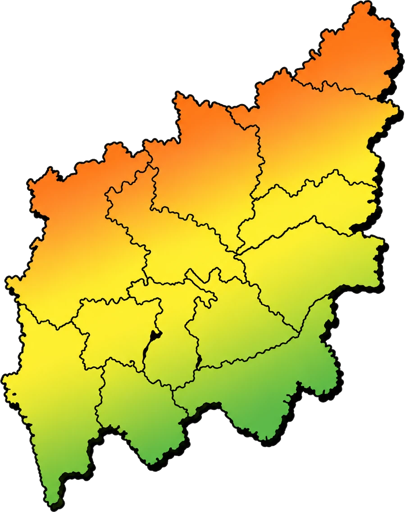

ನಂಜುಂಡಪ್ಪ ವರದಿ: ಸಮತೋಲಿತ ಪ್ರಾದೇಶಿಕ ಅಭಿವೃದ್ಧಿಯ ಈಡೇರದ ಭರವಸೆThe Nanjundappa Report: the unfulfilled promise of balanced regional development
2002ರಲ್ಲಿ ಅರ್ಥಶಾಸ್ತ್ರಜ್ಞ ಡಾ. ಡಿ.ಎಂ. ನಂಜುಂಡಪ್ಪ ಅವರು ಕರ್ನಾಟಕದ ಎದುರಿಗೆ ತನ್ನದೇ ಅಸಮಾನತೆಯ ಸ್ಪಷ್ಟ, ದತ್ತಾಂಶ-ಆಧಾರಿತ ನಕ್ಷೆಯನ್ನು ಇಟ್ಟರು: 175 ತಾಲೂಕುಗಳಲ್ಲಿ 114 ತಾಲೂಕುಗಳು ಹಿಂದುಳಿದಿದ್ದವು, ಅವುಗಳಲ್ಲಿ ಬಹುತೇಕವು ಉತ್ತರ ಭಾಗದಲ್ಲಿದ್ದವು. ಎರಡು ದಶಕಗಳಿಗೂ ಹೆಚ್ಚು ಕಾಲ ಸಂದ ನಂತರವೂ, ಸಮತೋಲಿತ ಅಭಿವೃದ್ಧಿಯ ಆ ವರದಿಯ ಭರವಸೆ ಬಹುಪಾಲು ಈಡೇರದೇ ಉಳಿದಿದೆ.In 2002, economist Dr. D.M. Nanjundappa handed Karnataka a clear, data-backed map of its own inequality: 114 of 175 taluks were backward, most of them in the north. More than two decades later, the report's promise of balanced development remains largely unfulfilled. Here is what it said, what was promised, and what North Karnataka is still owed.
ನಮ್ಮ ಅಸಮಾನತೆಗೆ ಹೆಸರಿಟ್ಟ ಒಂದು ವರದಿ
ಉತ್ತರ ಕರ್ನಾಟಕದ ಪ್ರತಿಯೊಂದು ಕುಟುಂಬಕ್ಕೂ ಯಾವುದೇ ಪಟ್ಟಿಯ ಅಗತ್ಯವಿಲ್ಲದೆಯೇ ಈ ಅನುಭವ ಗೊತ್ತಿದೆ: ರಸ್ತೆಗಳು, ಕಾಲೇಜುಗಳು, ಆಸ್ಪತ್ರೆಗಳು, ಕಾರ್ಖಾನೆಗಳು, ಮತ್ತು ಉದ್ಯೋಗಗಳು — ಇವೆಲ್ಲವೂ ಯಾವಾಗಲೂ ಬೇರೆ ಎಲ್ಲೋ ಇರುವಂತೆ ಕಾಣಿಸುತ್ತವೆ. 2002ರಲ್ಲಿ ಒಬ್ಬ ಗೌರವಾನ್ವಿತ ಅರ್ಥಶಾಸ್ತ್ರಜ್ಞರು ಆ ಬದುಕಿನ ಅನುಭವವನ್ನು ಗಟ್ಟಿ ಸಂಖ್ಯೆಗಳಲ್ಲಿ ಇಟ್ಟರು — ಮತ್ತು ಆ ಕಾಲದ ಸರ್ಕಾರ ಅದನ್ನು ಒಪ್ಪಿಕೊಂಡಿತು.
ಪ್ರಾದೇಶಿಕ ಅಸಮತೋಲನ ನಿವಾರಣಾ ಉನ್ನತಾಧಿಕಾರ ಸಮಿತಿ (High Power Committee on Redressal of Regional Imbalances), ಡಾ. ಡಿ.ಎಂ. ನಂಜುಂಡಪ್ಪ ಅವರ ಅಧ್ಯಕ್ಷತೆಯಲ್ಲಿ, ಸುಮಾರು 2000ನೇ ಇಸವಿಯಲ್ಲಿ ರಚನೆಯಾಗಿ 2002ರಲ್ಲಿ ತನ್ನ ವರದಿಯನ್ನು ಸಲ್ಲಿಸಿತು. ಅದರ ಕೆಲಸ ಸರಳ ಮತ್ತು ಪ್ರಾಮಾಣಿಕವಾಗಿತ್ತು: ಕರ್ನಾಟಕದ ಕೆಲ ಭಾಗಗಳು ಮುನ್ನುಗ್ಗಿದರೆ ಇನ್ನು ಕೆಲವು ಭಾಗಗಳು ಏಕೆ ಹಿಂದುಳಿದವು ಎಂಬುದನ್ನು ಅಧ್ಯಯನ ಮಾಡಿ, ಅದನ್ನು ಸರಿಪಡಿಸುವ ದಾರಿ ಶಿಫಾರಸು ಮಾಡುವುದು.
ಸಮಿತಿಯು ಊಹೆ ಮಾಡಲಿಲ್ಲ. ಕೃಷಿ, ಕೈಗಾರಿಕೆ, ವ್ಯಾಪಾರ ಮತ್ತು ಹಣಕಾಸು, ಆರ್ಥಿಕ ಹಾಗೂ ಸಾಮಾಜಿಕ ಮೂಲಸೌಕರ್ಯ, ಮತ್ತು ಜನಸಂಖ್ಯೆ — ಇವುಗಳನ್ನು ಒಳಗೊಂಡ 35 ಸೂಚಕಗಳನ್ನು ಬಳಸಿ ಸಮಗ್ರ ಸಂಯುಕ್ತ ಅಭಿವೃದ್ಧಿ ಸೂಚ್ಯಂಕ (Comprehensive Composite Development Index) ಒಂದನ್ನು ಕಟ್ಟಿ, ರಾಜ್ಯದ ಎಲ್ಲ 175 ತಾಲೂಕುಗಳಿಗೂ ಅಂಕ ನೀಡಿತು.
ತೀರ್ಪು: 114 ಹಿಂದುಳಿದ ತಾಲೂಕುಗಳು
ಆ ಫಲಿತಾಂಶಗಳು ಕಟುವಾಗಿದ್ದವು. 175 ತಾಲೂಕುಗಳಲ್ಲಿ 114 ತಾಲೂಕುಗಳನ್ನು ಹಿಂದುಳಿದವು ಎಂದು ವರ್ಗೀಕರಿಸಲಾಯಿತು — ಅವುಗಳನ್ನು 39 "ಅತ್ಯಂತ ಹಿಂದುಳಿದ", 40 "ಹೆಚ್ಚು ಹಿಂದುಳಿದ", ಮತ್ತು 35 "ಹಿಂದುಳಿದ" ತಾಲೂಕುಗಳಾಗಿ ವಿಭಜಿಸಲಾಯಿತು.
ಮುಖ್ಯವಾಗಿ, "ಅತ್ಯಂತ ಹಿಂದುಳಿದ" ತಾಲೂಕುಗಳ ದೊಡ್ಡ ಪಾಲು ಹೈದರಾಬಾದ್–ಕರ್ನಾಟಕ ಭಾಗದಲ್ಲಿ — ಇಂದಿನ ಕಲ್ಯಾಣ ಕರ್ನಾಟಕದಲ್ಲಿ — ಗುಂಪುಗೂಡಿದ್ದವು. ನಮ್ಮ ಭಾಗಕ್ಕೆ ಇದೇ ವಿಷಯದ ತಿರುಳು: ಉತ್ತರ ಕರ್ನಾಟಕದ ಹಿಂದುಳಿದಿರುವಿಕೆ ಎಂದಿಗೂ ಒಂದು ಅಭಿಪ್ರಾಯ ಅಥವಾ ದೂರು ಆಗಿರಲಿಲ್ಲ. ಅದು ರಾಜ್ಯದ ತನ್ನದೇ ಸಮಿತಿಯಿಂದ ಒಪ್ಪಿ ಸಹಿ ಮಾಡಲ್ಪಟ್ಟ, ಅಧಿಕೃತ, ಅಳೆದು ತೋರಿಸಿದ ವಾಸ್ತವ.
ಭರವಸೆ: ಎಂಟು ವರ್ಷಗಳಲ್ಲಿ ₹31,000 ಕೋಟಿ
ಆ ಅಂತರವನ್ನು ಮುಚ್ಚಲು ನಂಜುಂಡಪ್ಪ ಅವರು ವಿಶೇಷ ಅಭಿವೃದ್ಧಿ ಯೋಜನೆ (Special Development Plan – SDP) ಒಂದನ್ನು ಶಿಫಾರಸು ಮಾಡಿದರು — 2002-03ರ ಸ್ಥಿರ ಬೆಲೆಗಳಲ್ಲಿ ಸುಮಾರು ₹31,000 ಕೋಟಿ ಹೂಡಿಕೆ, ಎಂಟು ವರ್ಷಗಳ ಅವಧಿಯಲ್ಲಿ ಖರ್ಚು ಮಾಡಬೇಕು, ಮತ್ತು ಅತ್ಯಂತ ಹಿಂದುಳಿದ ಪ್ರದೇಶಗಳಿಗೆ ಹೆಚ್ಚುವರಿ ಹಣವನ್ನು ನಿರ್ದಿಷ್ಟವಾಗಿ ತಲುಪಿಸಬೇಕು. ಈ ಎಸ್ಡಿಪಿ ಕೊನೆಗೆ 2007ರಲ್ಲಿ ಆರಂಭವಾಯಿತು ಮತ್ತು 2014–15ರ ವೇಳೆಗೆ ಮುಗಿಯಬೇಕಿತ್ತು.
ಆ ಕಾಲಾವಧಿಯೇ ಒಂದು ಕಥೆಯನ್ನು ಹೇಳುತ್ತದೆ. ಎಂಟು ವರ್ಷ ನಡೆಯಬೇಕಿದ್ದ ಯೋಜನೆ ಇಂದು ಸುಮಾರು ಎರಡು ದಶಕಗಳಿಂದ ಕುಂಟುತ್ತಾ ಸಾಗುತ್ತಿದೆ.
ಭರವಸೆ ಮುರಿದದ್ದು ಎಲ್ಲಿ
ಹಣ ಹರಿಯಿತು ನಿಜ — ಆದರೆ ನಿಧಾನವಾಗಿ, ಅಸಮವಾಗಿ, ಮತ್ತು ಅದು ಯಾರಿಗೆ ತಲುಪಬೇಕಿತ್ತೋ ಅವರನ್ನು ತಲುಪಿತೇ ಎಂಬ ಗಂಭೀರ ಪ್ರಶ್ನೆಗಳೊಂದಿಗೆ. ಪತ್ರಿಕಾ ವರದಿಗಳ ಪ್ರಕಾರ, ಸುಮಾರು ₹38,675 ಕೋಟಿ ಹಂಚಿಕೆಗಳ ಎದುರಿಗೆ, 2007ರಿಂದ ಇತ್ತೀಚಿನ ವರ್ಷಗಳವರೆಗೆ ಸುಮಾರು ₹31,155 ಕೋಟಿ ಬಿಡುಗಡೆಯಾಗಿ ಸುಮಾರು ₹28,951 ಕೋಟಿ ಖರ್ಚಾಗಿದೆ — ಆದರೂ ಪಕ್ಷಭೇದ ಮೀರಿ ಶಾಸಕರು ಮತ್ತು ತಜ್ಞರು, ನೆಲದ ಮೇಲಿನ ಹಿಂದುಳಿದಿರುವಿಕೆ ಬಹುತೇಕ ಬದಲಾಗಿಲ್ಲ ಎಂದು ದೂರುತ್ತಾರೆ.
ಆ ಟೀಕೆಗಳು ಚೂಪಾದವು ಮತ್ತು ದಾಖಲೆಯಲ್ಲಿಯೇ ಇವೆ:
- ನಿಧಿ ಬೇರೆಡೆ ತಿರುಗಿಸಲ್ಪಟ್ಟಿತು — ಯಾವ ಹಿಂದುಳಿದ ತಾಲೂಕುಗಳಿಗೆ ಮೀಸಲಿಡಲಾಗಿತ್ತೋ ಅವುಗಳಿಂದ ಹಣವನ್ನು ಬೇರೆಡೆಗೆ ತಿರುಗಿಸಿದ ವಿಷಯ ವಿಧಾನಸಭೆಯಲ್ಲಿಯೇ ಪ್ರಸ್ತಾಪವಾಯಿತು.
- ಸೂತ್ರಕ್ಕೆ ಹೊಂದದ ಹಂಚಿಕೆಗಳು — ನಿಜವಾದ ಖರ್ಚು, ವರದಿಯ ತನ್ನದೇ ಶ್ರೇಣೀಕರಣವಾದ ಅತ್ಯಂತ ಹಿಂದುಳಿದ, ಹೆಚ್ಚು ಹಿಂದುಳಿದ, ಮತ್ತು ಹಿಂದುಳಿದ ಎಂಬುದನ್ನು ಸ್ಥಿರವಾಗಿ ಅನುಸರಿಸಲಿಲ್ಲ.
- ಸ್ಥಿತಿಯಲ್ಲಿ ಗೋಚರಿಸುವ ಬದಲಾವಣೆ ಇಲ್ಲ — "ಅತ್ಯಂತ ಹಿಂದುಳಿದ" ತಾಲೂಕುಗಳು ಇಷ್ಟೊತ್ತಿಗೆ ಒಂದು ಉತ್ತಮ ವರ್ಗಕ್ಕೆ ಏರಿರಬೇಕಿತ್ತು ಎಂದು ಟೀಕಾಕಾರರು ಗಮನಿಸುತ್ತಾರೆ, ಆದರೆ ಹಲವೆಡೆ "ನೆಲದ ಮೇಲೆ ತೋರಿಸಲು ಏನೂ ಇಲ್ಲ."
ಇದರ ನಂತರ ಬಂದ ಸಂವಿಧಾನಿಕ ರಕ್ಷಣೆ — ಅನುಚ್ಛೇದ 371J, 98ನೇ ಸಂವಿಧಾನ ತಿದ್ದುಪಡಿಯಿಂದ ಸೇರಿಸಲ್ಪಟ್ಟು 2013ರ ಜನವರಿ 1ರಿಂದ ಜಾರಿಗೆ ಬಂದು, ಬೀದರ್, ಕಲಬುರಗಿ, ಯಾದಗಿರಿ, ರಾಯಚೂರು, ಕೊಪ್ಪಳ ಮತ್ತು ಬಳ್ಳಾರಿ — ಕಲ್ಯಾಣ ಕರ್ನಾಟಕದ ಈ ಜಿಲ್ಲೆಗಳಿಗೆ ಅಭಿವೃದ್ಧಿ ಮಂಡಳಿ ಹಾಗೂ ಶಿಕ್ಷಣ ಮತ್ತು ಉದ್ಯೋಗಗಳಲ್ಲಿ ಮೀಸಲಾತಿಯನ್ನು ಸೃಷ್ಟಿಸಿತು — ಇದು ಸಹ ಆ ಅಂತರವನ್ನು ಮುಚ್ಚಲಿಲ್ಲ. 2024ರ ನವೆಂಬರ್ನಲ್ಲಿ, ಕಲ್ಯಾಣ ಕರ್ನಾಟಕ ಪ್ರದೇಶ ಅಭಿವೃದ್ಧಿ ಮಂಡಳಿಯಲ್ಲಿಯೇ ನಡೆದಿವೆ ಎನ್ನಲಾದ ಅಕ್ರಮಗಳ ಕುರಿತು ರಾಜ್ಯ ಸರ್ಕಾರ ಉನ್ನತ ಮಟ್ಟದ ತನಿಖೆಗೆ ಆದೇಶಿಸಿತು.
ಇದು ನಮಗೆ ಏಕೆ ಮುಖ್ಯ
ನಂಜುಂಡಪ್ಪ ವರದಿ ಒಂದು ಗೋಳಲ್ಲ — ಅದು ಬರಹದಲ್ಲಿ ಇರುವ ರಾಜ್ಯದ ತನ್ನದೇ ಭರವಸೆ. ರೋಗನಿರ್ಣಯ ಸರಿಯಾಗಿತ್ತು, ಔಷಧಿ ಸ್ಪಷ್ಟವಾಗಿತ್ತು, ಮತ್ತು ಹಣ ಮಂಜೂರಾಗಿತ್ತು. ವಿಫಲವಾದದ್ದು ಅದನ್ನು ಪ್ರಾಮಾಣಿಕವಾಗಿ ಮತ್ತು ಸಮಯಕ್ಕೆ ಸರಿಯಾಗಿ ಒದಗಿಸುವ ಇಚ್ಛಾಶಕ್ತಿ.
ಕಿತ್ತೂರು ಕಲ್ಯಾಣ ಕರ್ನಾಟಕ ಸೇನೆಗೆ, ಇದೇ ಪ್ರಾದೇಶಿಕ ನ್ಯಾಯದ ತಿರುಳು: ನಾವು ದಯೆಯನ್ನು ಕೇಳುತ್ತಿಲ್ಲ. ನಮ್ಮ ಸ್ವಂತ ಸರ್ಕಾರವೇ ಬರೆದು, ಲೆಕ್ಕ ಹಾಕಿ, ಒಪ್ಪಿಕೊಂಡ ಅಭಿವೃದ್ಧಿ ಯೋಜನೆಯೊಂದನ್ನು ಸಂಪೂರ್ಣವಾಗಿ ನಿಧಿ ಒದಗಿಸಿ, ಭರವಸೆ ನೀಡಿದ ಕಡೆ ಖರ್ಚು ಮಾಡಿ, ಮತ್ತು ಬಹಿರಂಗವಾಗಿ ಲೆಕ್ಕಪರಿಶೋಧನೆ ಮಾಡಬೇಕು ಎಂದು ಕೇಳುತ್ತಿದ್ದೇವೆ. ಇಪ್ಪತ್ತು ವರ್ಷ ತಡವಾಗಿರುವುದು ಒಂದು ಭರವಸೆಯನ್ನು ಉಳಿಸಿಕೊಳ್ಳಲು ತೀರಾ ತಡವೇನಲ್ಲ. ಉತ್ತರ ಕರ್ನಾಟಕ ಸಾಕಷ್ಟು ಕಾದಿದೆ.
A report that named our inequality
Every family in North Karnataka knows the feeling without needing a chart: the roads, the colleges, the hospitals, the factories, and the jobs always seem to be somewhere else. In 2002, a respected economist put that lived experience into hard numbers — and the government of the day accepted it.
The High Power Committee on Redressal of Regional Imbalances, chaired by Dr. D.M. Nanjundappa, was set up around the year 2000 and submitted its report in 2002. Its job was simple and honest: study why some parts of Karnataka had raced ahead while others were left behind, and recommend how to fix it.
The committee did not guess. It built a Comprehensive Composite Development Index using 35 indicators — covering agriculture, industry, trade and finance, economic and social infrastructure, and population — and scored all 175 taluks of the state. (Zenodo critical analysis; CMDR study)
The verdict: 114 backward taluks
The findings were stark. Out of 175 taluks, 114 were classified as backward — broken down into 39 "most backward," 40 "more backward," and 35 "backward" taluks. (CMDR)
Crucially, a large share of the "most backward" taluks were clustered in the Hyderabad–Karnataka region — today's Kalyana Karnataka. (Deccan Herald) This is the heart of the matter for our region: the backwardness of North Karnataka was never an opinion or a complaint. It was an official, measured fact, signed off by the state's own committee.
The promise: ₹31,000 crore over eight years
To close the gap, Nanjundappa recommended a Special Development Plan (SDP) with an investment of roughly ₹31,000 crore at 2002-03 constant prices, to be spent over eight years, with extra money directed specifically to the most backward areas. (Zenodo) The SDP was finally launched in 2007 and was meant to be completed by 2014–15. (researchgate.net)
That timeline alone tells a story. A plan meant to run for eight years has now been limping along for nearly two decades.
Where the promise broke
The money did flow — but slowly, unevenly, and with serious questions about whether it reached the people it was meant for. Press reporting indicates that against allocations of around ₹38,675 crore, roughly ₹31,155 crore was released and about ₹28,951 crore spent between 2007 and recent years — yet legislators and experts across party lines complain that the backwardness on the ground has barely shifted. (Deccan Herald) (Exact totals vary by source and year, so treat these figures as the reported range, not a final audited number.)
The criticisms are pointed and on the record:
- Funds diverted away from the backward taluks they were earmarked for, raised in the Assembly itself.
- Allocations that don't match the formula — the actual spending did not consistently follow the report's own ranking of most backward, more backward, and backward.
- No visible change in status — critics note that "most backward" taluks should have graduated to a better category by now, but in too many places "there is nothing to show on the ground." (Deccan Herald)
Even the constitutional safeguard that followed — Article 371J, inserted by the 98th Constitutional Amendment and effective from 1 January 2013, which created a development board and reservations in education and jobs for the Kalyana Karnataka districts of Bidar, Kalaburagi, Yadgir, Raichur, Koppal and Ballari (Wikipedia) — has not closed the gap. In November 2024, the state ordered a high-level inquiry into alleged irregularities at the Kalyana Karnataka Region Development Board itself. (Deccan Chronicle)
Why this matters to us
The Nanjundappa Report is not a grievance — it is the state's own promise in writing. The diagnosis was correct, the prescription was clear, and the money was sanctioned. What failed was the will to deliver it honestly and on time.
For the Kittur Kalyan Karnataka Sena, this is the core of regional justice: we are not asking for favours. We are asking that a development plan our own government wrote, costed, and accepted be fully funded, spent where it was promised, and audited in the open. Twenty years late is not too late to keep a promise. North Karnataka has waited long enough.
ನಮ್ಮ ಮಾತು ನಂಬಬೇಡಿ, ಆಧಾರ ನೋಡಿDon't take our word — see the proof (7)
- https://zenodo.org/records/2566211
- https://cmdr.ac.in/wp-content/uploads/2025/11/96.-Recommendations-of-Nanjundappa-Committee-Report-and-Resource-Flows-of-Special-Development-Plan-Are-We-Meeting-the-Targets.pdf
- https://www.researchgate.net/publication/328982037_Implementation_of_D_M_Nanjundappa_Committee_Recommendations_for_Redressal_of_Regional_Imbalance
- https://www.deccanherald.com/opinion/kalyana-karnataka-suffers-as-regional-development-board-falters-1210341.html
- https://en.wikipedia.org/wiki/Article_371J_of_the_Constitution_of_India
- https://www.deccanchronicle.com/southern-states/karnataka/karnataka-govt-orders-high-level-inquiry-into-kkrdb-irregularities-1837336
- https://cbps.in/wp-content/uploads/2024/12/Report_Critical-Evaluation-cum-Impact-Study-of-the-Report-of-the-High-Power-Committee-on-Redressal-of-Regional-Imbalances_2018.pdf