ಕಿತ್ತೂರ ರಾಣಿ ಚೆನ್ನಮ್ಮ: ನಮ್ಮ ನಾಡಿನ ಪ್ರತಿರೋಧದ ಸ್ಫೂರ್ತಿ ರೂಪಿಸಿದ ವೀರ ರಾಣಿKittur Rani Chennamma: the warrior queen who shaped our region's spirit of resistance
1857ಕ್ಕೆ ಮೂರು ದಶಕಗಳ ಮೊದಲೇ, ನಮ್ಮದೇ ಕಿತ್ತೂರಿನ ನೆಲದ ರಾಣಿಯೊಬ್ಬಳು ಬ್ರಿಟಿಷರ ವಿರುದ್ಧ ಶಸ್ತ್ರ ಎತ್ತಿ ತನ್ನ ಮೊದಲ ಯುದ್ಧವನ್ನು ಗೆದ್ದಳು. ರಾಣಿ ಚೆನ್ನಮ್ಮನ ಧೈರ್ಯ ಕೇವಲ ಇತಿಹಾಸವಲ್ಲ — ಅದು ಘನತೆ, ನ್ಯಾಯ ಮತ್ತು ನ್ಯಾಯಯುತ ಅಭಿವೃದ್ಧಿಗಾಗಿ ಉತ್ತರ ಕರ್ನಾಟಕ ನಡೆಸುತ್ತಿರುವ ಹೋರಾಟದ ಮೂಲ ಸ್ಫೂರ್ತಿ.Three decades before 1857, a queen from our own soil at Kittur took up arms against the British and won her first battle. Rani Chennamma's courage is not just history — it is the founding spirit of North Karnataka's demand for dignity, justice and fair development.
1857ಕ್ಕೆ ಮೂರು ದಶಕಗಳ ಮೊದಲೇ, ನಮ್ಮದೇ ನೆಲದ ಕಿತ್ತೂರಿನ ರಾಣಿಯೊಬ್ಬಳು ಬ್ರಿಟಿಷರ ವಿರುದ್ಧ ಶಸ್ತ್ರ ಎತ್ತಿ ತನ್ನ ಮೊದಲ ಯುದ್ಧವನ್ನು ಗೆದ್ದಳು. ರಾಣಿ ಚೆನ್ನಮ್ಮನ ಧೈರ್ಯ ಕೇವಲ ಇತಿಹಾಸವಲ್ಲ — ಅದು ಘನತೆ, ನ್ಯಾಯ ಮತ್ತು ನ್ಯಾಯಯುತ ಅಭಿವೃದ್ಧಿಗಾಗಿ ಉತ್ತರ ಕರ್ನಾಟಕ ನಡೆಸುತ್ತಿರುವ ಹೋರಾಟದ ಮೂಲ ಸ್ಫೂರ್ತಿ.
ಕಿತ್ತೂರಿನ ರಾಣಿ ಚೆನ್ನಮ್ಮ 1824ರಲ್ಲಿ ಬ್ರಿಟಿಷರ ವಿರುದ್ಧ ಸೆಟೆದು ನಿಂತು ಮೊದಲ ಯುದ್ಧವನ್ನು ಗೆದ್ದ ನಮ್ಮ ನೆಲದ ವೀರ ರಾಣಿ. ಆಕೆಯ ಧೈರ್ಯ ಮತ್ತು ಸ್ವಾಭಿಮಾನವೇ ಇಂದು ಉತ್ತರ ಕರ್ನಾಟಕದ ನ್ಯಾಯ ಮತ್ತು ಸಮಾನ ಅಭಿವೃದ್ಧಿಯ ಹೋರಾಟದ ಸ್ಫೂರ್ತಿ.
ತಲೆಬಾಗದ ನಮ್ಮ ನೆಲದ ರಾಣಿ
ಭಾರತದ ಬಹುಪಾಲು ಭಾಗ ಬ್ರಿಟಿಷ್ ಆಳ್ವಿಕೆಯ ವಿರುದ್ಧ ದಂಗೆಯನ್ನು ಕಲ್ಪಿಸಿಕೊಳ್ಳುವ ಮೊದಲೇ, ನಮ್ಮದೇ ಉತ್ತರ ಕರ್ನಾಟಕದ ನೆಲದ ರಾಣಿಯೊಬ್ಬಳು ಕತ್ತಿ ಹಿಡಿದಳು. ಕಿತ್ತೂರಿನ ರಾಣಿ ಚೆನ್ನಮ್ಮ — ಇಂದಿನ ಬೆಳಗಾವಿ ಜಿಲ್ಲೆಯ ಕಾಕತಿ ಗ್ರಾಮದಲ್ಲಿ 1778ರಲ್ಲಿ ಜನಿಸಿದ ಆಕೆ — ತನ್ನ ಪತಿ ರಾಜಾ ಮಲ್ಲಸರ್ಜನ ನಿಧನದ ನಂತರ, ಸುಮಾರು 1816ರಲ್ಲಿ ಚಿಕ್ಕದಾದರೂ ಸ್ವಾಭಿಮಾನಿ ಕಿತ್ತೂರು ಸಂಸ್ಥಾನದ ರಾಣಿಯಾದಳು.
ಆಕೆಯ ಕಥೆ ಪಠ್ಯಪುಸ್ತಕದ ದೂರದ ಅಧ್ಯಾಯವಲ್ಲ. ಅದು ನಮ್ಮ ನಾಡಿನ, ನಮ್ಮ ಜನರ, ಮತ್ತು ಇಂದು ಕಿತ್ತೂರ ಕಲ್ಯಾಣ ಕರ್ನಾಟಕ ಸೇನಾ ಪಕ್ಷ ಮುಂದೊಯ್ಯುತ್ತಿರುವ ಸ್ಫೂರ್ತಿಯ ಕಥೆ.
ಬೆಂಕಿ ಹಚ್ಚಿದ ಅನ್ಯಾಯ
ಚೆನ್ನಮ್ಮನ ಮಗ ತೀರಿಕೊಂಡಾಗ, ಆಕೆ 1824ರಲ್ಲಿ ಶಿವಲಿಂಗಪ್ಪ ಎಂಬ ಬಾಲಕನನ್ನು ದತ್ತು ಪಡೆದು ಕಿತ್ತೂರು ಸಿಂಹಾಸನದ ಉತ್ತರಾಧಿಕಾರಿಯನ್ನಾಗಿ ಘೋಷಿಸಿದಳು. ಬ್ರಿಟಿಷ್ ಈಸ್ಟ್ ಇಂಡಿಯಾ ಕಂಪನಿ ಈ ದತ್ತು ಸ್ವೀಕಾರವನ್ನು ಗುರುತಿಸಲು ನಿರಾಕರಿಸಿ, ಕಿತ್ತೂರನ್ನು ತನ್ನ ಸಾಮ್ರಾಜ್ಯಕ್ಕೆ ನುಂಗಲು ಮುಂದಾಯಿತು. ಇದು ಮುಂದೆ ಕುಖ್ಯಾತಗೊಂಡ "ದತ್ತು ಮಕ್ಕಳಿಗೆ ಹಕ್ಕಿಲ್ಲ" (Doctrine of Lapse) ನೀತಿಯ ಮೊದಲ ರೂಪವಾಗಿತ್ತು — ಪುರುಷ ಉತ್ತರಾಧಿಕಾರಿ ಇಲ್ಲದ ಯಾವುದೇ ಸಂಸ್ಥಾನವನ್ನು ಸುಮ್ಮನೆ ವಶಪಡಿಸಿಕೊಳ್ಳಬಹುದು ಎಂಬ ನಿಯಮ. ಗಮನಾರ್ಹವಾಗಿ, ಲಾರ್ಡ್ ಡಾಲ್ಹೌಸಿ 1848ರಲ್ಲಿ ಔಪಚಾರಿಕವಾಗಿ ಈ ನೀತಿಯನ್ನು ಜಾರಿಗೆ ತರುವ ದಶಕಗಳ ಮೊದಲೇ ಇದು ನಡೆದಿತ್ತು.
ಉತ್ತರ ಕರ್ನಾಟಕದ ನಮಗೆ ಈ ಅನ್ಯಾಯ ಪರಿಚಿತವಾಗಿಯೇ ಭಾಸವಾಗುತ್ತದೆ: ದೂರದ ಒಂದು ಶಕ್ತಿ ನಮ್ಮ ಒಪ್ಪಿಗೆ ಇಲ್ಲದೆ ನಮ್ಮ ನಾಡಿನ ಭವಿಷ್ಯವನ್ನು ನಿರ್ಧರಿಸುವುದು, ಮತ್ತು ನಮ್ಮ ಜನರ ಹಕ್ಕುಗಳಿಗೆ ಬೆಲೆಯೇ ಇಲ್ಲ ಎಂಬಂತೆ ನಡೆಸಿಕೊಳ್ಳುವುದು.
ಮೊದಲ ಯುದ್ಧ — ಮತ್ತು ಪ್ರಸಿದ್ಧ ವಿಜಯ
1824ರ ಅಕ್ಟೋಬರ್ನಲ್ಲಿ, ಧಾರವಾಡದ ಕಲೆಕ್ಟರ್ ಆಗಿದ್ದ ಬ್ರಿಟಿಷ್ ಅಧಿಕಾರಿ ಸೇಂಟ್ ಜಾನ್ ಥಾಕರೆ ಕಿತ್ತೂರಿನ ಮೇಲೆ ದಂಡೆತ್ತಿ ಬಂದ. ಚೆನ್ನಮ್ಮ ಶರಣಾಗಲು ನಿರಾಕರಿಸಿದಳು. ಮೊಟ್ಟಮೊದಲ ಯುದ್ಧದಲ್ಲೇ ಆಕೆಯ ಸೈನ್ಯ ಎಷ್ಟು ಉಗ್ರವಾಗಿ ಹೋರಾಡಿತೆಂದರೆ, ಬ್ರಿಟಿಷರು ಸೋತು ಚೆಲ್ಲಾಪಿಲ್ಲಿಯಾದರು ಮತ್ತು ಥಾಕರೆ ಸ್ವತಃ ಹತನಾದ. ಆಕೆಯ ಪಕ್ಕದಲ್ಲಿ ನಿಂತಿದ್ದವನು ಆಕೆಯ ನಂಬಿಕಸ್ಥ ಸೇನಾಪತಿ ಸಂಗೊಳ್ಳಿ ರಾಯಣ್ಣ — ಮುಂದೆ ತನ್ನದೇ ಆದ ದಂಗೆಯನ್ನು ಮುನ್ನಡೆಸಿದ ಈ ನೆಲದ ವೀರಪುತ್ರ.
ನಮ್ಮ ಪ್ರದೇಶದ ಒಂದು ಪುಟ್ಟ ಸಂಸ್ಥಾನದ ರಾಣಿ, 1857ರ ಮಹಾ ದಂಗೆಗೆ ಮೂರು ದಶಕಗಳ ಮೊದಲೇ, ಬಲಿಷ್ಠ ಈಸ್ಟ್ ಇಂಡಿಯಾ ಕಂಪನಿಯನ್ನು ಬಯಲು ಯುದ್ಧದಲ್ಲಿ ಸೋಲಿಸಿದಳು ಎಂಬುದು ಪ್ರತಿ ಉತ್ತರ ಕರ್ನಾಟಕದ ಮಗುವೂ ಹೆಮ್ಮೆಯಿಂದ ತಿಳಿದು ಬೆಳೆಯಬೇಕಾದ ಸತ್ಯ.
ಬ್ರಿಟಿಷರು ಬಹಳ ದೊಡ್ಡ ಸೈನ್ಯದೊಂದಿಗೆ ಮರಳಿ ಬಂದು, ಕೋಟೆಯನ್ನು ವಶಪಡಿಸಿಕೊಂಡು, ಚೆನ್ನಮ್ಮನನ್ನು ಬೈಲಹೊಂಗಲ ಕೋಟೆಯಲ್ಲಿ ಸೆರೆಯಲ್ಲಿಟ್ಟರು; ಅಲ್ಲಿ ಆಕೆ 1829ರ ಫೆಬ್ರವರಿ 21ರಂದು ನಿಧನ ಹೊಂದಿದಳು. (ಕೆಲವು ಆಧಾರಗಳು ಆಕೆಯ ಜನ್ಮದಿನವನ್ನು ಅಕ್ಟೋಬರ್ 23 ಎಂದು, ಇನ್ನು ಕೆಲವು 1778ರ ನವೆಂಬರ್ 14 ಎಂದು ಹೇಳುತ್ತವೆ — ಆ ಸಣ್ಣ ಅನಿಶ್ಚಿತತೆ ಆಕೆಯ ಧೈರ್ಯದ ನಿಶ್ಚಿತತೆಯನ್ನು ಕುಂದಿಸುವುದಿಲ್ಲ.) ಸಂಗೊಳ್ಳಿ ರಾಯಣ್ಣ 1831ರಲ್ಲಿ ಬ್ರಿಟಿಷರಿಂದ ಸೆರೆಯಾಗಿ ಗಲ್ಲಿಗೇರುವವರೆಗೆ ಪ್ರತಿರೋಧವನ್ನು ಜೀವಂತವಾಗಿಟ್ಟಿದ್ದ.
ಆಕೆಯ ಸ್ಫೂರ್ತಿ ನಮ್ಮ ಚಳವಳಿಯ ಬುನಾದಿ ಏಕೆ
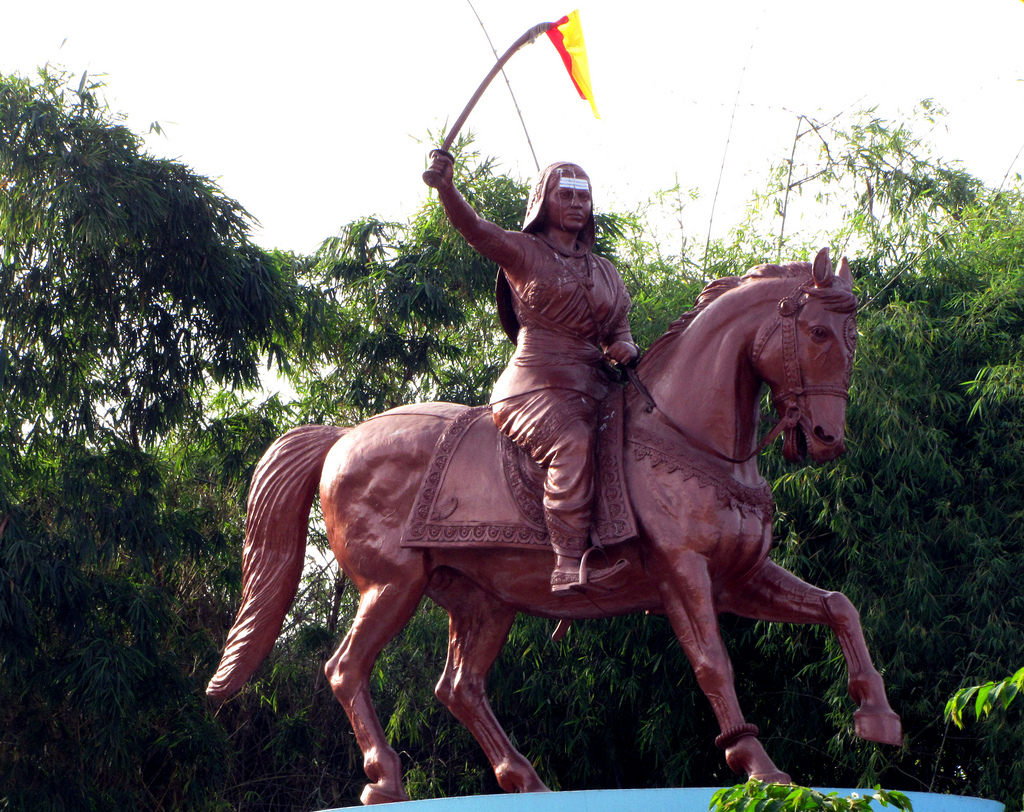
ರಾಷ್ಟ್ರ ತಡವಾಗಿಯಾದರೂ ಸರಿಯಾಗಿ ಆಕೆಯನ್ನು ಗೌರವಿಸಿದೆ. 2007ರ ಸೆಪ್ಟೆಂಬರ್ 11ರಂದು, ಅಂದಿನ ರಾಷ್ಟ್ರಪತಿ ಪ್ರತಿಭಾ ಪಾಟೀಲ್ ಅವರು ಭಾರತದ ಸಂಸತ್ ಸಂಕೀರ್ಣದಲ್ಲಿ ರಾಣಿ ಚೆನ್ನಮ್ಮನ ಪ್ರತಿಮೆಯನ್ನು ಅನಾವರಣಗೊಳಿಸಿದರು. ಪ್ರತಿ ವರ್ಷ ಬೆಳಗಾವಿ ಜಿಲ್ಲೆಯಲ್ಲಿ ಆಚರಿಸಲಾಗುವ ಕಿತ್ತೂರು ಉತ್ಸವದಲ್ಲಿ ಆಕೆಯ ಸ್ಮೃತಿ ಜೀವಂತವಾಗಿದೆ.
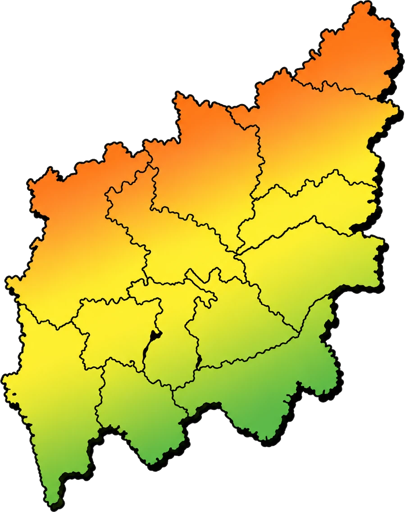
ಆದರೆ ಆಕೆಯನ್ನು ಗೌರವಿಸುವುದು ಪ್ರತಿಮೆಗಳಿಗೆ ಮತ್ತು ಉತ್ಸವಗಳಿಗೆ ಸೀಮಿತವಾಗಬಾರದು. ತನ್ನ ನಾಡಿಗೆ ಸಲ್ಲಬೇಕಾದ ಸ್ಥಾನವನ್ನು ನಿರಾಕರಿಸಲಾಗುತ್ತಿದೆ ಎಂದೇ ರಾಣಿ ಚೆನ್ನಮ್ಮ ಹೋರಾಡಿದಳು. ಇಂದಿಗೂ ಉತ್ತರ ಕರ್ನಾಟಕ — ಕಲ್ಯಾಣ-ಕರ್ನಾಟಕ ಮತ್ತು ಕಿತ್ತೂರು-ಕರ್ನಾಟಕ ಪ್ರದೇಶಗಳು — ನ್ಯಾಯಯುತವಾಗಿ ನಡೆಸಿಕೊಳ್ಳಲ್ಪಡಲು ಹೋರಾಡುತ್ತಲೇ ಇದೆ. ಸರ್ಕಾರದ್ದೇ ಆದ ಡಾ. ಡಿ. ಎಂ. ನಂಜುಂಡಪ್ಪ ಸಮಿತಿ ವರದಿ (2002) ರಾಜ್ಯದಲ್ಲಿ 114 ಹಿಂದುಳಿದ ತಾಲೂಕುಗಳನ್ನು ಗುರುತಿಸಿತು — ಅವುಗಳಲ್ಲಿ ಬಹುತೇಕ ನಮ್ಮ ಉತ್ತರದ ಜಿಲ್ಲೆಗಳಲ್ಲೇ ಇವೆ — ಮತ್ತು ಎಂಟು ವರ್ಷಗಳಲ್ಲಿ ಸುಮಾರು 31,000 ಕೋಟಿ ರೂಪಾಯಿಗಳ ವಿಶೇಷ ಅಭಿವೃದ್ಧಿ ವೆಚ್ಚವನ್ನು ಶಿಫಾರಸು ಮಾಡಿತು. ಎರಡು ದಶಕಗಳಿಗೂ ಹೆಚ್ಚು ಕಾಲ ಕಳೆದರೂ, ಭರವಸೆ ನೀಡಿದ ಆ ಹೂಡಿಕೆ, ನ್ಯಾಯಯುತ ಬಜೆಟ್ ಪಾಲು, ನೀರಾವರಿ, ಉದ್ಯೋಗ ಮತ್ತು ಕೈಗಾರಿಕೆಗಾಗಿ ಬೇಡಿಕೆ ಇಂದಿಗೂ ವಿಧಾನಸಭೆಯಲ್ಲಿ ಪ್ರತಿಧ್ವನಿಸುತ್ತಲೇ ಇದೆ.
ಇದೇ ಧ್ಯೇಯಕ್ಕಾಗಿ ಕಿತ್ತೂರ ಕಲ್ಯಾಣ ಕರ್ನಾಟಕ ಸೇನಾ ಪಕ್ಷ ನಿಂತಿದೆ: ಪ್ರಾದೇಶಿಕ ನ್ಯಾಯ, ನಮ್ಮದೇ ಜಿಲ್ಲೆಗಳ ಪ್ರಾಮಾಣಿಕ ಅಭಿವೃದ್ಧಿ, ಮತ್ತು ನಮ್ಮ ಧ್ವನಿ ಕೇಳಿಸಿಕೊಳ್ಳುವುದರಿಂದ ಬರುವ ಘನತೆ. ನಮ್ಮ ಪ್ರದೇಶ ದ್ವಿತೀಯ ದರ್ಜೆಯ ನಡವಳಿಕೆಯನ್ನು ಒಪ್ಪಲು ನಿರಾಕರಿಸಿದಾಗ ಏನು ಸಾಧಿಸಬಲ್ಲದೆಂಬುದನ್ನು ಚೆನ್ನಮ್ಮ ತೋರಿಸಿಕೊಟ್ಟ ಕಾರಣಕ್ಕಾಗಿಯೇ ನಾವು ನಮ್ಮ ಹೆಸರನ್ನು ಕಿತ್ತೂರಿನಿಂದ ಪಡೆದಿದ್ದೇವೆ. ನಮ್ಮ ಪಕ್ಷದ ಮೂಲ ಮಂತ್ರವೇ — 'ಉತ್ತರ ಕರ್ನಾಟಕ ಅಭಿವೃದ್ಧಿಯೇ ಮೂಲ ಮಂತ್ರ'.
ಆಕೆಯ ಧೈರ್ಯ ಬೀಜವಾಗಿತ್ತು. ಅಭಿವೃದ್ಧಿ ಹೊಂದಿದ, ಗೌರವಾನ್ವಿತ ಉತ್ತರ ಕರ್ನಾಟಕಕ್ಕಾಗಿ ನಮ್ಮ ಚಳವಳಿ ಆ ಬೆಳೆಯ ಫಸಲು. ರಾಣಿ ಚೆನ್ನಮ್ಮನನ್ನು ಕೇವಲ ಹೂಮಾಲೆಗಳಿಂದಲ್ಲ, ಆಕೆ ಆರಂಭಿಸಿದ ಕಾರ್ಯವನ್ನು ಪೂರ್ಣಗೊಳಿಸುವ ಮೂಲಕ ಗೌರವಿಸೋಣ — ನಮ್ಮ ನಾಡಿಗೆ ಎಂದೆಂದಿಗೂ ಸಲ್ಲಬೇಕಾಗಿದ್ದ ನ್ಯಾಯ ಮತ್ತು ಘನತೆಯನ್ನು ಗೆದ್ದು ತರೋಣ.
*ಜೈ ಕಿತ್ತೂರ. ಜೈ ಕರ್ನಾಟಕ.*
A queen from our own soil who refused to bow
Long before most of India had even imagined revolt against British rule, a queen from our own North Karnataka soil picked up the sword. Rani Chennamma of Kittur — born in 1778 in the village of Kakati in present-day Belagavi district — became the ruler of the small but proud kingdom of Kittur after the death of her husband, Raja Mallasarja, around 1816.
Her story is not a distant textbook chapter. It is the story of our land, our people, and the spirit that the Kittur Kalyan Karnataka Sena carries forward today.
The injustice that lit the fire
When Chennamma's son died, she adopted a boy named Shivalingappa in 1824 and named him heir to the Kittur throne. The British East India Company refused to recognise the adoption and moved to swallow Kittur into its empire. This was an early version of what later became infamous as the "Doctrine of Lapse" — the rule that any kingdom without a male heir could simply be annexed. Notably, this happened decades before Lord Dalhousie formally introduced that doctrine in 1848.
To us in North Karnataka, this injustice feels familiar: a distant power deciding the fate of our land without our consent, and treating our people as if our rights did not matter.
The first battle — and a famous victory
In October 1824, the British officer St. John Thackeray, the Collector at Dharwad, marched on Kittur. Chennamma refused to surrender. In the very first battle, her forces fought so fiercely that the British were routed and Thackeray himself was killed. Standing beside her was her trusted lieutenant Sangolli Rayanna, a brave son of this soil who would go on to lead his own uprising.
That a queen from a small kingdom in our region defeated the mighty East India Company in open battle — more than three decades before the great revolt of 1857 — is a fact every North Karnataka child should grow up knowing with pride.
The British returned with a far larger force, captured the fort, and imprisoned Chennamma at Bailhongal Fort, where she died on 21 February 1829. (Some sources give her birth date as 23 October and others as 14 November 1778 — that small uncertainty does not dim the certainty of her courage.) Sangolli Rayanna kept the resistance alive until he was captured and hanged by the British in 1831.
Why her spirit is our movement's foundation
The nation has, late but rightly, honoured her. On 11 September 2007, a statue of Rani Chennamma was unveiled at the Indian Parliament Complex by then-President Pratibha Patil. Her memory lives on in the Kittur Utsava celebrated in Belagavi district each year.
But honouring her cannot stop at statues and festivals. Rani Chennamma fought because her land was being denied its rightful place. Today, North Karnataka — the Kalyana-Karnataka and Kittur-Karnataka regions — still fights to be treated fairly. The government's own Dr. D. M. Nanjundappa Committee report (2002) identified 114 backward taluks in the state, most of them in our northern districts, and recommended roughly Rs 31,000 crore in special development spending over eight years. More than two decades later, the demand for that promised investment, fair budget share, irrigation, jobs and industry is still being raised in the Assembly.
This is exactly the cause the Kittur Kalyan Karnataka Sena stands for: regional justice, honest development of our own districts, and the dignity that comes from being heard. We take our very name from Kittur because Chennamma showed what our region is capable of when it refuses to accept second-class treatment.
Her courage was the seed. Our movement for a developed, respected North Karnataka is the harvest. Let us honour Rani Chennamma not only with garlands, but by finishing the work she began — winning for our land the justice and dignity it has always deserved.
*Jai Kittur. Jai Karnataka.*
---
Sources
- Kittur Rani Chennamma — history and 1824 revolt: Drishti IAS, Vajiram & Ravi
- Birth, adoption, Bailhongal death, Parliament statue (2007): Wikipedia — Kittur Chennamma
- Sangolli Rayanna's role and 1831 execution: Wikipedia — Sangolli Rayanna
- North Karnataka backwardness and Nanjundappa Committee (2002), 114 backward taluks, ~Rs 31,000 crore: Deccan Herald
- North Karnataka development share in welfare schemes: Prokerala / PTI
ನಮ್ಮ ಮಾತು ನಂಬಬೇಡಿ, ಆಧಾರ ನೋಡಿDon't take our word — see the proof (6)
- https://www.drishtiias.com/daily-updates/daily-news-analysis/rani-chennamma-of-kittur
- https://vajiramandravi.com/current-affairs/kittur-rani-chennamma/
- https://en.wikipedia.org/wiki/Kittur_Chennamma
- https://en.wikipedia.org/wiki/Sangolli_Rayanna
- https://www.deccanherald.com/india/karnataka/blame-game-erupts-over-north-karnataka-s-problems-3827063
- https://www.prokerala.com/news/articles/a1709345.html