ವಿವರಣೆ: ಅನುಚ್ಛೇದ 371(J) ಎಂದರೇನು ಮತ್ತು ಅದು ಕಿತ್ತೂರು-ಕರ್ನಾಟಕ ಜಿಲ್ಲೆಗಳಿಗೂ ಏಕೆ ಅನ್ವಯಿಸಬೇಕು?Explainer: What is Article 371(J) and why must it cover the Kittur-Karnataka districts too?
ಅನುಚ್ಛೇದ 371(J) ಆರು ಕಲ್ಯಾಣ-ಕರ್ನಾಟಕ ಜಿಲ್ಲೆಗಳಿಗೆ ಸಂವಿಧಾನಿಕ ರಕ್ಷಾಕವಚ ನೀಡಿದೆ — ಒಂದು ಅಭಿವೃದ್ಧಿ ಮಂಡಳಿ, ಪ್ರತ್ಯೇಕವಾಗಿ ಮೀಸಲಿಟ್ಟ ನಿಧಿ, ಮತ್ತು ಶಿಕ್ಷಣ ಹಾಗೂ ಉದ್ಯೋಗದಲ್ಲಿ ಮೀಸಲಾತಿ. ಏಳು ಕಿತ್ತೂರು-ಕರ್ನಾಟಕ ಜಿಲ್ಲೆಗಳೂ ಇದೇ ನಿರ್ಲಕ್ಷ್ಯದ ಇತಿಹಾಸವನ್ನು ಹಂಚಿಕೊಂಡಿವೆ, ಆದರೆ ಯಾವ ರಕ್ಷಣೆಯೂ ಇಲ್ಲ. ಈ ಅವಕಾಶ ನಿಜವಾಗಿ ಏನು ಮಾಡುತ್ತದೆ, ಮತ್ತು ನಮ್ಮ ಪ್ರದೇಶ ಅದೇ ರಕ್ಷಣೆಗೆ ಏಕೆ ಅರ್ಹವಾಗಿದೆ ಎಂಬುದು ಇಲ್ಲಿದೆ.Article 371(J) gives the six Kalyana-Karnataka districts a constitutional shield — a development board, ring-fenced funds, and reservation in education and jobs. The seven Kittur-Karnataka districts share the same history of neglect but none of the protection. Here is what the provision actually does, and why our region deserves the same.
ಅನುಚ್ಛೇದ 371(J) ನಿಜವಾಗಿ ಏನು
ನೀವು ಬೆಳಗಾವಿ, ಧಾರವಾಡ ಅಥವಾ ವಿಜಯಪುರದಲ್ಲಿ ವಾಸಿಸುತ್ತಿದ್ದರೆ, "371(J)" ಎಂಬ ಪದವನ್ನು ಪತ್ರಿಕೆಗಳಲ್ಲಿ ಮತ್ತು ಟಿ.ವಿ.ಯಲ್ಲಿ ಬಹುಶಃ ಕೇಳಿರುತ್ತೀರಿ — ಸಾಮಾನ್ಯವಾಗಿ ಕಲಬುರಗಿ ಅಥವಾ ರಾಯಚೂರಿನವರು ಮೀಸಲು ಸೀಟುಗಳ ಅಥವಾ ವಿಶೇಷ ನಿಧಿಯ ಬಗ್ಗೆ ಮಾತನಾಡಿದಾಗ. ಇದನ್ನು ಸ್ಪಷ್ಟವಾಗಿ ಅರ್ಥಮಾಡಿಕೊಳ್ಳುವುದು ಬಹಳ ಅವಶ್ಯ, ಏಕೆಂದರೆ ನಮ್ಮ ಪಕ್ಷ ಗೆಲ್ಲಲೆಂದು ಹುಟ್ಟಿಕೊಂಡ ಪ್ರಾದೇಶಿಕ-ನ್ಯಾಯದ ಹೋರಾಟದ ಹೃದಯ ಭಾಗದಲ್ಲಿ ಇದು ನೆಲೆಸಿದೆ.
ಅನುಚ್ಛೇದ 371(J) ಭಾರತ ಸಂವಿಧಾನದ ಒಂದು ವಿಶೇಷ ಅವಕಾಶವಾಗಿದೆ. ಇದನ್ನು ಸಂವಿಧಾನ (ತೊಂಬತ್ತೆಂಟನೆಯ ತಿದ್ದುಪಡಿ) ಕಾಯ್ದೆ, 2012 ರ ಮೂಲಕ ಸೇರ್ಪಡೆ ಮಾಡಲಾಯಿತು ಮತ್ತು ಇದು 1 ಜನವರಿ 2013 ರಂದು ಜಾರಿಗೆ ಬಂದಿತು. ಇದು ನಮ್ಮದೇ ರಾಜ್ಯದ ಒಂದು ಭಾಗಕ್ಕೆ — ಕಲ್ಯಾಣ-ಕರ್ನಾಟಕ ಪ್ರದೇಶಕ್ಕೆ (2019ರಲ್ಲಿ ಅಧಿಕೃತವಾಗಿ ಮರುನಾಮಕರಣ ಆಗುವವರೆಗೆ ಇದನ್ನು ಹೈದರಾಬಾದ್-ಕರ್ನಾಟಕ ಎಂದು ಕರೆಯಲಾಗುತ್ತಿತ್ತು) — ಅನ್ವಯಿಸುತ್ತದೆ. ಆ ಪ್ರದೇಶ ಆರು ಜಿಲ್ಲೆಗಳಿಂದ ರಚಿತವಾಗಿದೆ: ಕಲಬುರಗಿ, ಬೀದರ್, ಯಾದಗಿರಿ, ರಾಯಚೂರು, ಕೊಪ್ಪಳ ಮತ್ತು ಬಳ್ಳಾರಿ.
ಈ ಅವಕಾಶ ಆ ಆರು ಜಿಲ್ಲೆಗಳಿಗೆ ಮೂರು ನಿರ್ದಿಷ್ಟ ಕೆಲಸಗಳನ್ನು ಮಾಡುತ್ತದೆ:
- ಒಂದು ಪ್ರತ್ಯೇಕ ಅಭಿವೃದ್ಧಿ ಮಂಡಳಿ — ಕಲ್ಯಾಣ-ಕರ್ನಾಟಕ ಪ್ರದೇಶ ಅಭಿವೃದ್ಧಿ ಮಂಡಳಿ — ಆ ಪ್ರದೇಶಕ್ಕಾಗಿಯೇ ಯೋಜನೆಗಳನ್ನು ರೂಪಿಸಲು ಮತ್ತು ಮೇಲ್ವಿಚಾರಣೆ ಮಾಡಲು.
- ನಿಧಿಯ ಸಮಾನ ಹಂಚಿಕೆ, ಪ್ರದೇಶಕ್ಕೆ ಉಳಿದ ತುಣುಕುಗಳ ಬದಲಾಗಿ ತನ್ನ ನ್ಯಾಯಯುತ ಪಾಲಿನ ಅಭಿವೃದ್ಧಿ ಹಣ ಸಿಗುವಂತೆ ಖಚಿತಪಡಿಸಿಕೊಳ್ಳುವ ಅಧಿಕಾರ ರಾಜ್ಯಪಾಲರಿಗೆ ಇದೆ.
- ಮೀಸಲಾತಿ — ಸ್ಥಳೀಯ ಶೈಕ್ಷಣಿಕ ಮತ್ತು ವೃತ್ತಿ-ತರಬೇತಿ ಸಂಸ್ಥೆಗಳಲ್ಲಿ, ಹಾಗೂ ರಾಜ್ಯ ಸರ್ಕಾರಿ ಉದ್ಯೋಗಗಳಲ್ಲಿ, ಆ ಪ್ರದೇಶಕ್ಕೆ ಸೇರಿದ ಜನರಿಗೆ ನಿಗದಿತ ಪಾಲು.
ಸರಳವಾಗಿ ಹೇಳುವುದಾದರೆ: ಇದು ಒಂದು ಸಂವಿಧಾನಿಕ ರಕ್ಷಾಕವಚ. ಈಗಾಗಲೇ ಅಭಿವೃದ್ಧಿ ಹೊಂದಿದ ಜಿಲ್ಲೆಗಳ ಅಭ್ಯರ್ಥಿಗಳ ಜೊತೆ ಅಸಮ ನೆಲದ ಮೇಲೆ ಸ್ಪರ್ಧಿಸದಂತೆ ಇದು ಆ ಪ್ರದೇಶದ ಮಕ್ಕಳನ್ನು ತಡೆಯುತ್ತದೆ, ಮತ್ತು ಪ್ರದೇಶಕ್ಕೆ ಮೀಸಲಾದ ಹಣ ಮೌನವಾಗಿ ಬೇರೆಡೆಗೆ ತೇಲಿ ಹೋಗದಂತೆ ನಿಧಿಯನ್ನು ಸುತ್ತುವರಿದು ಕಾಯುತ್ತದೆ.
ಆ ಪ್ರದೇಶಕ್ಕೆ ಇದು ಏಕೆ ಬೇಕಿತ್ತು — ಮತ್ತು ನಮ್ಮ ಪ್ರದೇಶಕ್ಕೂ ಏಕೆ ಬೇಕು
ಕಲ್ಯಾಣ-ಕರ್ನಾಟಕ ಜಿಲ್ಲೆಗಳು ಒಂದು ಕಾಲದಲ್ಲಿ ನಿಜಾಮನ ಹೈದರಾಬಾದ್ ರಾಜ್ಯದ ಭಾಗವಾಗಿದ್ದು, ವಿಲೀನದ ನಂತರ ಬಹಳ ಹಿಂದುಳಿದಿದ್ದವು. ಆ ಹಿಂದುಳಿದಿಕೆ ಕೇವಲ ಒಂದು ಭಾವನೆಯಾಗಿರಲಿಲ್ಲ; ಅದನ್ನು ಅಳೆಯಲಾಗಿತ್ತು. ಡಾ. ಡಿ. ಎಂ. ನಂಜುಂಡಪ್ಪ ಅವರ ಅಧ್ಯಕ್ಷತೆಯ ಪ್ರಾದೇಶಿಕ ಅಸಮತೋಲನ ನಿವಾರಣಾ ಉನ್ನತಾಧಿಕಾರ ಸಮಿತಿ ಕರ್ನಾಟಕದ ಎಲ್ಲ 175 ತಾಲ್ಲೂಕುಗಳನ್ನು 35 ಅಭಿವೃದ್ಧಿ ಸೂಚ್ಯಂಕಗಳ ಆಧಾರದಲ್ಲಿ ಅಧ್ಯಯನ ಮಾಡಿ, ತನ್ನ 2002ರ ವರದಿಯಲ್ಲಿ 114 ತಾಲ್ಲೂಕುಗಳನ್ನು ಹಿಂದುಳಿದವು ಎಂದು ವರ್ಗೀಕರಿಸಿತು — ಅವುಗಳಲ್ಲಿ 39 "ಅತ್ಯಂತ ಹಿಂದುಳಿದ," 40 "ಹೆಚ್ಚು ಹಿಂದುಳಿದ" ಮತ್ತು 35 "ಹಿಂದುಳಿದ" ಸೇರಿದ್ದವು. ಎಂಟು ವರ್ಷಗಳ ಅವಧಿಯಲ್ಲಿ ₹31,000-ಕೋಟಿ ಮೊತ್ತದ ವಿಶೇಷ ಅಭಿವೃದ್ಧಿ ಯೋಜನೆಯನ್ನು ಅದು ಶಿಫಾರಸು ಮಾಡಿತು.
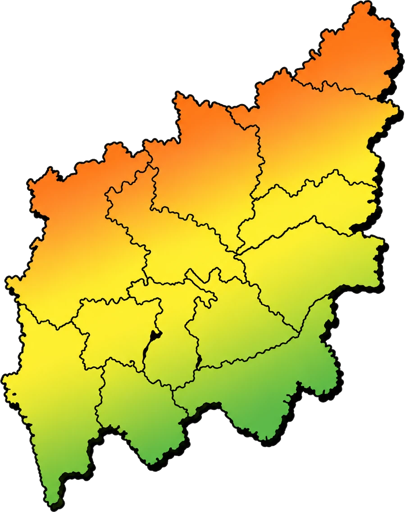
ಪ್ರತಿಯೊಬ್ಬ ಉತ್ತರ-ಕರ್ನಾಟಕದ ಓದುಗ ನೆನಪಿನಲ್ಲಿಡಬೇಕಾದ ಭಾಗ ಇಲ್ಲಿದೆ: ಆ ಹಿಂದುಳಿದಿಕೆ ಮುಂದೆ 371(J) ಸಿಕ್ಕಿದ ಆರು ಜಿಲ್ಲೆಗಳಿಗೆ ಮಾತ್ರ ಸೀಮಿತವಾಗಿ ನಿಲ್ಲಲಿಲ್ಲ. ನಂಜುಂಡಪ್ಪ ಅವರ ಆ ನಿರ್ಲಕ್ಷ್ಯದ ನಕ್ಷೆ ಉತ್ತರ ಕರ್ನಾಟಕದಾದ್ಯಂತ ನೇರವಾಗಿ ಸಾಗಿ, ಕಿತ್ತೂರು ಪಟ್ಟಿಯ ಒಳಗೂ ಪ್ರವೇಶಿಸುತ್ತದೆ.
ಕಿತ್ತೂರು ಕರ್ನಾಟಕ ಎಂಬುದು ಇಂದು ನಮ್ಮ ಪ್ರದೇಶ ಹೊತ್ತಿರುವ ಹೆಸರು. ಕರ್ನಾಟಕ ಸಚಿವ ಸಂಪುಟ 2021ರ ನವೆಂಬರ್ನಲ್ಲಿ ಹಳೆಯ "ಮುಂಬೈ-ಕರ್ನಾಟಕ" ಪ್ರದೇಶವನ್ನು ಮರುನಾಮಕರಣ ಮಾಡಿ, 1857ರ ದಂಗೆಗೆ ದಶಕಗಳಷ್ಟು ಮೊದಲೇ ಬ್ರಿಟಿಷರ ವಿರುದ್ಧ ಶಸ್ತ್ರ ಎತ್ತಿದ ಕಿತ್ತೂರಿನ ರಾಣಿ ಚೆನ್ನಮ್ಮ ಅವರ ಹೆಸರಿಡಲಾಯಿತು. ಈ ಪ್ರದೇಶ ಏಳು ಜಿಲ್ಲೆಗಳನ್ನು ಒಳಗೊಂಡಿದೆ: ಬೆಳಗಾವಿ, ಧಾರವಾಡ, ವಿಜಯಪುರ, ಬಾಗಲಕೋಟೆ, ಗದಗ, ಹಾವೇರಿ ಮತ್ತು ಉತ್ತರ ಕನ್ನಡ.
ಈ ಜಿಲ್ಲೆಗಳು ಅದೇ ಕಥೆಯನ್ನು ಹಂಚಿಕೊಂಡಿವೆ — ಕೃಷಿ ಸಂಕಷ್ಟ, ತೆಳುವಾದ ಕೈಗಾರಿಕೆ, ಕಾಲೇಜು ಸೀಟುಗಳಿಗಾಗಿ ದೂರ ಪ್ರಯಾಣ ಮಾಡುವ ವಿದ್ಯಾರ್ಥಿಗಳು, ಇಲ್ಲಿ ಉದ್ಯೋಗ ಇಲ್ಲದ ಕಾರಣ ಬೆಂಗಳೂರು ಮತ್ತು ಪುಣೆಗೆ ಗುಳೆ ಹೋಗುವ ಯುವಜನ. ಆದರೂ ಅವು 371(J)ಯ ರಕ್ಷಣೆಯ *ಹೊರಗೆ* ಉಳಿದಿವೆ. ಯಾದಗಿರಿಯ ವಿದ್ಯಾರ್ಥಿಗೆ ಸಂವಿಧಾನಿಕ ಮೀಸಲಾತಿ ಇದೆ. ಅದೇ ರೀತಿಯ ಸವಾಲುಗಳನ್ನು ಎದುರಿಸುತ್ತಿರುವ ಬಾಗಲಕೋಟೆಯ ವಿದ್ಯಾರ್ಥಿಗೆ ಇಲ್ಲ. ಅದೇ ಆ ಅಂತರ.
ಪಕ್ಷದ ನಿಲುವು
ಕಿತ್ತೂರು ಕಲ್ಯಾಣ ಕರ್ನಾಟಕ ಸೇನೆ ಎದುರಿಸಲೆಂದು ಅಸ್ತಿತ್ವಕ್ಕೆ ಬಂದಿರುವ ಸ್ವರೂಪದ ಅನ್ಯಾಯ ನಿಖರವಾಗಿ ಇದೇ ಆಗಿದೆ. ನಾವು ದಯೆಯನ್ನು ಕೇಳುತ್ತಿಲ್ಲ. ಕಲ್ಯಾಣ ಜಿಲ್ಲೆಗಳಿಗಾಗಿ ದೇಶವೇ ಈಗಾಗಲೇ ಒಪ್ಪಿಕೊಂಡ ಅದೇ ಸಂವಿಧಾನಿಕ ತರ್ಕವನ್ನು — ನಂಜುಂಡಪ್ಪ ಅಂಕಿಅಂಶಗಳು ಸಮಾನವಾಗಿ ಹಿಂದುಳಿದಿವೆ ಎಂದು ತೋರಿಸುತ್ತಿರುವ ಕಿತ್ತೂರು ಜಿಲ್ಲೆಗಳಿಗೆ — ಪ್ರಾಮಾಣಿಕವಾಗಿ ಮತ್ತು ಸಂಪೂರ್ಣವಾಗಿ ವಿಸ್ತರಿಸಬೇಕೆಂದು ಮಾತ್ರ ನಾವು ಕೇಳುತ್ತಿದ್ದೇವೆ.
ಎರಡು ಪ್ರಾಮಾಣಿಕ ಎಚ್ಚರಿಕೆಯ ಮಾತುಗಳು. ಮೊದಲನೆಯದು, 371(J)ಯನ್ನು ಒಂದು ಹೊಸ ಪ್ರದೇಶಕ್ಕೆ ವಿಸ್ತರಿಸುವುದು ಸಣ್ಣ ಹೆಜ್ಜೆಯಲ್ಲ — ಇದಕ್ಕೆ ಕೇವಲ ಸಂಪುಟ ಆದೇಶ ಸಾಲದು, ಪ್ರಸ್ತುತ ಹಿಂದುಳಿದಿಕೆಯ ಮೌಲ್ಯಮಾಪನದ ಬೆಂಬಲ ಹೊಂದಿರುವ ಒಂದು ಹೊಸ ಸಂವಿಧಾನ ತಿದ್ದುಪಡಿ ಬೇಕು. ಎರಡನೆಯದು, 371(J) ಈಗಾಗಲೇ ಇರುವ ಕಡೆ ಕೂಡ ಅನುಷ್ಠಾನ ಅಸಮಾನವಾಗಿದೆ; ಕಲ್ಯಾಣ ಅಭಿವೃದ್ಧಿ ಮಂಡಳಿ ತನ್ನ ನಿಧಿಯನ್ನು ಸಾಕಷ್ಟು ಬಳಸದೆ ಉಳಿಸಿಕೊಂಡಿದೆ ಎಂದು ವಿಮರ್ಶಕರು ಪದೇ ಪದೇ ಹೇಳಿದ್ದಾರೆ. ಆದ್ದರಿಂದ ನಮ್ಮ ಬೇಡಿಕೆ ಎರಡು ಪಟ್ಟು: ರಕ್ಷಣೆಯನ್ನು ಗೆಲ್ಲುವುದು, ಮತ್ತು ಅದು ನಿಜವಾಗಿ ಕೆಲಸ ಮಾಡುವಂತೆ ಮಾಡುವುದು.
ಸಾಮಾನ್ಯ ಉತ್ತರ-ಕರ್ನಾಟಕದ ಓದುಗನಿಗೆ ಸಂದೇಶ ಸರಳ. ಸಂವಿಧಾನವನ್ನು ಪ್ರಾದೇಶಿಕ ನ್ಯಾಯದ ಸಾಧನವಾಗಿ ಬಳಸಬಹುದು ಎಂಬುದನ್ನು 371(J) ಸಾಬೀತುಪಡಿಸಿತು. ಅದೇ ಸಾಧನ ನಮಗೂ ಸಲ್ಲಬೇಕು — ಮತ್ತು ಅದನ್ನು ಗೆಲ್ಲಲು ನಾವು ಸಂಕಲ್ಪಿಸಿದ್ದೇವೆ.
*ಸೇರಿಸಬೇಕಾದ ಅಥವಾ ಸರಿಪಡಿಸಬೇಕಾದ ಸಂಗತಿ ಇದೆಯೇ? ನಮಗೆ ಬರೆಯಿರಿ. ಈ ವಿವರಣೆ ಕೇವಲ ಪರಿಶೀಲಿಸಬಹುದಾದ ಸಾರ್ವಜನಿಕ ಮೂಲಗಳ ಮೇಲೆ ಆಧಾರಿತವಾಗಿದೆ, ಅವುಗಳನ್ನು ಕೆಳಗೆ ಪಟ್ಟಿ ಮಾಡಲಾಗಿದೆ.*
---
ಟ್ಯಾಗ್ಗಳು: #ಅನುಚ್ಛೇದ371J #ಕಿತ್ತೂರು_ಕರ್ನಾಟಕ #ಉತ್ತರ_ಕರ್ನಾಟಕ #ಪ್ರಾದೇಶಿಕ_ನ್ಯಾಯ #ಕಲ್ಯಾಣ_ಕರ್ನಾಟಕ #ಮೀಸಲಾತಿ_ನೀತಿ #ನಂಜುಂಡಪ್ಪ_ಸಮಿತಿ #ಸಂವಿಧಾನ_ತಿದ್ದುಪಡಿ #ಅಭಿವೃದ್ಧಿ_ಮಂಡಳಿ #ಬೆಳಗಾವಿ
---
ಮೂಲಗಳು
- https://en.wikipedia.org/wiki/Article_371J_of_the_Constitution_of_India
- https://prsindia.org/billtrack/the-constitution-118th-amendment-bill-2012-insertion-of-new-article-371j
- https://www.constitutionofindia.net/articles/371j-special-provisions-with-respect-to-the-state-of-karnataka/
- https://www.thenewsminute.com/karnataka/mumbai-karnataka-region-be-renamed-kittur-karnataka-decides-cabinet-157382
- https://english.varthabharati.in/karnataka/cabinet-decides-to-rechristen-mumbai-karnataka-region-comprising-7-districts-as-kittur-karnataka
- https://www.deccanherald.com/india/hyderabad-ktaka-region-gets-special-2380600
- https://zenodo.org/records/2566211
- https://www.deccanherald.com/opinion/kalyana-karnataka-suffers-as-regional-development-board-falters-1210341.html
What Article 371(J) actually is
If you live in Belagavi, Dharwad or Vijayapura, you have probably heard the phrase "371(J)" in newspapers and on TV — usually when someone from Kalaburagi or Raichur talks about reserved seats or special funds. It is worth understanding clearly, because it sits at the heart of the regional-justice fight our party was founded to win.
Article 371(J) is a special provision in the Constitution of India. It was inserted by the Constitution (Ninety-eighth Amendment) Act, 2012, and came into force on 1 January 2013. It applies to one part of our own state — the Kalyana-Karnataka region (called Hyderabad-Karnataka until it was officially renamed in 2019). That region is made up of six districts: Kalaburagi, Bidar, Yadgir, Raichur, Koppal and Ballari.
The provision does three concrete things for those six districts:
- A separate development board — the Kalyana-Karnataka Region Development Board — to plan and monitor projects specifically for that region.
- Equitable allocation of funds, with the Governor empowered to ensure the region gets its fair share of development money rather than the leftovers.
- Reservation — a set share of seats in local educational and vocational-training institutions, and in state government jobs, for people who belong to the region.
In plain terms: it is a constitutional shield. It stops the region's children from competing on uneven ground with candidates from already-developed districts, and it ring-fences money so that funds meant for the region cannot quietly drift elsewhere.
Why the region needed it — and why ours does too
The Kalyana-Karnataka districts were once part of the Nizam's Hyderabad state and were left badly behind after integration. That backwardness was not a feeling; it was measured. The High-Power Committee on Redressal of Regional Imbalances, chaired by Dr. D. M. Nanjundappa, studied all 175 taluks of Karnataka using 35 development indicators and, in its 2002 report, classified 114 taluks as backward — including 39 "most backward," 40 "more backward" and 35 "backward." It recommended a ₹31,000-crore Special Development Plan over eight years.
Here is the part every North-Karnataka reader should remember: that backwardness did not stop at the six districts later given 371(J). The Nanjundappa map of neglect runs straight across North Karnataka, into the Kittur belt as well.
Kittur Karnataka is the name our region carries today. The Karnataka Cabinet rechristened the old "Mumbai-Karnataka" region in November 2021, naming it after Rani Chennamma of Kittur, who raised arms against the British decades before the 1857 revolt. The region covers seven districts: Belagavi, Dharwad, Vijayapura, Bagalkote, Gadag, Haveri and Uttara Kannada.
These districts share the same story — agrarian distress, thin industry, students travelling far for college seats, young people leaving for Bengaluru and Pune because the jobs are not here. Yet they sit *outside* the protection of 371(J). A student in Yadgir has a constitutional reservation. A student in Bagalkote, facing similar odds, does not. That is the gap.
The party's stand
This is exactly the kind of structural unfairness the Kittur Kalyan Karnataka Sena exists to confront. We are not asking for charity. We are asking that the same constitutional logic the nation already accepted for the Kalyana districts be extended — honestly and fully — to the Kittur districts that the Nanjundappa data shows are equally backward.
Two honest caveats. First, extending 371(J) to a new region is not a small step — it requires a fresh constitutional amendment, backed by a current backwardness assessment, not a cabinet order alone. Second, even where 371(J) already exists, implementation has been uneven; commentators have repeatedly noted that the Kalyana development board has underspent its funds. So our demand is twofold: win the protection, and make it actually work.
For the common North-Karnataka reader, the message is simple. 371(J) proved that the Constitution can be used as a tool of regional justice. We are owed that same tool — and we intend to win it.
*Have a fact to add or correct? Write to us. This explainer is built only on verifiable public sources, listed below.*
ನಮ್ಮ ಮಾತು ನಂಬಬೇಡಿ, ಆಧಾರ ನೋಡಿDon't take our word — see the proof (8)
- https://en.wikipedia.org/wiki/Article_371J_of_the_Constitution_of_India
- https://prsindia.org/billtrack/the-constitution-118th-amendment-bill-2012-insertion-of-new-article-371j
- https://www.constitutionofindia.net/articles/371j-special-provisions-with-respect-to-the-state-of-karnataka/
- https://www.thenewsminute.com/karnataka/mumbai-karnataka-region-be-renamed-kittur-karnataka-decides-cabinet-157382
- https://english.varthabharati.in/karnataka/cabinet-decides-to-rechristen-mumbai-karnataka-region-comprising-7-districts-as-kittur-karnataka
- https://www.deccanherald.com/india/hyderabad-ktaka-region-gets-special-2380600
- https://zenodo.org/records/2566211
- https://www.deccanherald.com/opinion/kalyana-karnataka-suffers-as-regional-development-board-falters-1210341.html